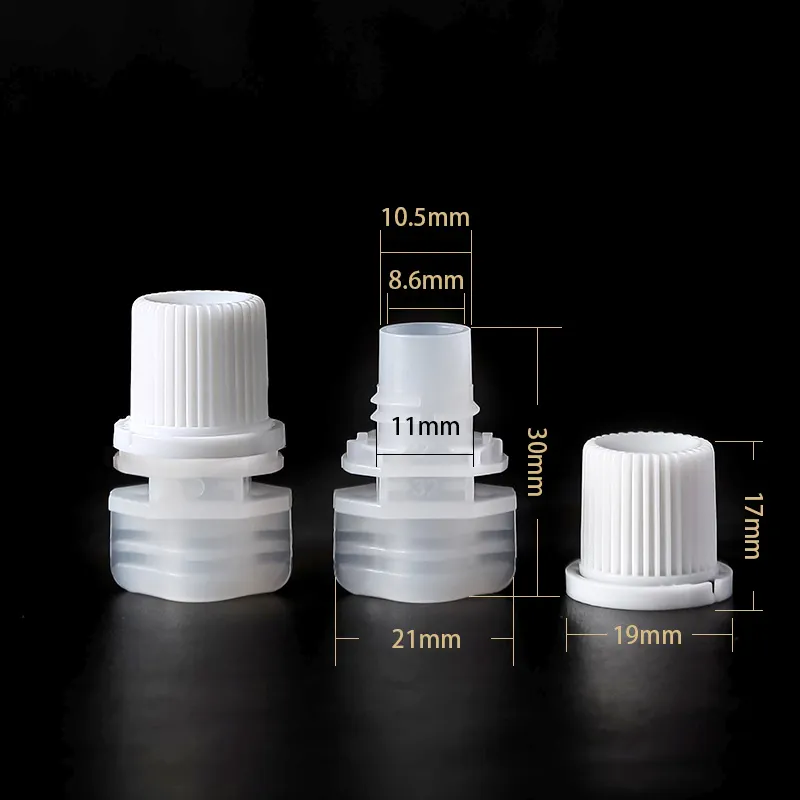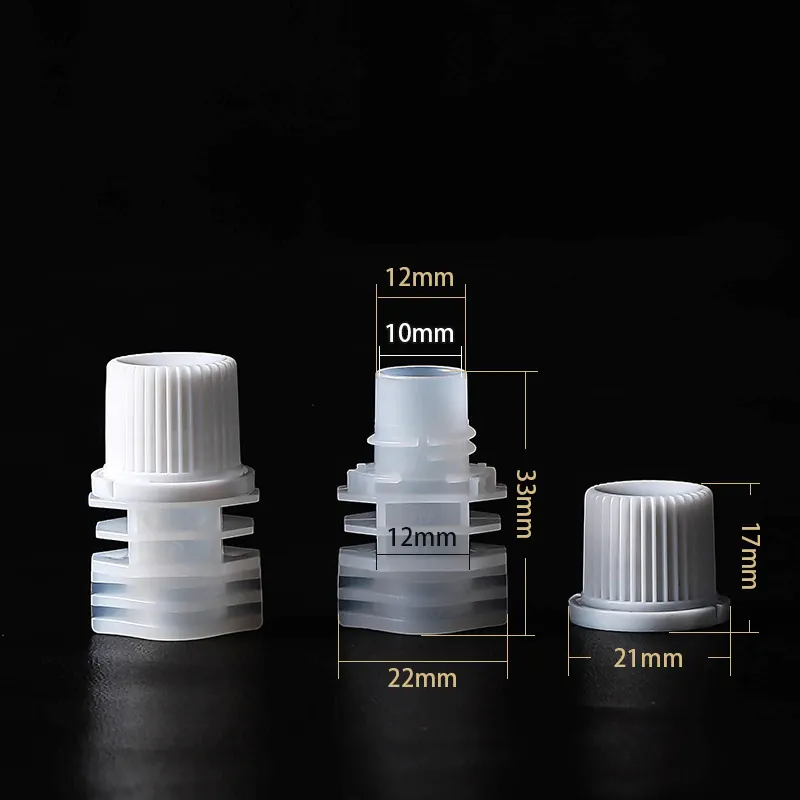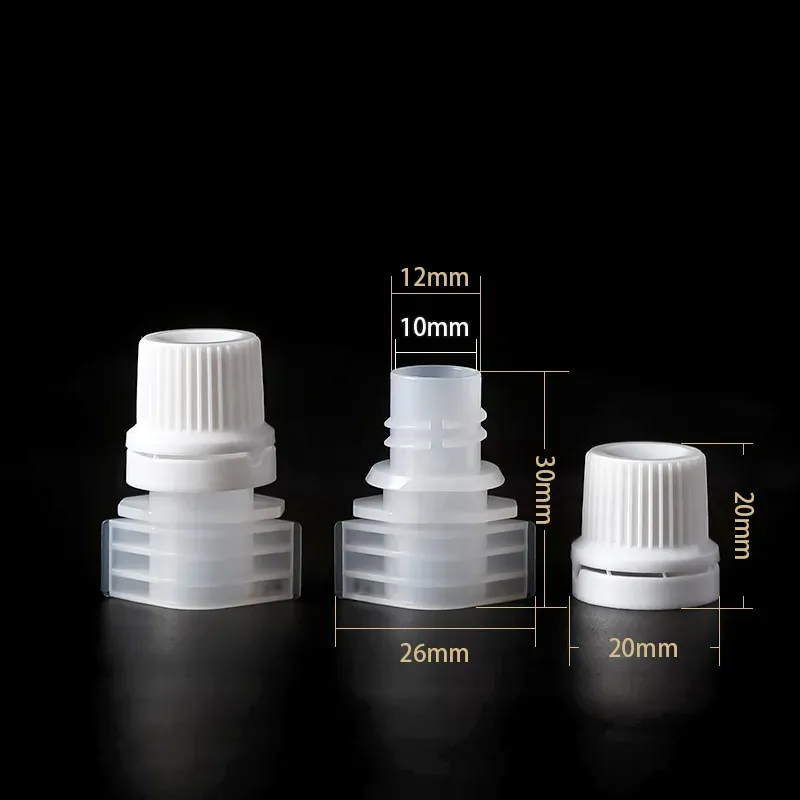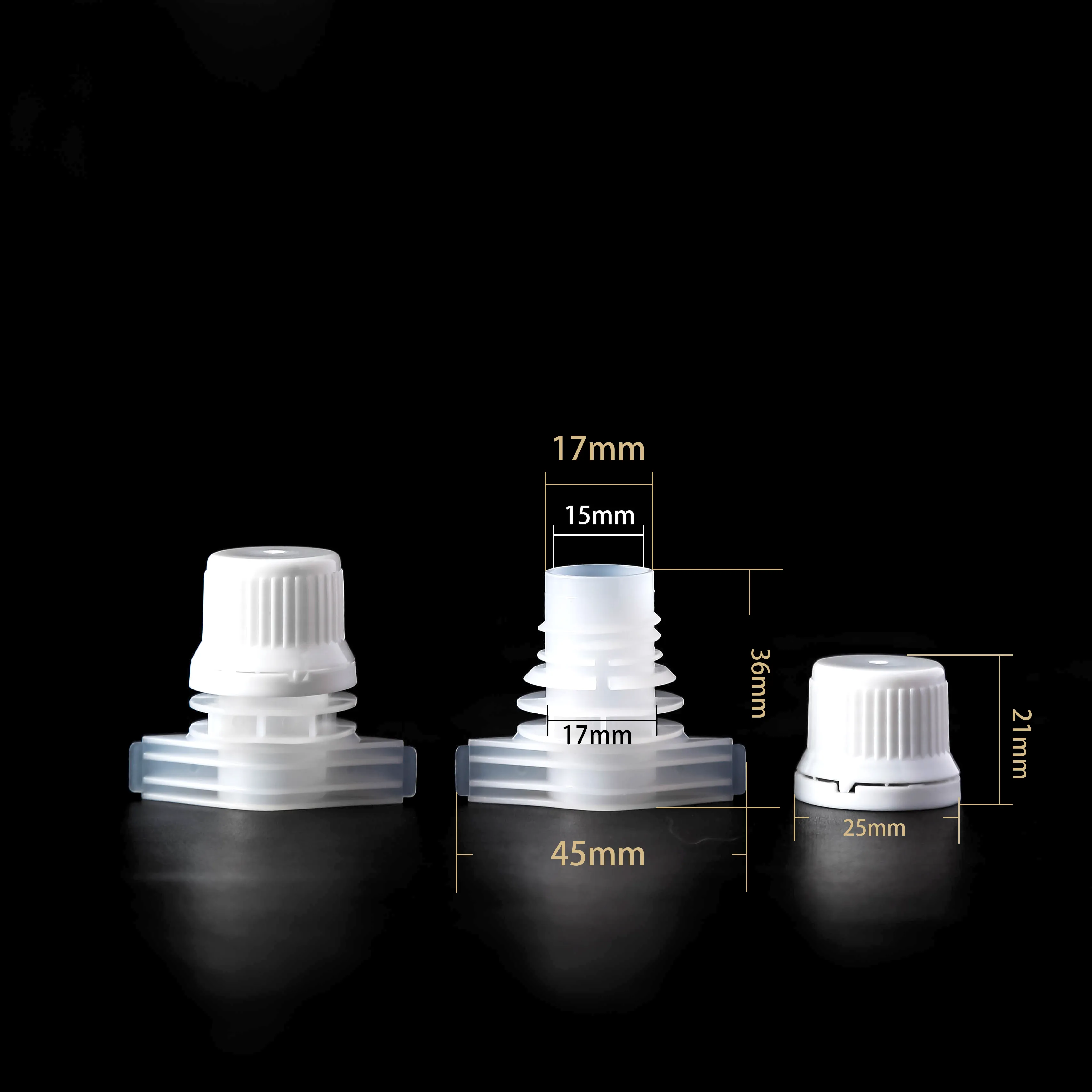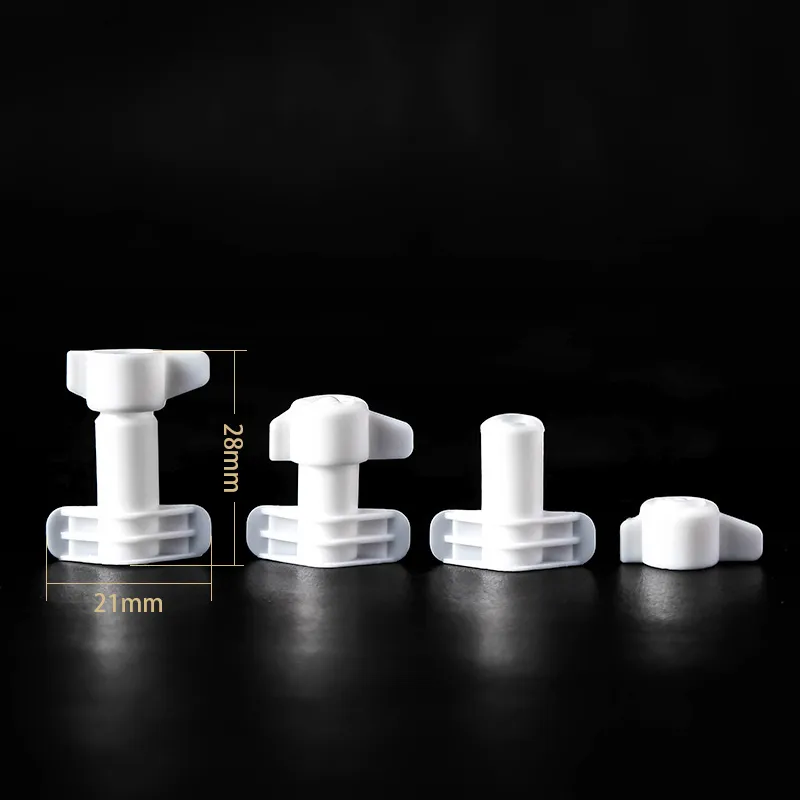







When evaluating spout caps for flexible packaging, many buyers focus on material selection, cap diameter, or production costs. However, one of the most critical yet overlooked factors is thread design.
The thread design of a spout cap directly affects sealing performance, opening convenience, transportation reliability, and overall consumer experience. A poorly matched thread is one of the most common factors that lead to leakage, excessive opening torque, product spoilage, or customer complaints. Conversely, the right thread design can improve package functionality while supporting efficient manufacturing and filling operations.
As an experienced spout cap manufacturer, we’ll explain the major spout cap thread designs, compare their performance characteristics, and provide practical recommendations for different packaging applications.
What Is a Spout Cap Thread Design?
A spout cap thread is the helical structure that allows the cap to engage with the spout neck, creating a secure closure.
Although thread designs may appear similar at first glance, subtle differences in geometry can significantly influence performance.
The Role of Threads in Spout Cap Closures
Thread systems perform several critical functions:
- Securely locking the cap onto the spout
- Maintaining sealing pressure
- Preventing accidental opening
- Supporting repeated opening and reclosing
- Providing a smooth consumer experience
The effectiveness of these functions largely depends on thread design.
Major Spout Cap Thread Design Types
Single-Start Thread
Single-start threads feature one continuous thread path around the closure.
Advantages
- Simple design
- Lower tooling complexity
- Strong sealing reliability
- Cost-effective manufacturing
Limitations
- Requires more turns to open and close
- Slower consumer operation
Typical Applications
- Drinking water pouches
- Juice packaging
- Basic food products
Multi-Start Thread
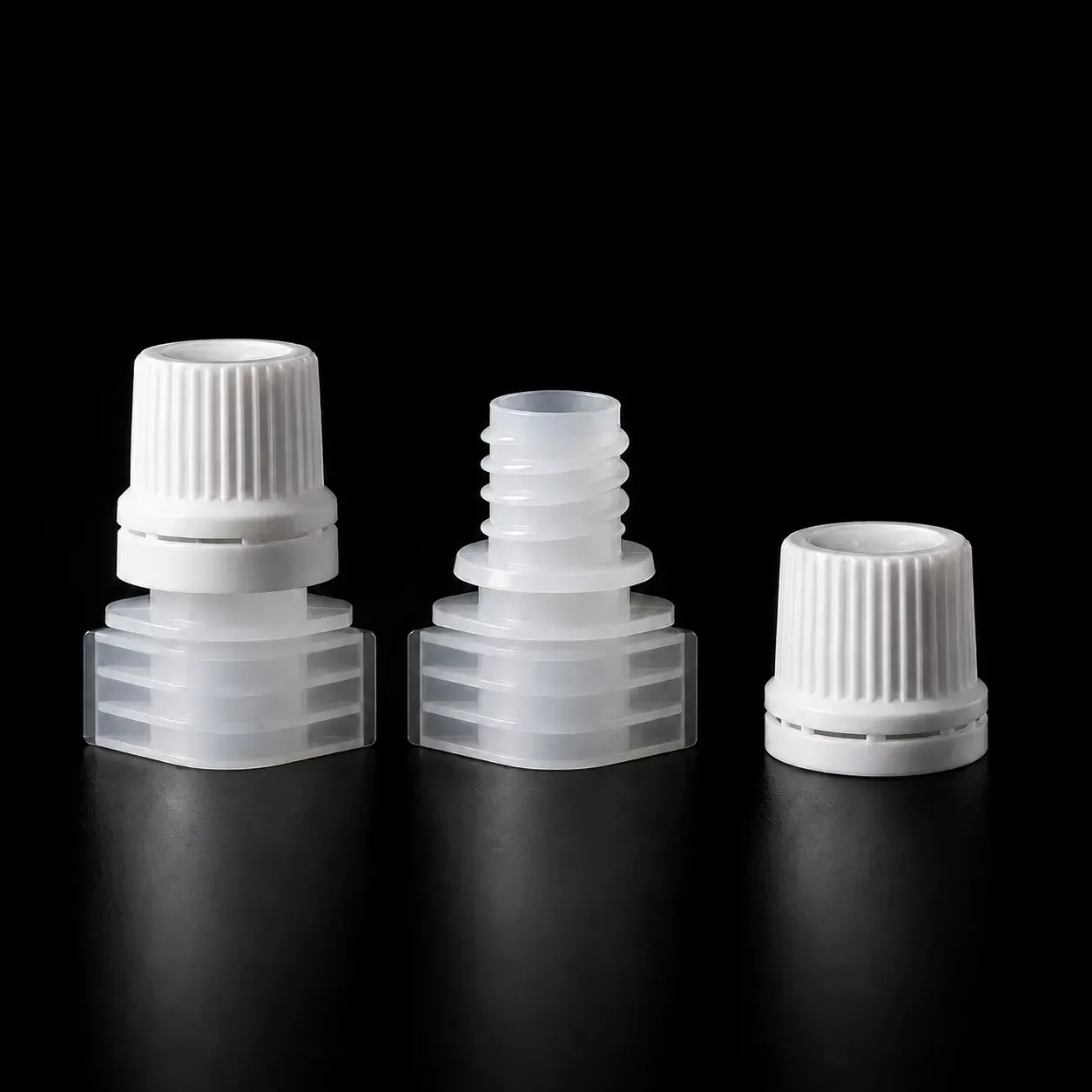
Multi-start threads incorporate two or more thread paths.
Advantages
- Faster opening and closing
- Reduced rotation required
- Enhanced user convenience
Limitations
- More complex mold design
- Higher manufacturing precision requirements
Typical Applications
- Premium beverages
- Personal care products
- High-frequency-use packaging
Continuous Thread (CT) Design
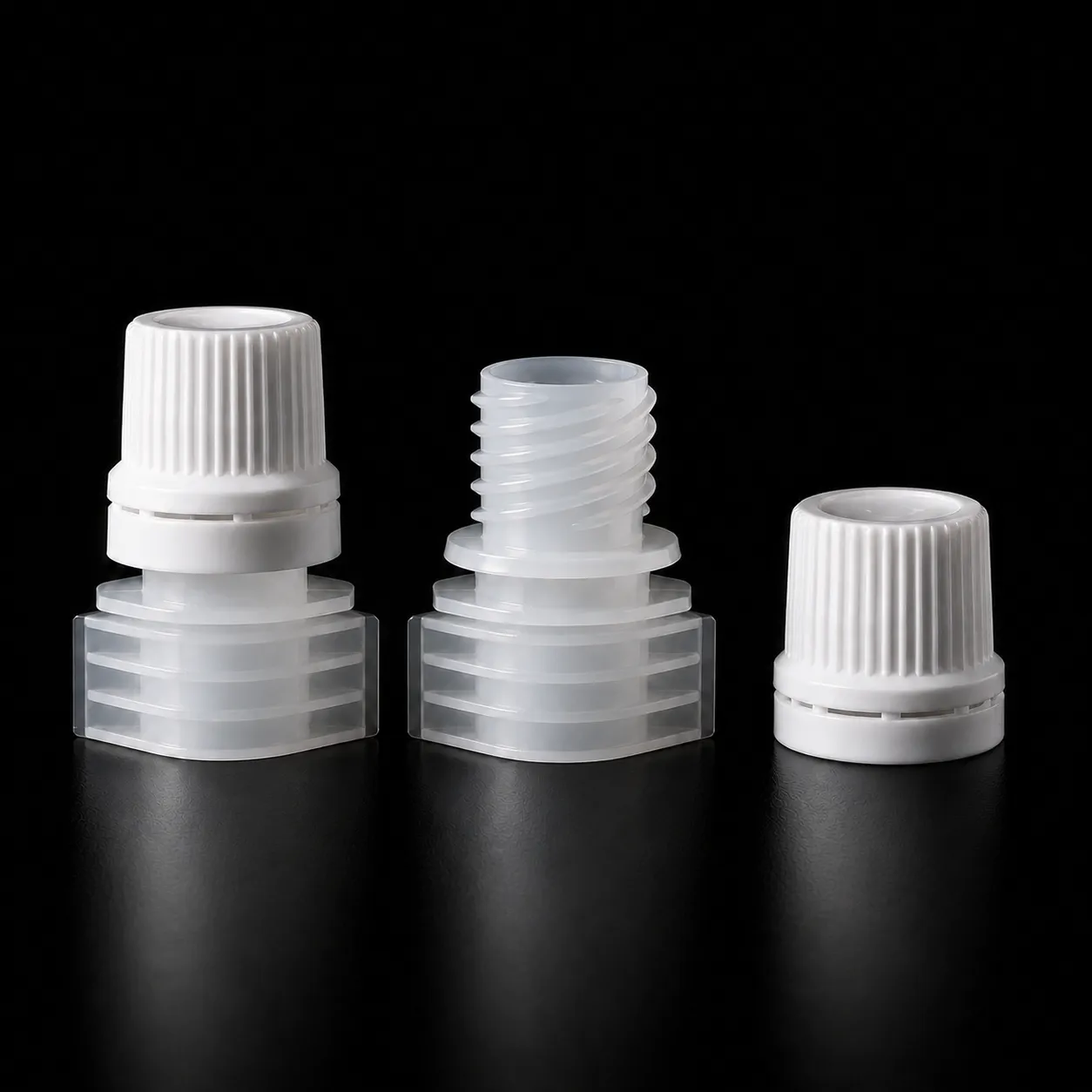
Continuous thread designs are among the most widely used closure systems.
Advantages
- Reliable performance
- Easy manufacturing
- Broad compatibility
Limitations
- May not be ideal for specialized pressure requirements
Typical Applications
- General flexible packaging
- Consumer refill pouches
Buttress Thread Design
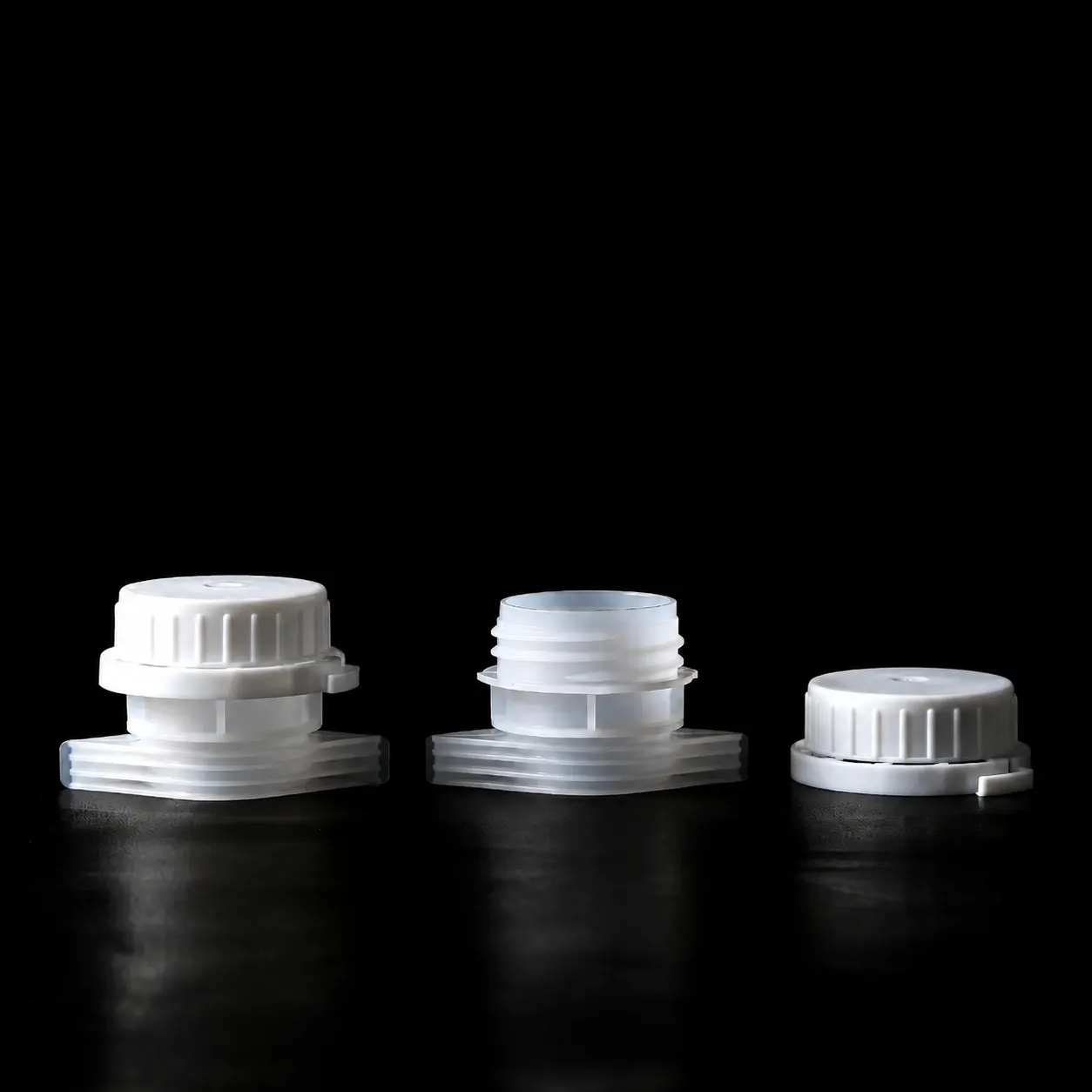
Buttress threads feature asymmetrical profiles optimized for load-bearing performance.
Advantages
- Excellent resistance to internal pressure
- Enhanced leak prevention
- Improved mechanical strength
Limitations
- More sophisticated tooling
- Higher production costs
Typical Applications
- Chemical products
- Industrial liquids
- Heavy-duty refill packaging
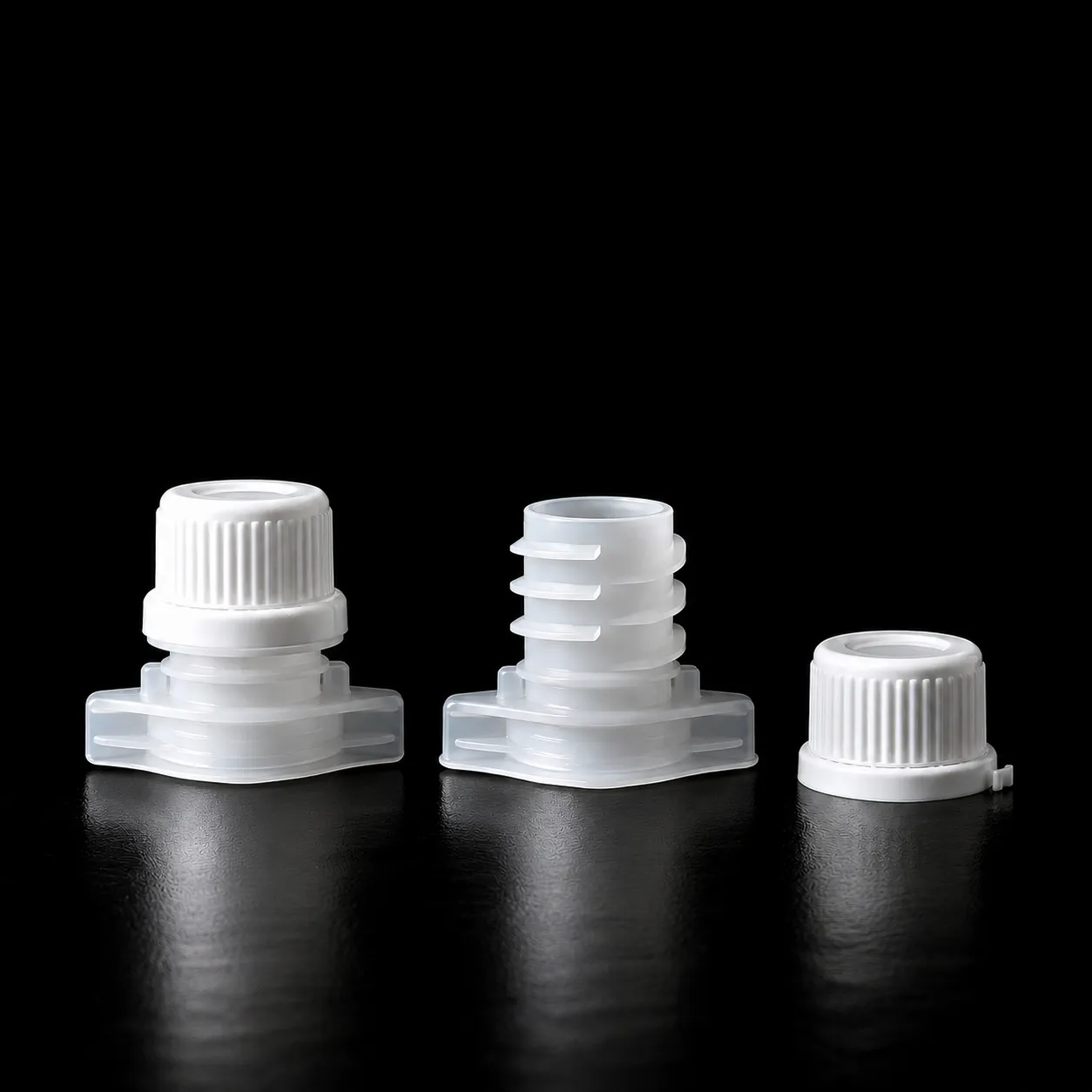
Specialty Custom Thread Designs
Custom thread designs are engineered for unique applications.
Examples include:
- Tamper-evident systems
- Child-resistant closures
- Brand-specific packaging formats
- Proprietary dispensing systems
Many global brands work with a custom spout cap manufacturer to develop exclusive closure systems that differentiate their products in competitive markets.
Comparing Spout Cap Thread Types Table
| Thread Type | Sealing Performance | Opening Convenience | Durability | Manufacturing Cost |
|---|---|---|---|---|
| Single-Start | High | Moderate | High | Low |
| Multi-Start | High | Excellent | High | Medium |
| Continuous Thread | High | Good | Good | Low |
| Buttress | Excellent | Good | Excellent | Higher |
| Custom Design | Application-Specific | Application-Specific | Application-Specific | Highest |
The ideal choice depends on the product, filling process, transportation conditions, and customer expectations.
How Thread Design Impacts Pouch Packaging Performance
Leak Resistance During Transportation
Flexible pouches often experience:
- Compression loads
- Vibration
- Temperature fluctuations
- Pressure changes during shipping
Thread designs with stronger engagement typically provide better resistance against accidental loosening.
For international shipments, thread selection becomes particularly important because leakage incidents can affect entire container loads.
Product Shelf Life Protection
Poor thread engagement can compromise seal integrity, allowing:
- Moisture intrusion
- Oxygen ingress
- Product contamination
For food, beverage, and cosmetic products, proper closure performance directly contributes to shelf-life stability.
Consumer Satisfaction and Ease of Use
Consumers expect packaging to be:
- Easy to open
- Easy to reseal
- Comfortable to handle
A thread design requiring excessive rotation or force may negatively affect user experience.
Brand Perception and Packaging Quality
Consumers often associate closure performance with product quality.
A smooth-opening cap with precise thread engagement creates a more premium impression than a closure that feels rough, loose, or inconsistent.
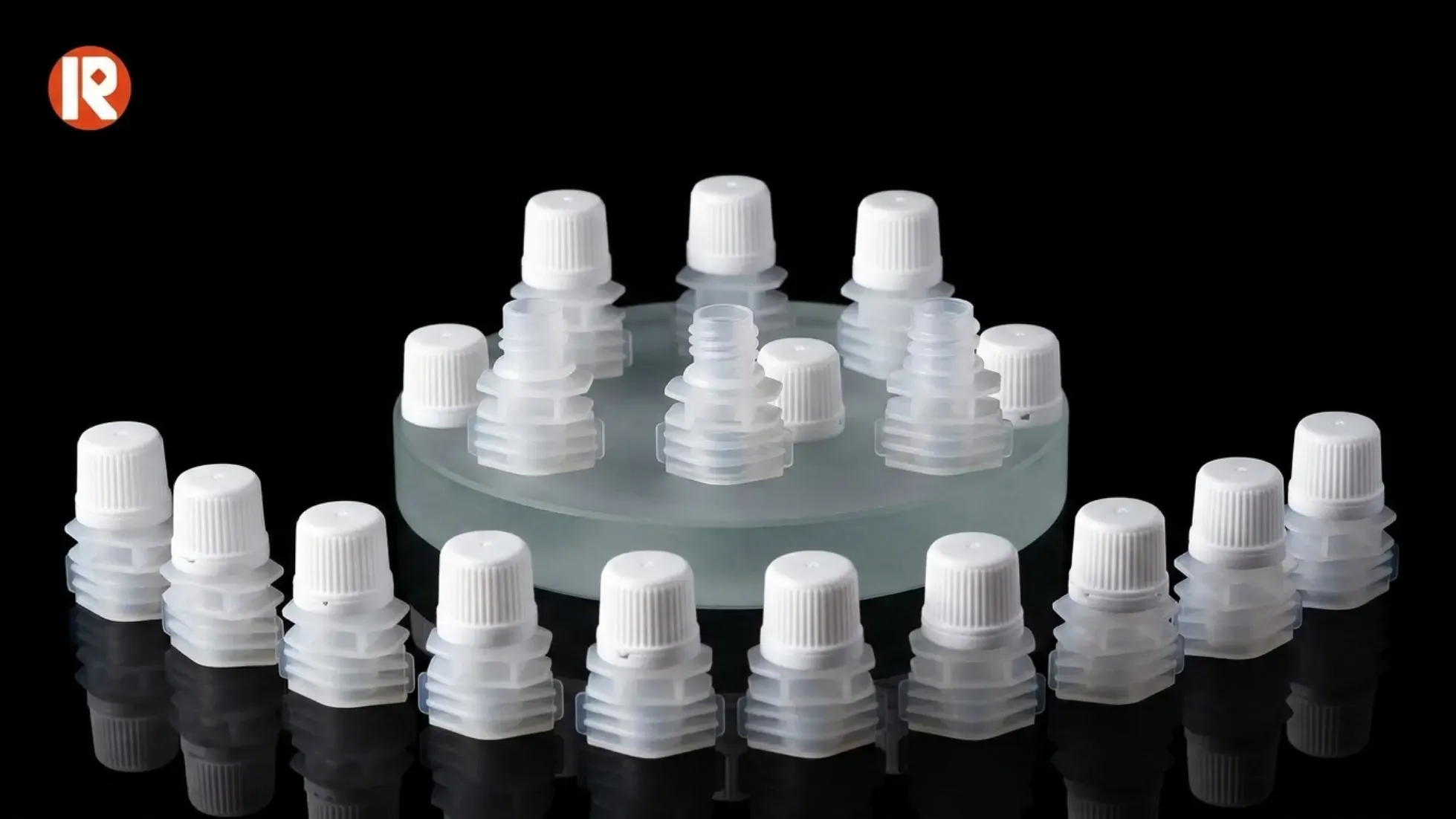
Recommended Thread Types by Industry/Application
Selecting the right thread type should always begin with the intended application rather than manufacturing cost alone. Different industries place different demands on packaging closures, including sealing performance, chemical resistance, ease of use, transportation durability, and safety compliance. Understanding these requirements helps buyers choose a thread design that delivers reliable performance throughout the product lifecycle.
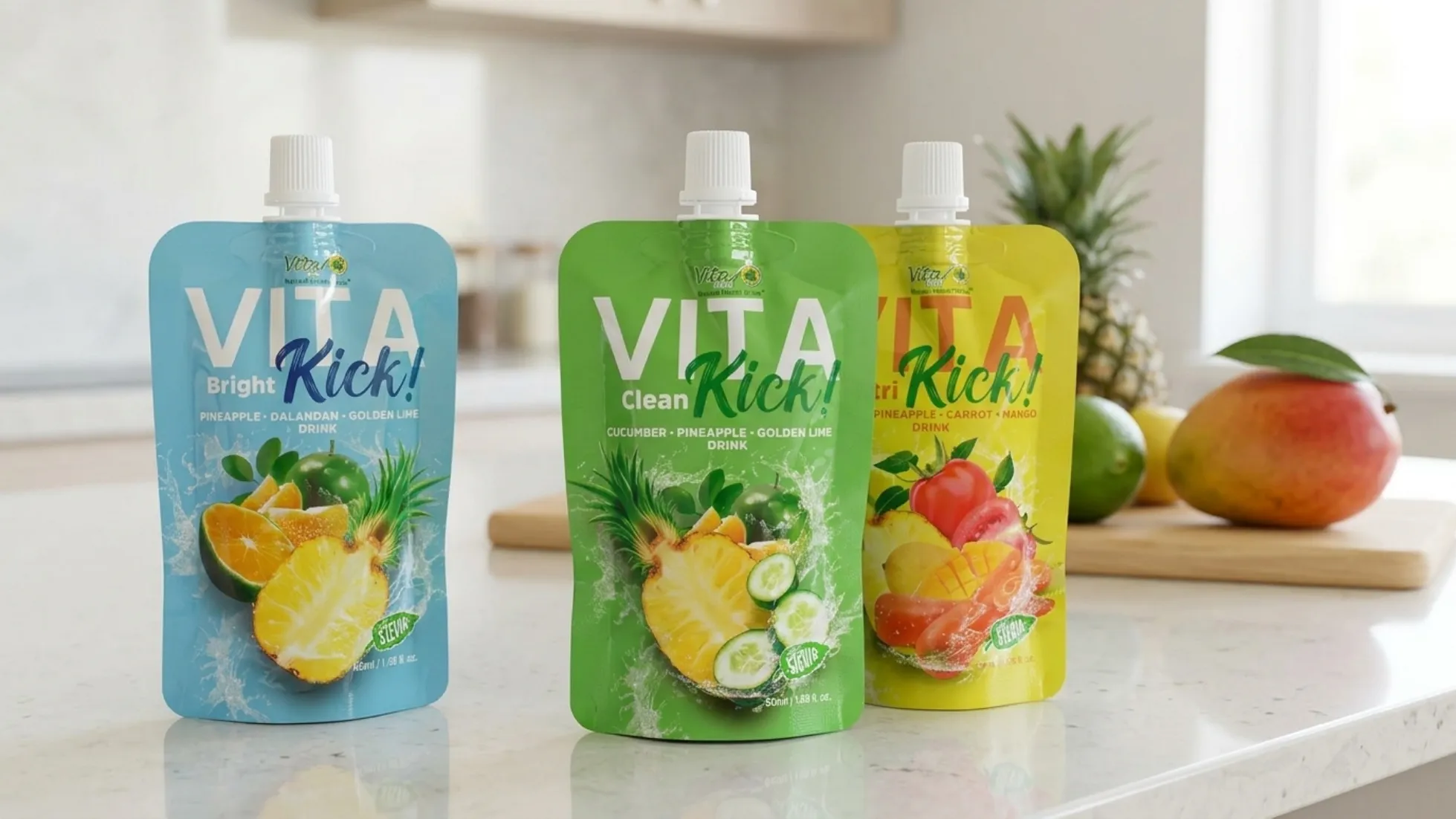
Food & Beverage Packaging
Application Scenarios
- Juice pouches
- Dairy products
- Purees
- Condiments
- Sauces
Recommended Thread Types
- Single-start threads for low-viscosity beverages such as water and juice
- Multi-start threads for thicker products such as sauces, baby food, and functional beverages
Food and beverage products require closures that provide dependable sealing while remaining convenient for consumers to open and reclose.
Single-start threads offer reliable sealing performance, proven functionality, and cost-effective production.
For thicker products, multi-start threads allow the cap to open and close with fewer rotations, improving user convenience while maintaining strong leak protection.
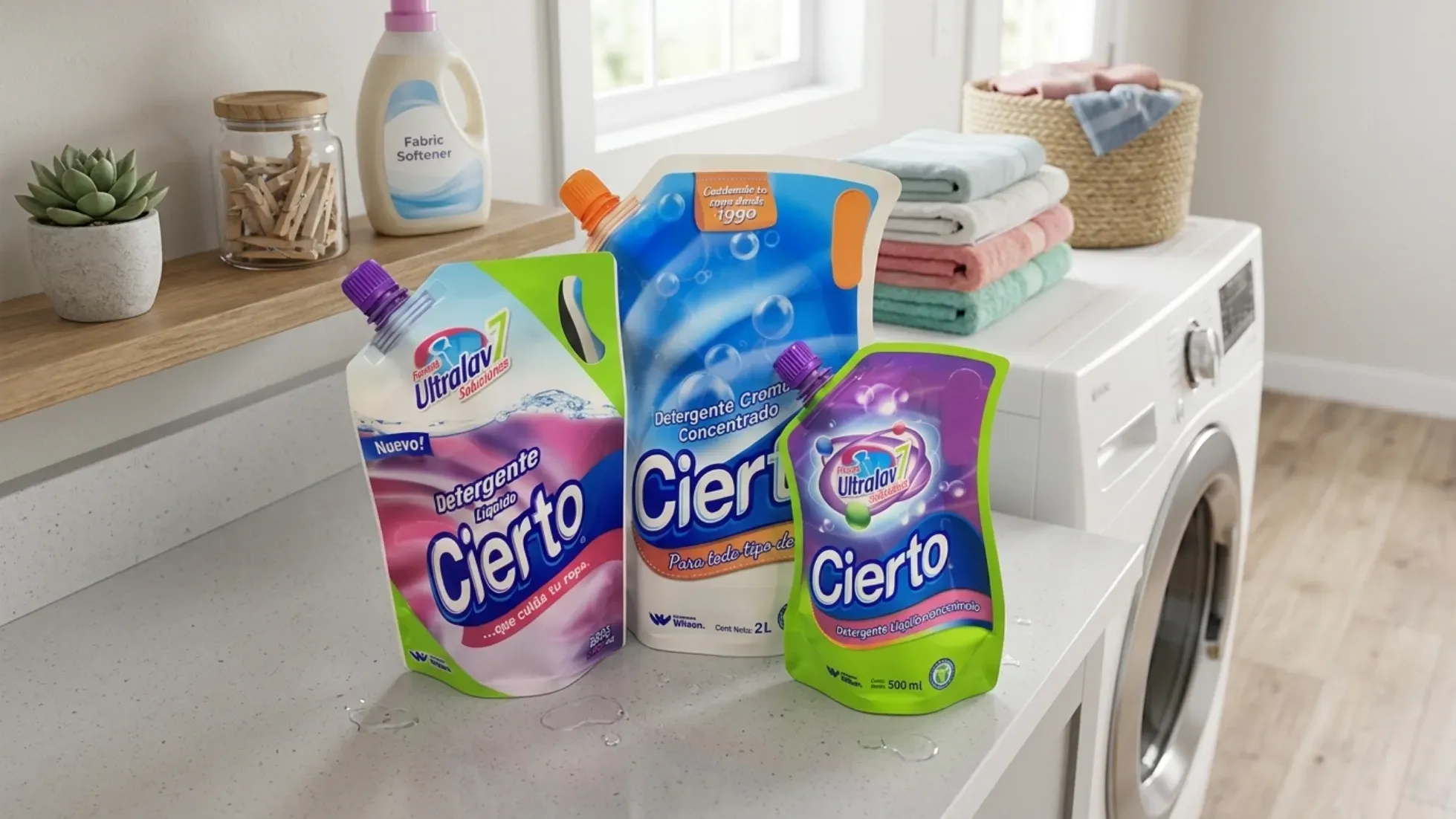
Household & Cleaning Products
Application Scenarios
- Liquid detergents
- Fabric softeners
- Surface cleaners
- Refill pouches
Recommended Thread Types
- Buttress threads for chemical resistance and high-pressure sealing
Household and cleaning products often face demanding storage and transportation conditions and may contain chemical formulations that require enhanced closure performance.
Buttress threads provide excellent pressure resistance, strong sealing capability, and improved resistance to accidental loosening. Their robust structure helps prevent leakage during shipping and handling, making them particularly suitable for refill packaging and liquid cleaning products where closure integrity is critical.
Personal Care & Cosmetic Products
Application Scenarios
- Shampoo refill packs
- Conditioner pouches
- Body wash
- Liquid soap
- Lotion refills
Recommended Thread Types
- Multi-start threads for a smoother opening experience
- Specialty custom thread designs for premium packaging and brand differentiation
Personal care and cosmetic packaging place a strong emphasis on consumer experience and brand perception.
Multi-start threads create a smoother, more premium opening experience by reducing the number of turns required to remove the cap. Specialty custom thread designs can support unique dispensing functions, enhance product presentation, and strengthen brand identity, helping brands create closure systems that align with their user experience goals.

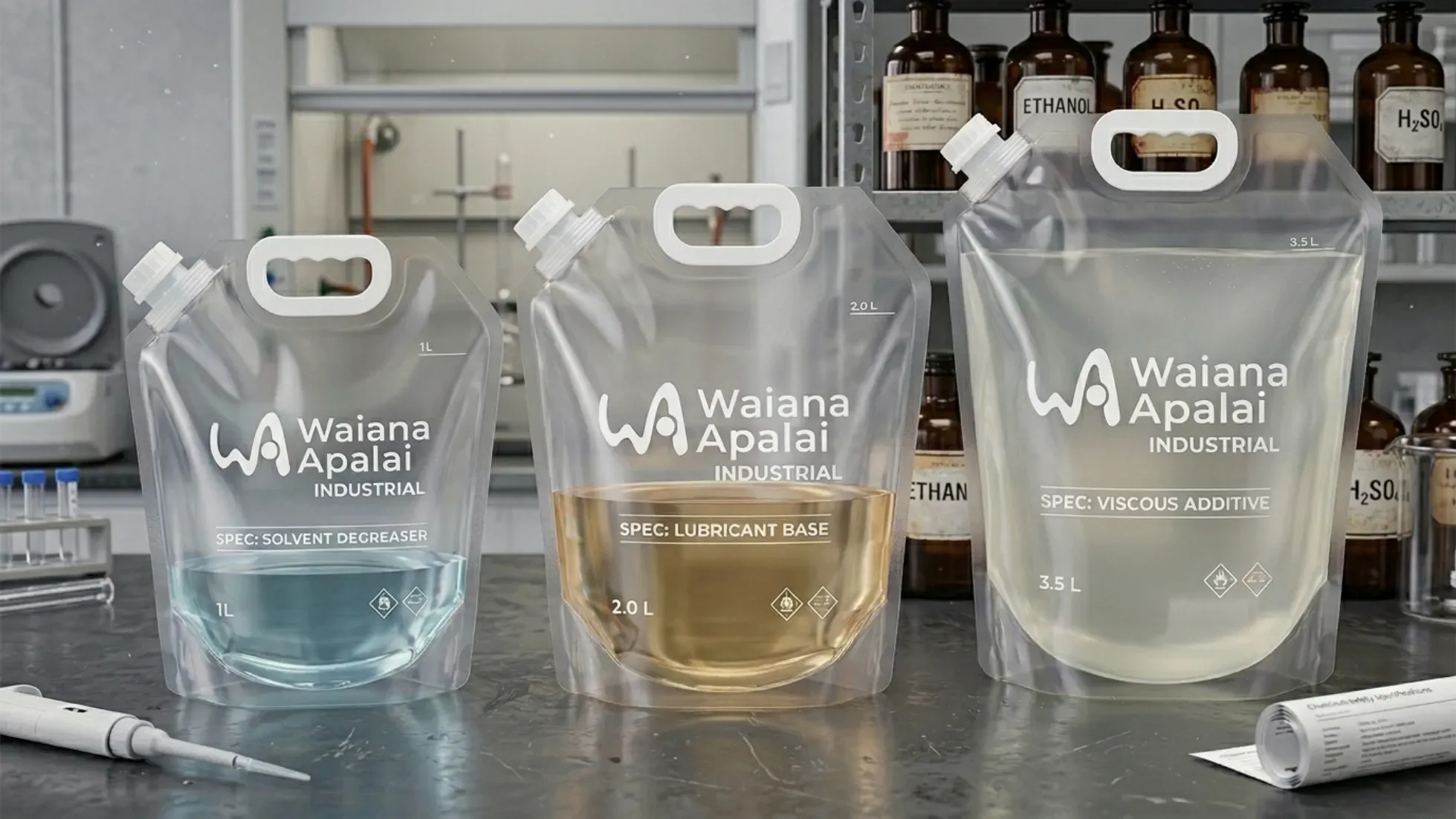
Industrial & Chemical Packaging
Application Scenarios
- Lubricants
- Agricultural chemicals
- Industrial additives
- High-viscosity liquids
- Hazardous fluids
Recommended Thread Types
- Buttress threads for high-strength sealing and pressure resistance
- Custom heavy-duty thread designs for specialized safety requirements
Industrial and chemical products demand the highest levels of sealing reliability and structural strength. Buttress threads offer superior load-bearing capacity, excellent sealing performance, and better pressure management under challenging conditions.
For products with specialized handling requirements or stricter safety standards, custom heavy-duty thread designs can provide additional protection against leakage and accidental opening.
Factors to Consider When Choosing Thread Type
Product Viscosity
Low-viscosity liquids generally require less specialized closure systems.
Higher-viscosity products often benefit from thread designs that improve opening convenience and dispensing control.
Transportation Conditions
Long-distance export shipments may justify stronger thread engagement and more robust sealing systems.
Filling Line Compatibility
Automated filling equipment must operate within specific torque ranges.
Thread design should support efficient cap application without compromising seal integrity.
Consumer Usage Frequency
Products opened daily may benefit from multi-start thread designs that minimize user effort.
Brand Positioning
Premium products often require premium closure experiences.
The cap is one of the few components consumers physically interact with every time they use the product.

Custom Spout Cap Thread Design: When Standard Closures Are Not Enough
Standard thread designs work well for many applications. However, some products require custom engineering.
Common reasons include:
- Unique viscosity requirements
- Specialized dispensing performance
- Premium branding objectives
- Proprietary packaging systems
- Enhanced safety requirements
Working with a custom spout cap manufacturer allows brands to optimize closure performance while creating differentiated packaging solutions.
Custom development typically includes:
- Concept design
- Engineering analysis
- Prototype production
- Leak testing
- Mold development
- Mass production validation
Why Manufacturing Expertise Matters in Thread Design
Even the best thread design can fail if manufacturing precision is inconsistent.
Reliable suppliers invest in:
- Precision mold engineering
- Tight dimensional tolerances
- Automated quality inspection
- High-volume production control
- Global supply chain management
An experienced wholesale spout cap supplier not only provides products but also helps customers select thread designs that align with performance requirements and packaging goals.
Conclusion
Spout cap thread design plays a critical role in pouch packaging performance, influencing sealing reliability, transportation safety, consumer convenience, and brand perception.
While single-start, multi-start, continuous, buttress, and custom thread designs each offer unique advantages, the best choice depends on the specific application.
Food and beverage products often benefit from single-start or multi-start threads. Household and chemical products typically require stronger buttress designs. Premium personal care brands may gain competitive advantages through multi-start or custom thread systems.
Rather than selecting closures solely based on price, buyers should evaluate how thread design affects real-world performance. Partnering with an experienced spout cap manufacturer can help ensure the selected closure delivers both technical reliability and commercial value.
About Sanrun
As an experienced spout cap manufacturer, we specialize in providing high-quality spout caps for beverage, food, dairy, personal care, and industrial packaging industries worldwide. With large-scale production capacity, advanced molding technology, and strict quality control systems, we deliver wholesale factory-direct spout caps with stable quality, reliable sealing performance, and consistent supply.
We are committed to customer success, offering responsive technical support and flexible OEM/ODM spout cap customization, including custom thread designs, cap sizes, colors, materials, and tamper-evident features. Serving wholesalers, distributors, packaging manufacturers, and brand owners, we help B2B customers optimize packaging performance, improve user experience, and achieve efficient, cost-effective production through dependable products and long-term partnership support.
FAQ
Which thread type is best for viscous liquids?
Multi-start and buttress thread designs are commonly recommended because they provide easier opening and strong sealing performance.
How does thread type affect leakage?
Thread geometry influences engagement strength, sealing pressure, and resistance to loosening, all of which affect leakage prevention.
Are some thread types better for automated filling lines?
Yes. Thread geometry directly affects capping torque, application speed, and production efficiency.
Single-start: low-viscosity, slower lines, more rotations.
Multi-start: high-speed, fewer rotations, fast throughput.
Continuous: standard lines, consistent torque, reliable sealing.
Buttress: high-pressure/chemical products, requires torque control
How do I choose the right thread type for my industry?
Working with an experienced spout cap manufacturer to evaluate product viscosity, transportation conditions, filling-line requirements, consumer expectations, and regulatory considerations before selecting a closure design.