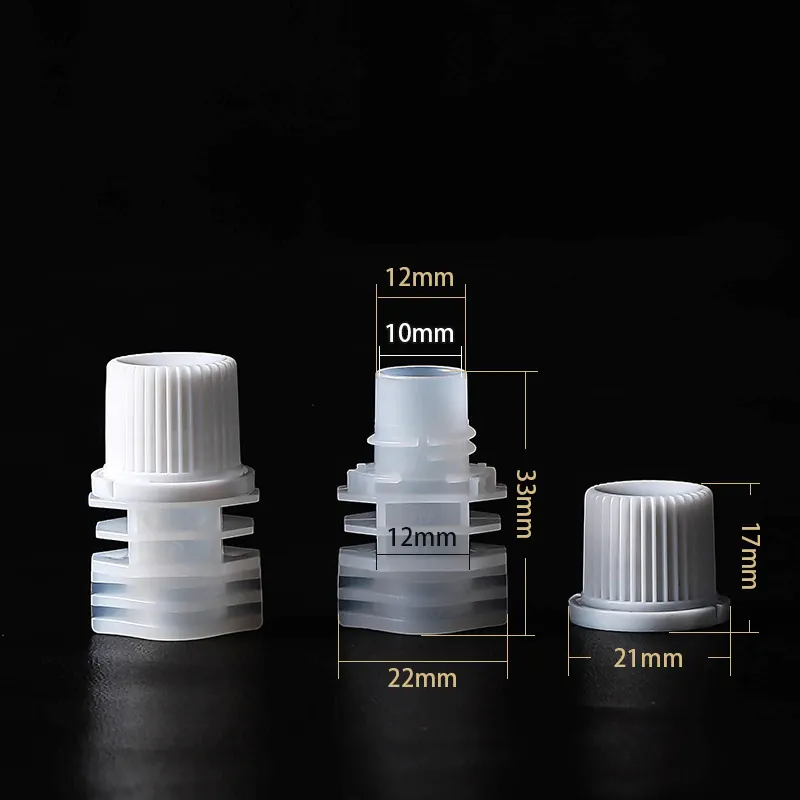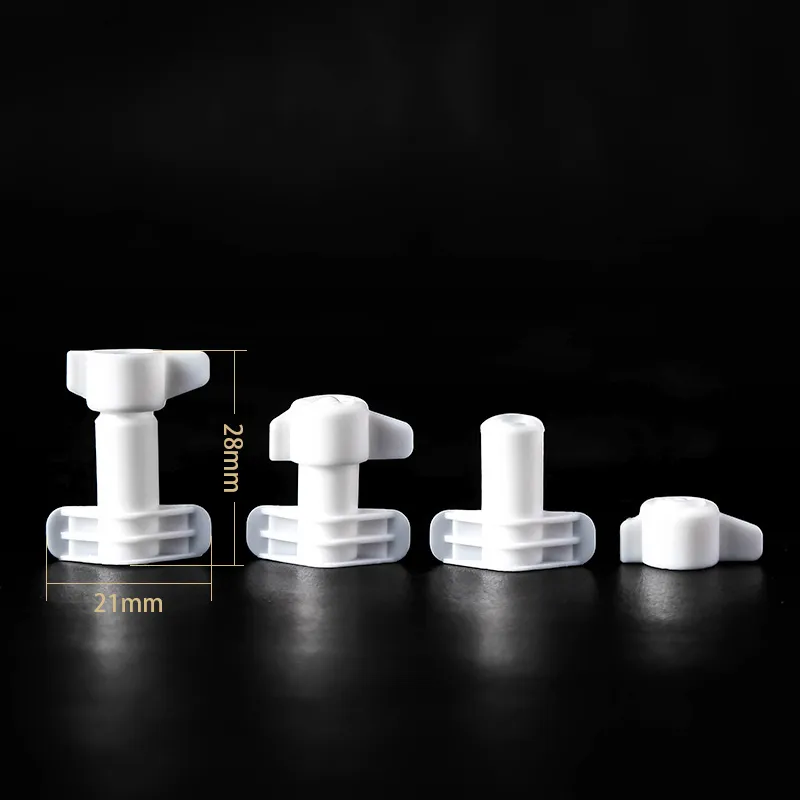







Selecting the right spout cap for liquid packaging is critical for functionality, transportation reliability, and consumer satisfaction. While many buyers focus on material selection, cap diameter, or manufacturing cost, the thread design, spout geometry, and closure type are equally essential—especially when liquid viscosity varies.
A spout cap suitable for water may fail for honey or ketchup, while a closure designed for viscous shampoo could overcomplicate thin juice dispensing.
For liquid brands, beverage brands, and spout pouch manufacturers, understanding how spout cap design interacts with liquid viscosity helps ensure packaging reliability, an optimal user experience, and efficient production.
We are to explain thin and thick liquid packaging challenges, recommended spout cap types, and how Sanrun, as a leading custom spout cap manufacturer, develops solutions for specialized liquids.
Understanding Liquid Viscosity in Packaging
Thin Liquids
Examples: water, juice, sports drinks, liquid detergents
Characteristics: low resistance to flow, rapid dispensing
Packaging Challenges: splashing, over-pouring, leakage during transport
Recommended Cap Features: smaller spout openings, single-start or continuous threads, lightweight closures
Thin liquids require closures that ensure precise flow control, prevent accidental leaks, and remain compatible with high-speed filling lines. Single-start threads are ideal for reliable sealing, while continuous threads allow for consistent manufacturing and low-cost production.

Thick Liquids
Examples: ketchup, honey, syrup, lotion, shampoo concentrates
Characteristics: slow flow, high resistance
Packaging Challenges: difficult dispensing, residue buildup, consumer frustration
Recommended Cap Features: larger spout openings, multi-start or buttress threads, reinforced sealing structures
High-viscosity liquids demand spout caps that support smooth pouring, strong sealing under pressure, and reduced residue. Multi-start threads minimize rotations required for opening, while buttress threads provide a stronger seal for products under pressure during transport.

Why Liquid Viscosity Matters When Choosing a Spout Cap
Proper spout cap selection directly influences:
Dispensing Performance
- Flow control accuracy
- Pouring consistency
- Ease of use
Sealing Reliability
- Leak prevention
- Pressure management
- Protection of product integrity
Consumer Experience
- The effort required to open
- Ease of squeezing and pouring
- Complete product evacuation
Matching the spout cap design to liquid viscosity ensures smooth dispensing, minimizes product waste, and maintains consumer satisfaction.
Key Spout Cap Design Elements Affected by Liquid Viscosity
Spout Diameter
- Thin liquids: smaller openings for controlled flow
- Thick liquids: larger openings to reduce dispensing effort
Thread Design
- Single-start threads: reliable for low-viscosity liquids
- Multi-start threads: faster opening, ideal for high-viscosity liquids
- Buttress threads: strong sealing under high internal pressure
Cap Structure
- Screw Caps – Suitable for both thin and thick liquids, offering reliable sealing performance and broad compatibility across food, beverage, household, and personal care applications.
- Flip-Top Caps – Commonly used for thick liquids such as shampoos, lotions, sauces, and gels, allowing convenient one-handed dispensing and controlled product flow.
- Tamper-Evident Closures – Suitable for both thin and thick liquids where product safety and consumer confidence are priorities, particularly in food, beverage, pharmaceutical, and personal care packaging.
Material Selection
- Chemical compatibility with contents – HDPE, resistant to acids, alkalis, detergents, and industrial chemicals
- Durability for transportation and storage – PP, high rigidity, impact resistance, and dimensional stability
- Resistance to deformation under pressure – PP or HDPE, high structural strength, and stress-crack resistance
A mismatch in these elements can lead to leakage, high opening torque, or poor consumer perception of quality.
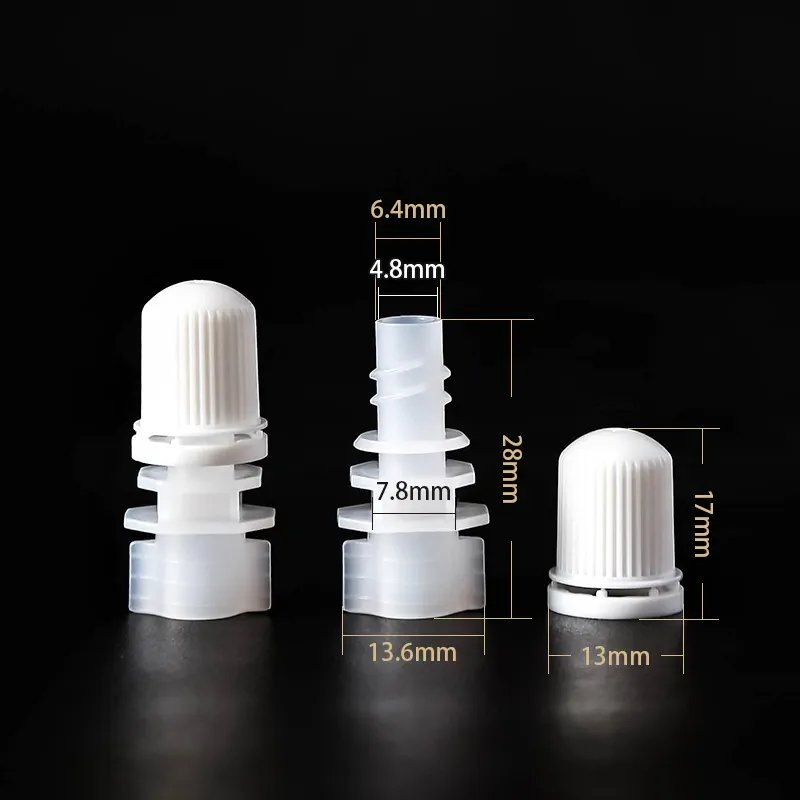
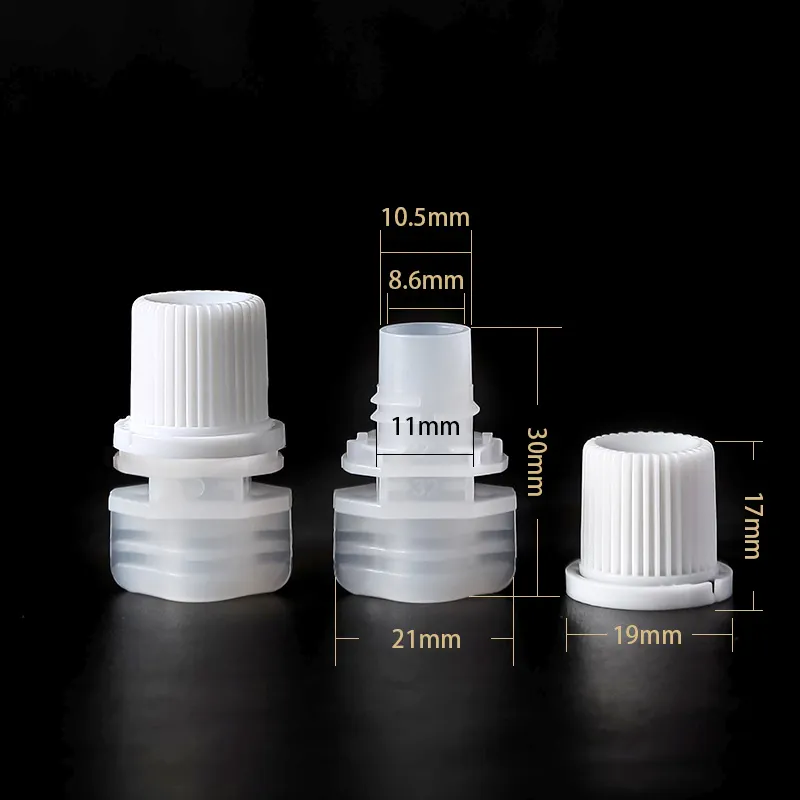
Recommended Spout Cap Types for Thin vs Thick Liquids
Best Spout Cap Solutions for Thin Liquids
Products: water, juice, liquid detergents
Features:
- Small spout openings
- Single-start or continuous threads
- Lightweight closures
Benefits: - Controlled flow
- Minimal splashing
- Cost-effective production
Thin liquids move easily, so caps must maintain sealing reliability without overcomplicating dispensing. Single-start threads are straightforward, affordable, and provide sufficient sealing for low-viscosity liquids, making them ideal for high-volume, low-cost packaging lines.
Best Spout Cap Solutions for Thick Liquids
Products: honey, syrup, sauces, shampoo concentrates, lotions
Features:
- Large spout openings
- Multi-start or buttress threads
- Reinforced sealing
Benefits: - Easier dispensing
- Reduced residue
- Improved user experience
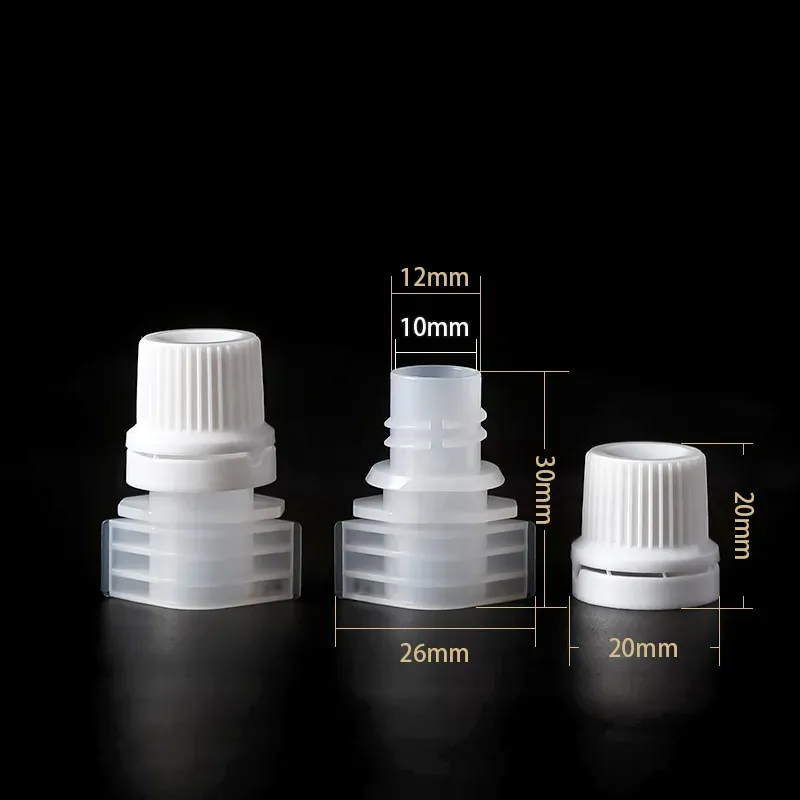
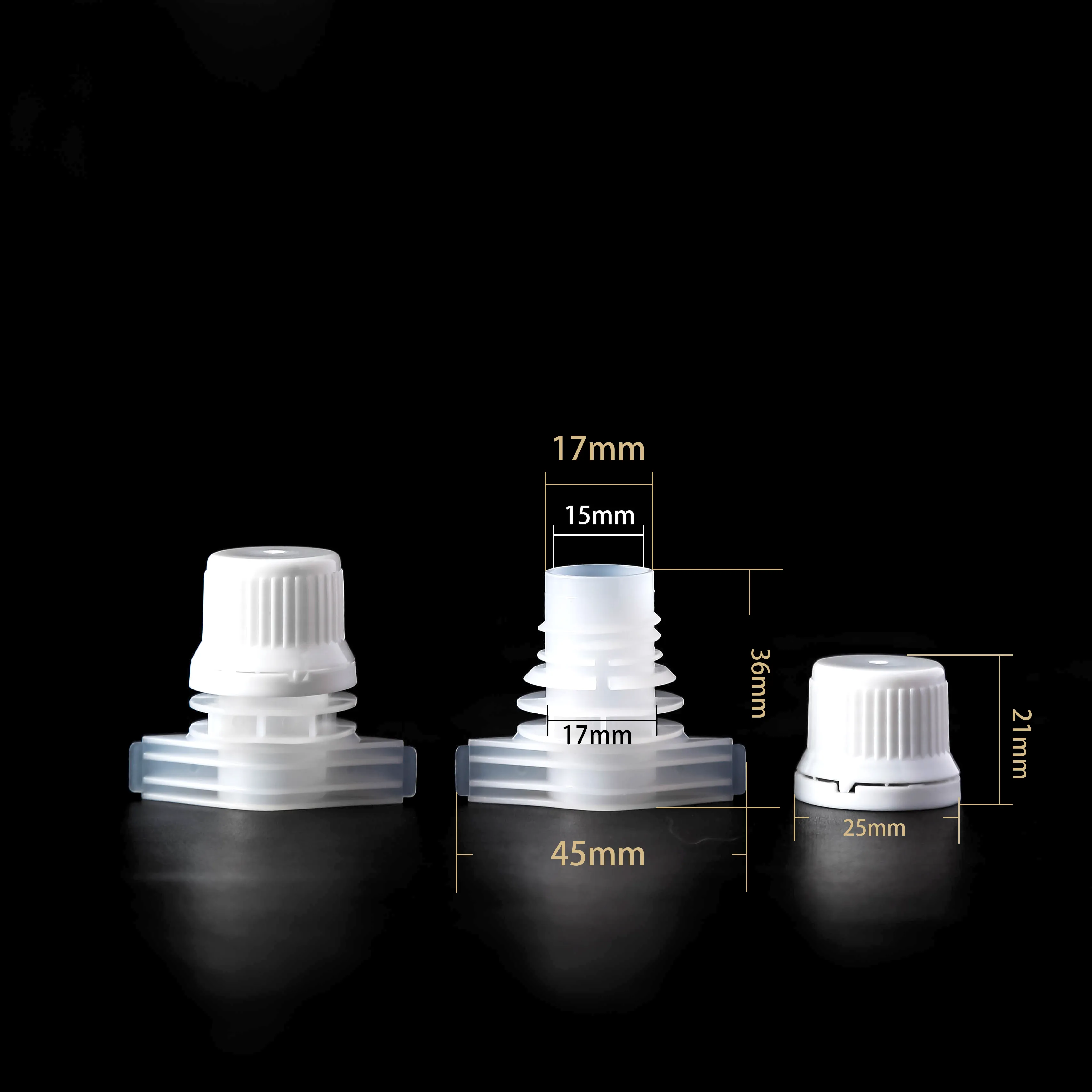
High-viscosity liquids demand spout caps that support smooth pouring, strong sealing under pressure, and reduced residue. Multi-start threads reduce rotations required for opening, while buttress threads provide a stronger seal under pressure during transport and handling.
Benefits of Matching Spout Cap Design to Liquid Viscosity
- Reduced Leakage Risks: appropriate threads prevent accidental opening
- Improved Consumer Satisfaction: smooth opening and precise pouring
- Better Product Evacuation: minimal product waste
- Higher Filling Line Efficiency: optimized torque and cap application speed
- Lower Packaging Failure Rates: fewer complaints, stronger brand reputation
Ensuring proper spout cap selection not only protects product quality but also optimizes supply chain efficiency and reduces operational costs.
Custom Solutions for Specialized Liquids
When Standard Spout Caps Are Not Enough
- Ultra-high-viscosity liquids
- Premium personal care products
- Industrial chemicals
- Unique dispensing needs
Custom Features Available
- Specialty thread designs for high-viscosity liquids
- Tamper-evident systems
- Child-resistant closures
- Brand-specific dispensing systems
- Customized spout diameters and flow-control structures
How Sanrun Develops Custom Spout Cap Solutions
Step 1: Product & Application Analysis Based on the Products of Clients’
- Evaluate viscosity, dispensing requirements, and chemical compatibility
- Assess transportation, storage, and brand positioning
Step 2: Engineering Design & Modeling
- Optimize spout geometry and thread design, then generate samples for assessments.
- Simulate flow and dispensing performance

Step 3: Prototype Development & Testing
- Leakage and torque testing
- Consumer usability evaluation
- Flow consistency verification
- Threads engagements testing
Step 4: Mold Engineering & Production Optimization
- Precision tooling and dimensional tolerance checks
- Manufacturing feasibility analysis
Step 5: Pilot Production & Quality Validation
- Small-batch trials for filling-line compatibility
- Consistency and reliability testing

Step 6: Mass Production & Ongoing Quality Control
- Large-scale manufacturing with continuous quality monitoring
- Global supply chain management to meet wholesale demands
Following this process, we ensure specialized liquid packaging meets consumer expectations, production efficiency, and regulatory requirements in your target markets.

Factors Affecting Choice Beyond Viscosity
Transportation Conditions
- Long-distance export requires robust thread engagement and sealing
Temperature Sensitivity
- Hot-fill or cold-fill liquids may require material adjustments
Product Shelf-Life Requirements
- Cap integrity affects oxygen ingress and contamination risk
Regulatory Compliance
- Food, cosmetic, and chemical standards impact material and closure choice
Consumer Usability
- Ease of opening and pouring enhances brand perception
These factors often dictate whether standard closures suffice or custom solutions are needed.
Why Work with an Experienced Spout Cap Manufacturer
Manufacturing Expertise
At Sanrun, we combine precision engineering with advanced tooling technologies to manufacture spout caps with strict dimensional accuracy and consistent performance. Our experienced engineering team continuously optimizes mold designs and production processes to ensure reliable quality across high-volume production runs.
OEM/ODM Customization Capabilities
We provide customized spout cap solutions tailored to different liquid viscosities, dispensing requirements, and brand objectives. Whether you need specialized thread designs, tamper-evident features, child-resistant closures, or unique dispensing systems, our OEM and ODM capabilities help bring your packaging concepts to market efficiently.
Quality Control Systems
Quality is integrated into every stage of our manufacturing process. We conduct comprehensive inspections and performance testing, including leak-proof testing, torque testing, dimensional verification, and thread engagement evaluation to ensure every spout cap meets customer specifications and industry standards.
Global Supply Chain Support
With extensive export experience and efficient production planning, we support customers worldwide with reliable lead times and stable supply. Our automated manufacturing facilities and large-scale production capacity enable us to fulfill both standard and customized wholesale orders efficiently.
Additionally, we are actively seeking qualified global partners and distributors to expand our network. By joining as a Sanrun agent, partners gain access to our premium spout cap products, OEM/ODM solutions, and technical support in machinery and production, helping them serve local markets with high-quality packaging solutions.
Material Research & Development Support
We continuously evaluate and develop material solutions using PP, PE, HDPE, and LDPE to meet the performance requirements of different applications. By combining material expertise with packaging engineering, we help customers achieve the optimal balance between durability, chemical resistance, dispensing performance, and cost efficiency.

Conclusion
Selecting the right spout cap starts with understanding the viscosity of the product being packaged. Thin and thick liquids behave differently during filling, transportation, storage, and dispensing, which means they require different spout and closure designs to achieve optimal performance. A well-matched spout cap can improve flow control, enhance sealing reliability, and create a better user experience, ultimately reducing product leakage, consumer complaints, and packaging-related costs.
For products with unique dispensing requirements, premium positioning, or exceptionally high viscosity, standard closures may not always provide the desired results. In these cases, Sanrun’s custom-designed spout cap solutions can deliver better functionality and stronger brand differentiation. By partnering with a leading spout cap manufacturer like Sanrun, brands can access customized closure solutions, precision manufacturing, and rigorous quality control to ensure reliable performance and seamless compatibility with automated filling lines.
FAQ
Which spout cap is best for thick liquids?
Thick liquids need a broader inner diameter. Multi-start or buttress thread designs with larger spout openings will be the utmost choice for you.
What spout diameter is recommended for thin liquids?
Smaller openings for controlled pouring. In practice, we firmly recommend 8-10mm spout cap, 10-14mm spout cap, 14-18mm spout cap for small, medium, and large, respectively.
How does viscosity affect spout cap selection?
Impacts the thread type, spout size, opening torque, and dispensing efficiency
Can spout caps be customized for unique products?
Yes, Sanrun provides OEM/ODM solutions for high-viscosity, premium, and industrial liquids
Are multi-start threads better for viscous products?
Yes, they reduce the rotation needed and improve dispensing
How do I choose a spout cap for automated filling lines?
Consider torque range, cap type, and thread design compatibility, or contact Sanrun’s plastic spout cap experts to figure it.
What factors besides viscosity should be considered when selecting a spout cap?
Transport, temperature, shelf-life, regulatory compliance, and consumer usability