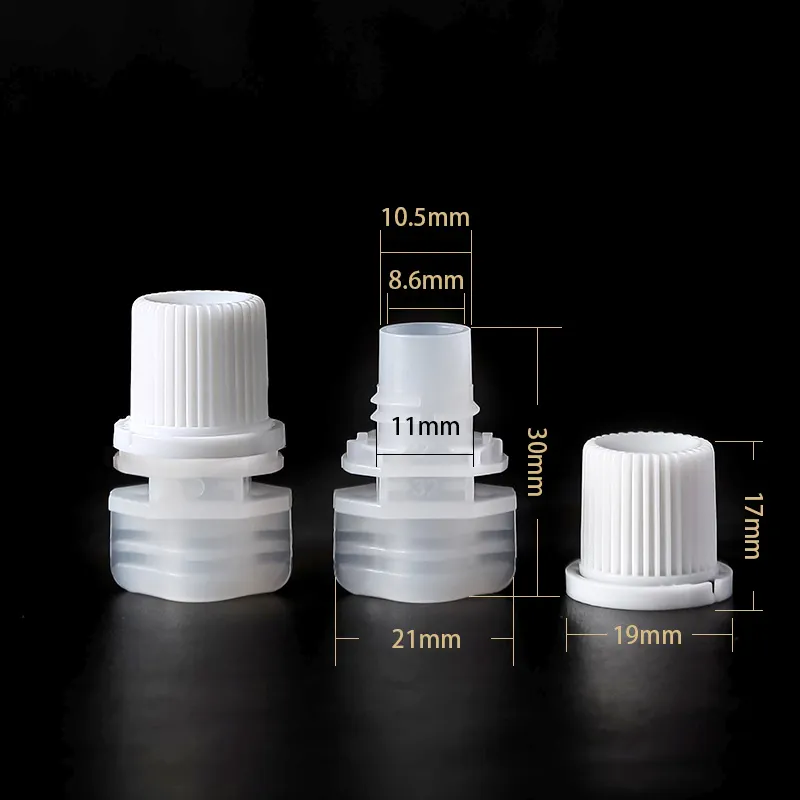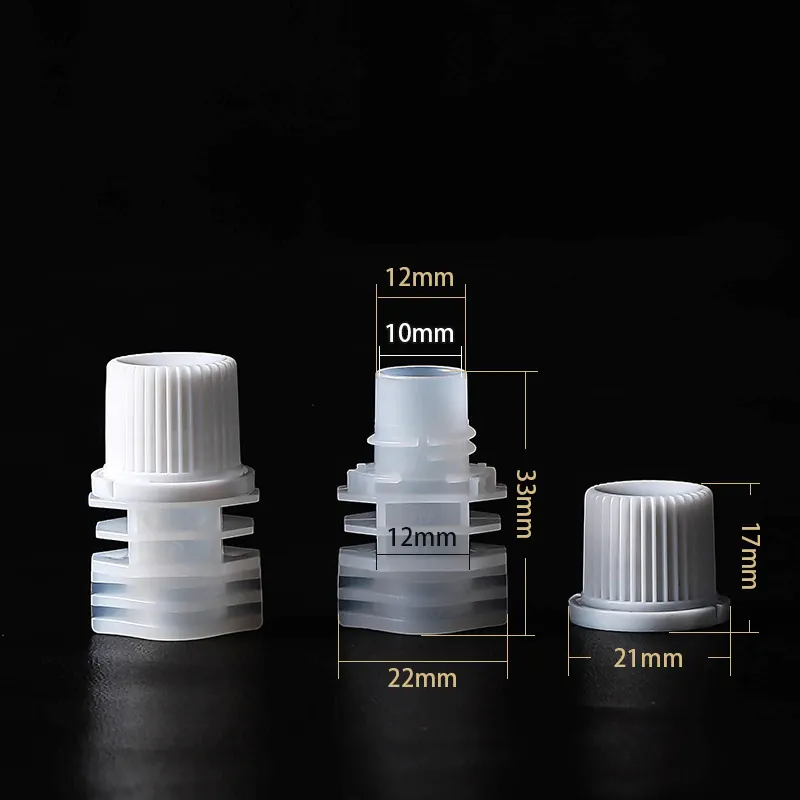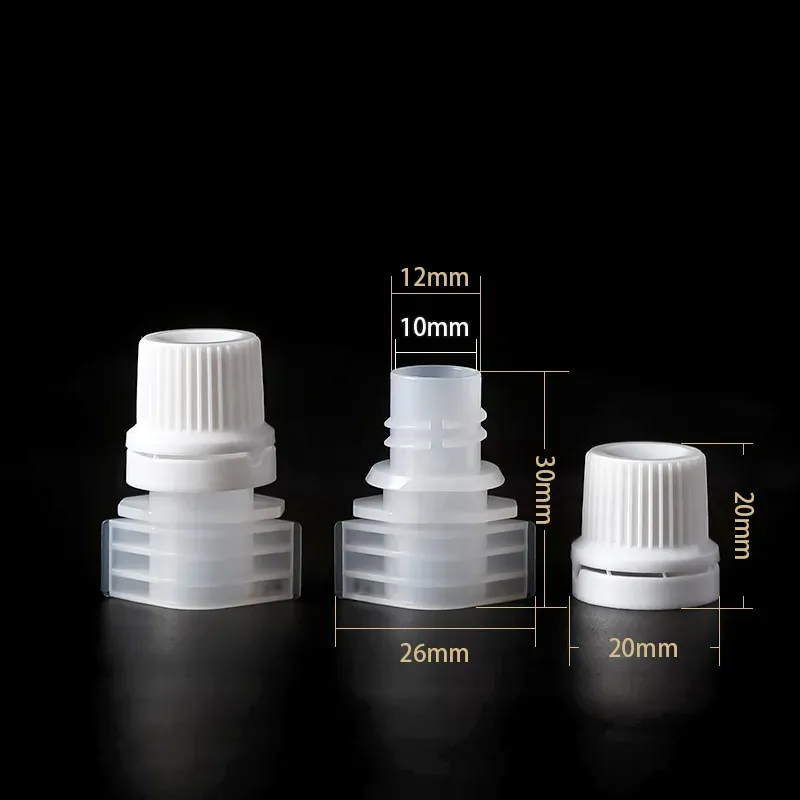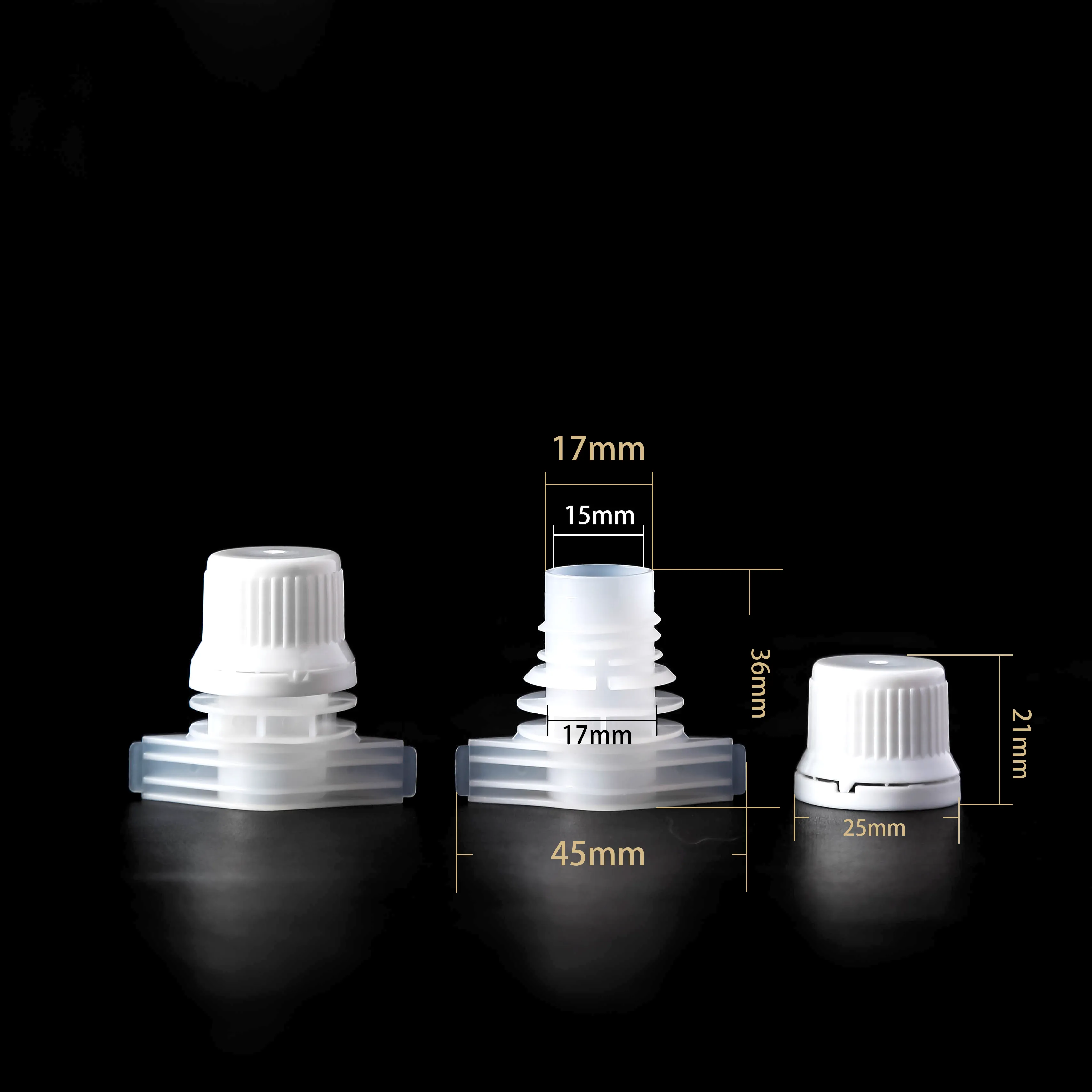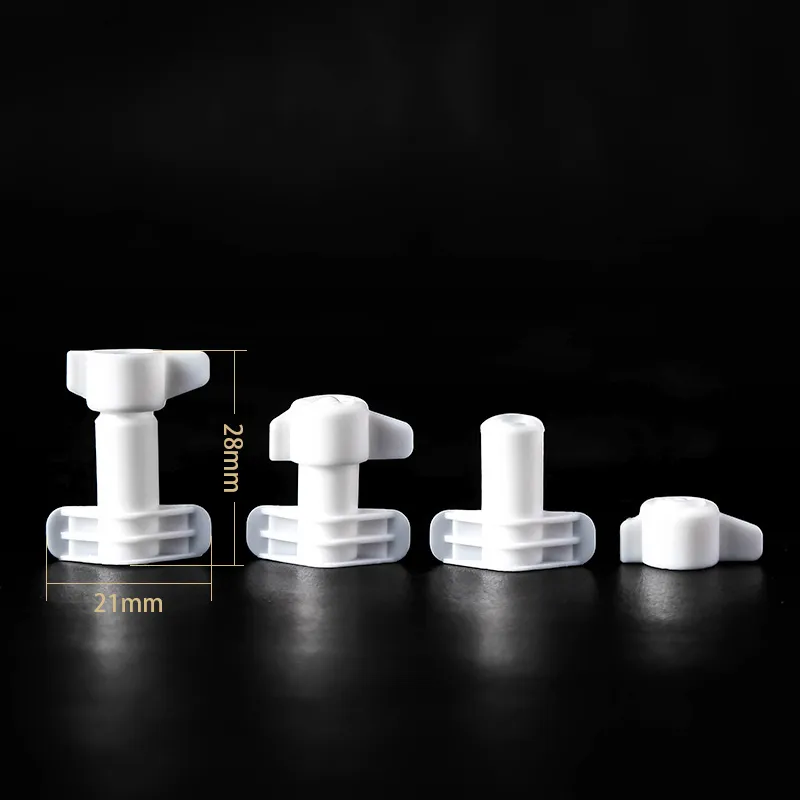







For spout pouch manufacturers, flexible packaging factories, and beverage or food brands, a standard closure is not always enough. Different pouch structures, liquid viscosities, filling systems, and branding requirements may require a specially designed spout cap.
A custom spout cap mold determines many of the final product’s critical characteristics, including thread geometry, sealing structure, spout diameter, cap dimensions, and overall consistency. A well-designed mold can improve production stability and reduce problems such as leakage, poor capping, and dimensional variation.
Here, Sanrun, a professional spout cap manufacturer, explains how to customize a spout cap mold, what information should be prepared before tooling, and how Sanrun supports customers from initial design to mass production.
When Do You Need a Custom Spout Cap Mold?
Not every project requires a completely new mold. However, customization becomes valuable when an existing spout cap cannot meet the pouch, product, or production requirements.
Standard Spout Caps Do Not Match the Pouch
Different spout pouch packaging formats may use different spout dimensions, pouch films, and attachment methods. If the existing cap does not fit the spout correctly, customized tooling may be required.
This is particularly important when the cap must work with a specific pouch sealing structure or automated filling line.
You Need Different Dispensing Performance
Liquid viscosity has a direct impact on dispensing requirements.
Thin beverages may work well with relatively small dispensing openings, while thicker products such as sauces or concentrates may require a larger opening or a different internal flow structure.
A custom cap allows the dispensing system to be designed around the actual product.
You Need Brand-Specific Appearance
Brands may require a specific cap shape, color, grip structure, or other visual characteristics.
For premium products, a customized spout cap can become part of the overall packaging design rather than simply functioning as a closure.
Existing Caps Cannot Meet Production Requirements
The cap also needs to perform reliably during industrial production.
If the existing design creates problems with capping torque, thread engagement, cap feeding, or automated filling equipment, a customized solution may provide better production compatibility.
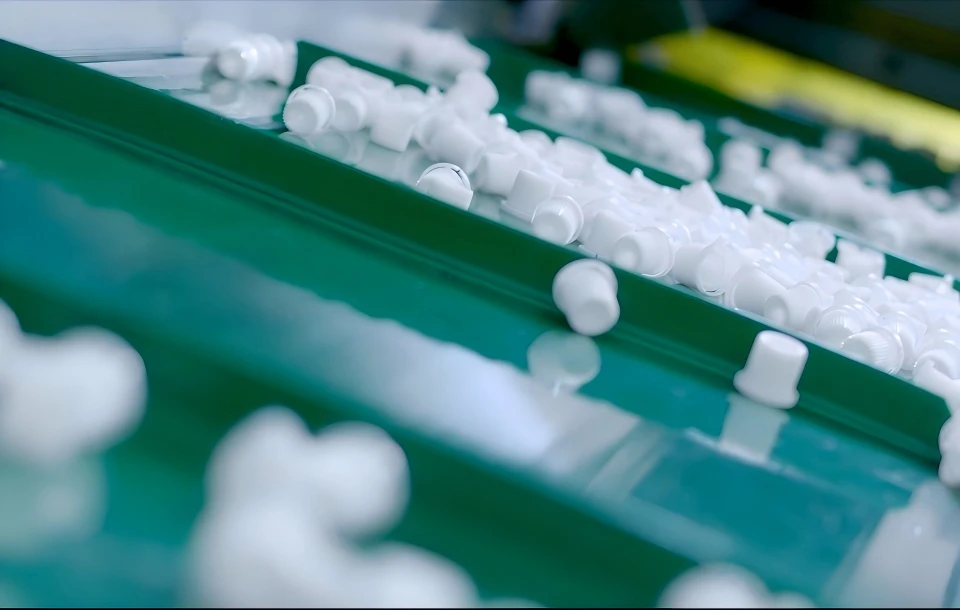
What Information Is Needed Before Designing a Spout Cap Mold?
A good mold project starts with accurate product and packaging information. The more complete the initial specifications, the less likely major design changes will be required later.
Pouch Specifications
A manufacturer should understand:
- Pouch dimensions
- Film structure
- Film thickness
- Pouch type
- Spout attachment method
These details determine how the spout and cap need to interact with the flexible packaging.
Product Specifications
The product itself also affects the design.
Important information includes:
- Liquid viscosity
- Product formulation
- Filling temperature
- Chemical compatibility
- Desired dispensing behavior
For example, a cap designed for juice does not necessarily need the same dispensing characteristics as one designed for a high-viscosity sauce.
Production Requirements
The manufacturer should also know:
- Filling speed
- Filling equipment
- Capping equipment
- Expected production volume
- Target markets
This information helps ensure the cap is developed for the actual manufacturing environment rather than only for laboratory or manual use.
Existing Samples or Drawings
Existing samples, CAD drawings, pouch samples, or technical drawings can significantly accelerate development.
If a brand is replacing an existing supplier, providing the current cap and pouch can also help the manufacturer understand the required dimensions and performance.
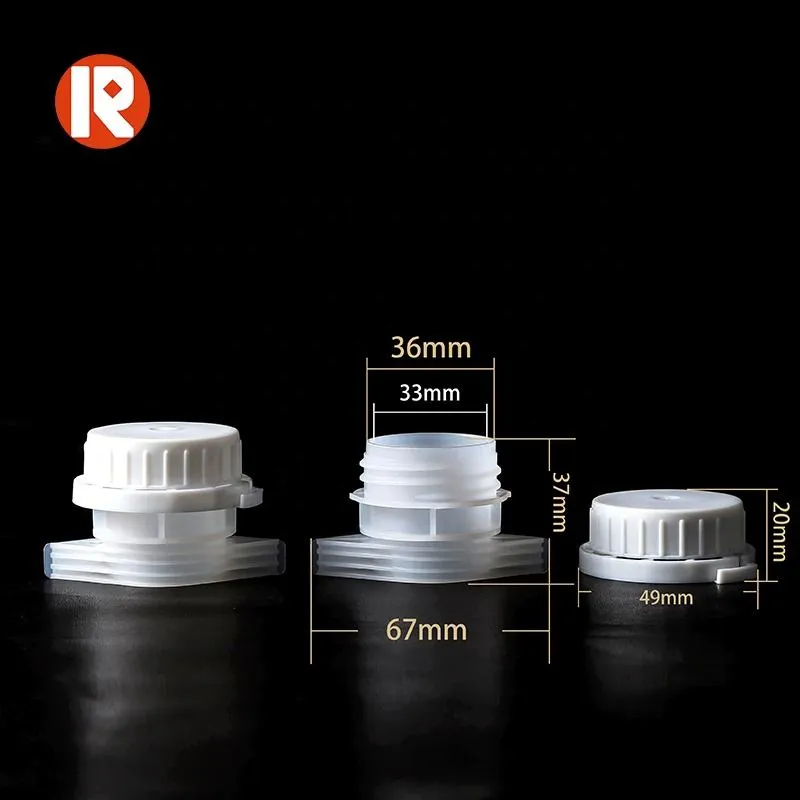
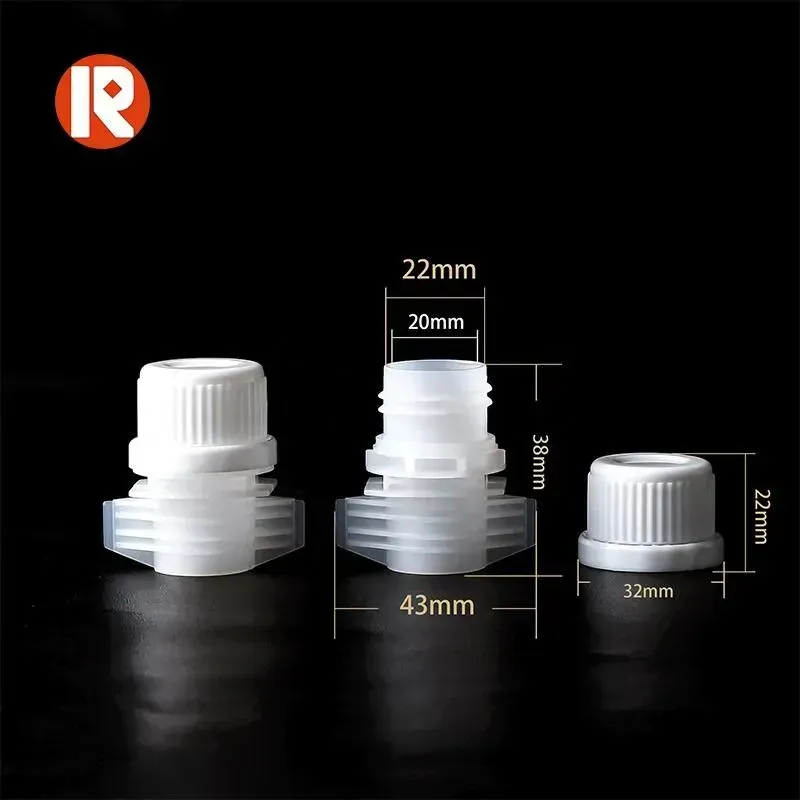
Step-by-Step Process for Customizing a Spout Cap Mold
Custom tooling should follow a controlled development process from product requirements to mass production.
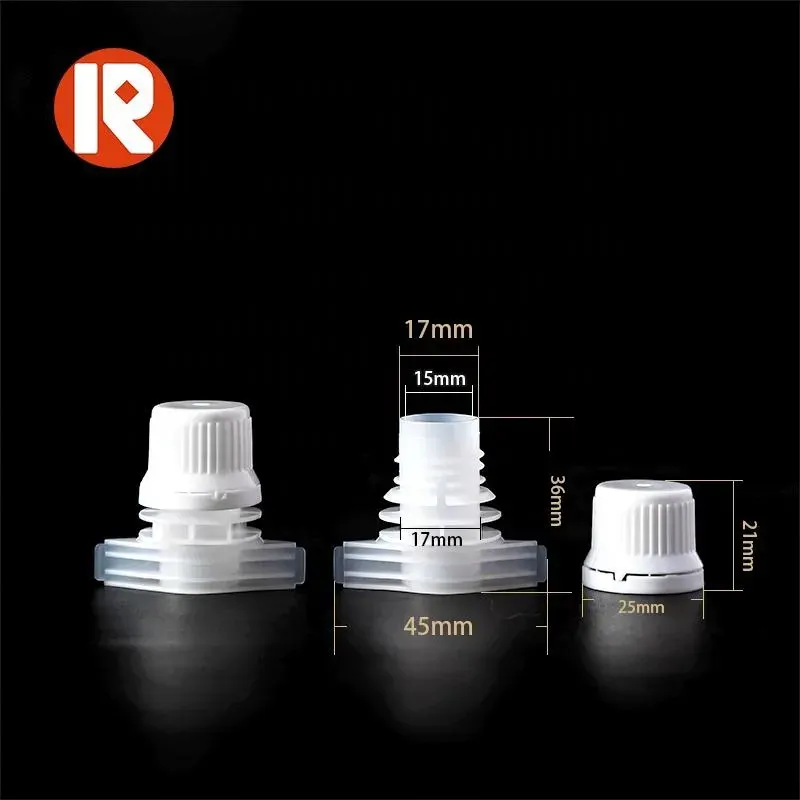
Step 1 – Define the Spout Cap Design
The first stage is to define the basic geometry.
Key parameters include:
- Overall dimensions
- Cap shape
- Spout diameter
- Thread type
- Sealing structure
- Dispensing opening
These dimensions need to be considered together. For example, changing the spout diameter may affect dispensing speed, cap dimensions, and the required sealing structure.
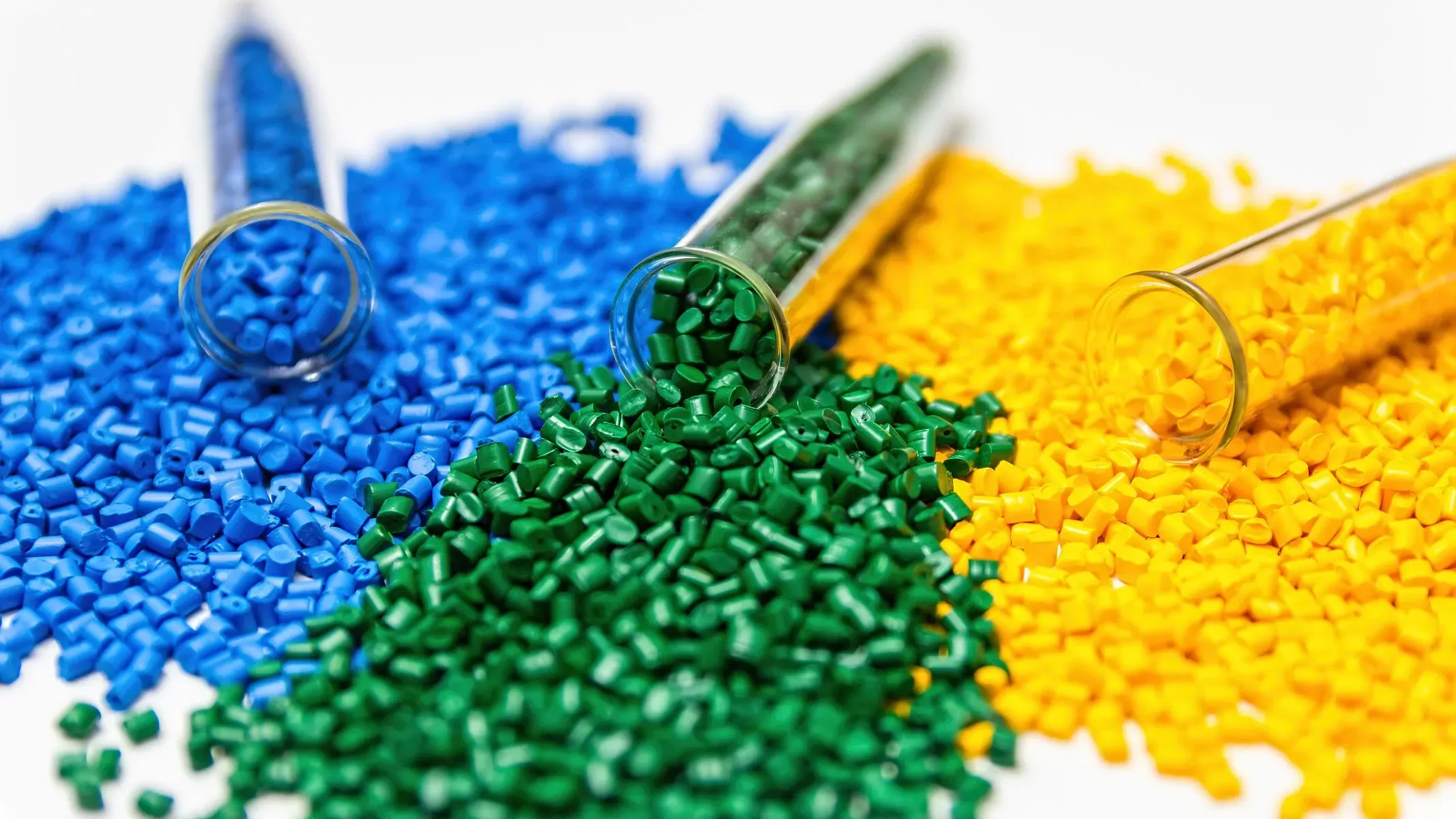
Step 2 – Select the Appropriate Material
Common materials for plastic spout caps include PP, PE, HDPE, and LDPE.
Material selection affects:
- Strength
- Flexibility
- Chemical resistance
- Sealing behavior
- Consumer handling
For example, a rigid cap may be preferred when structural stability is important, while a more flexible material can be useful for certain dispensing or sealing requirements.
Material selection should therefore be based on the product and packaging system rather than cost alone.
Step 3 – Develop the Mold Structure
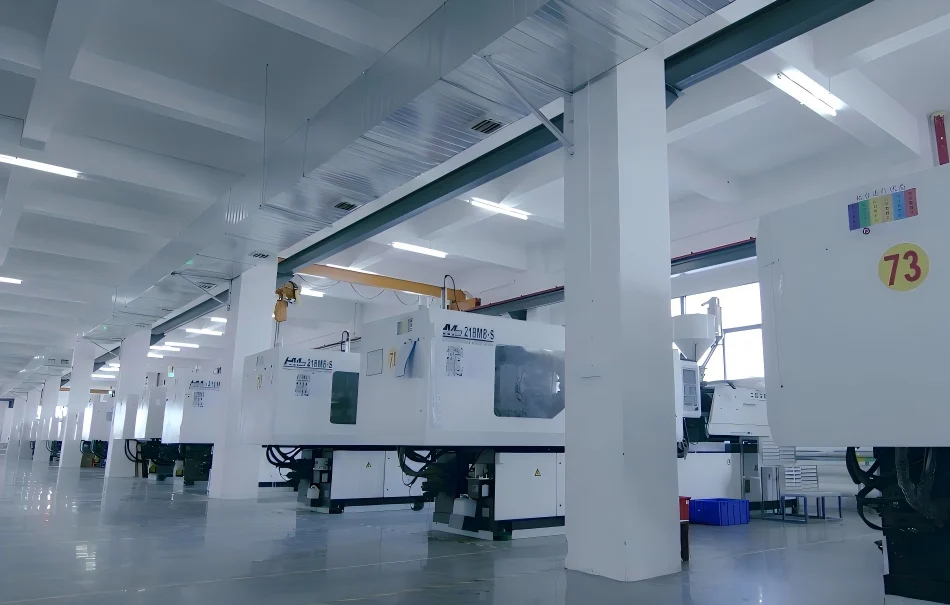
Once the product design is defined, the tooling structure can be developed.
Important mold components include:
- Cavity structure
- Core structure
- Thread-forming components
- Parting line
- Cooling system
- Ejection system
Thread geometry is particularly important because even small dimensional variations can affect cap torque, thread engagement, and sealing performance.
This is why precision mold manufacturing is an important part of consistent spout cap production.
Step 4 – Conduct Mold Flow and Design Review
Before manufacturing the tooling, the design should be reviewed for potential manufacturing problems.
The review can consider:
- Material flow
- Wall thickness
- Shrinkage
- Potential weak points
- Dimensional tolerances
This stage helps identify issues before they become expensive tooling modifications.
Step 5 – Manufacture the Mold
Once the design is approved, the tooling can be manufactured using precision machining and other appropriate mold-making processes.
Key considerations include:
- Machining accuracy
- Surface finishing
- Component assembly
- Dimensional verification
The objective is to create tooling capable of producing consistent parts throughout repeated production cycles.

Step 6 – Trial Production and Sampling
Initial samples are produced after the mold is completed.
The samples should be checked for:
- Dimensions
- Thread engagement
- Sealing
- Appearance
- Spout opening
- Assembly performance
This is the first opportunity to verify whether the actual molded product matches the approved design.
Step 7 – Testing and Design Optimization
Sample testing can include:
- Leakage testing
- Torque testing
- Pressure testing
- Dimensional inspection
- Assembly testing
- Filling-line compatibility
If testing identifies a problem, the product design or tooling can be adjusted before mass production.
Step 8 – Mass Production
After the sample is approved, the manufacturer can finalize production parameters and quality standards.
The mold can then be used for bulk production with established inspection requirements to maintain consistency between batches.
Key Spout Cap Features That Require Mold Customization
The mold controls much more than the external appearance of the cap.
Thread Design
Thread structures can include:
- Single-start threads
- Multi-start threads
- Buttress or specialty structures
Thread geometry affects opening and closing torque, engagement, sealing, and compatibility with automated capping equipment.
Sealing Structure
The sealing system is another critical area.
Depending on the application, the design may incorporate internal sealing surfaces, external sealing structures, or compression areas.
The objective is to create sufficient contact between the cap and spout to prevent leakage during filling, transportation, and consumer use.
Spout Diameter and Dispensing Opening
The opening should correspond to the product’s viscosity and desired flow rate.
A smaller opening can provide more controlled dispensing for thin liquids, while thicker liquids may require a larger opening to reduce dispensing resistance.
Cap Geometry and Ergonomics
Cap geometry affects both production and consumer experience.
The manufacturer may customize:
- Grip structure
- Opening force
- External shape
- Cap dimensions
- Consumer handling
For retail products, these details can influence how easily consumers open and close the package.
Tamper-Evident and Safety Features
For applications requiring additional security, the mold can incorporate tamper-evident structures or other specialized safety features.
The specific design depends on the product, target market, and applicable requirements.
How to Make a Custom Spout Cap Mold Compatible With Spout Pouch Production
For a spout pouch manufacturer, designing the cap separately from the pouch is a mistake. The complete packaging system needs to be considered.
Match the Spout to Pouch Sealing
The spout must be compatible with:
- Pouch film
- Film thickness
- Heat-sealing conditions
- Spout attachment method
Poor compatibility can result in weak connections or leakage even when the cap itself is properly manufactured.
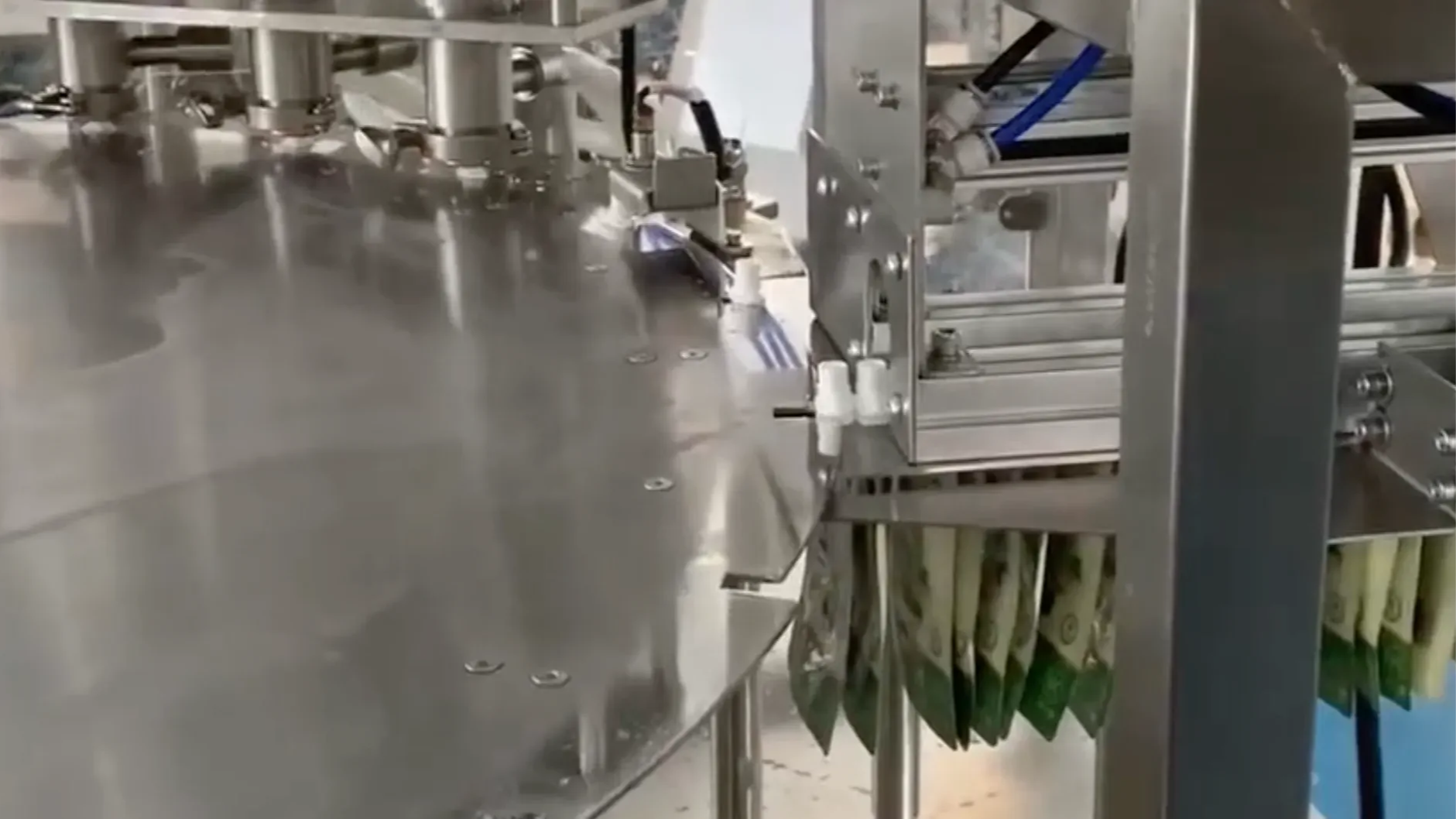
Match the Cap to Filling and Capping Equipment
The cap also needs to work with the production line.
Important considerations include:
- Filling speed
- Cap feeding
- Capping torque
- Automated capping
- Equipment tolerances
A closure designed without considering the filling line may perform well manually but create problems during high-speed production.
Control Dimensional Tolerances
Consistent dimensions are essential for:
- Thread engagement
- Cap-to-spout fit
- Sealing
- Automated assembly
Small variations can become significant when thousands or millions of closures are produced.
Test the Complete Pouch System
The most useful testing approach evaluates:
Pouch + Spout + Cap + Filling + Capping + Transportation
Testing the cap alone cannot always identify problems caused by the interaction between the closure and pouch.
Common Problems When Customizing a Spout Cap Mold
Several problems can arise when tooling is developed without sufficient engineering analysis.
Thread Dimensions Are Inconsistent
Incorrect thread dimensions can cause:
- Difficult capping
- Excessive torque
- Poor engagement
- Leakage
Precision tooling and dimensional inspection are therefore essential.
Mold Shrinkage Is Not Properly Controlled
Plastic shrinkage can cause dimensional deviation after molding.
If shrinkage is not properly considered during tooling design, the finished cap may not match the original specifications.
Poor Sealing Structure
A cap can have accurate external dimensions but still leak if its sealing structure is not correctly designed.
The sealing surfaces need to maintain reliable contact under the expected application conditions.
Mold Is Designed Without Considering the Production Line
A closure that works during manual assembly may not work effectively on an automated line.
Capping torque, cap feeding, dimensional tolerance, and equipment compatibility should be considered before tooling is finalized.
Insufficient Testing Before Mass Production
Skipping adequate testing can move an unresolved problem into large-scale production.
Finding leakage or assembly problems after producing a large quantity can result in additional costs, delays, and tooling modifications.
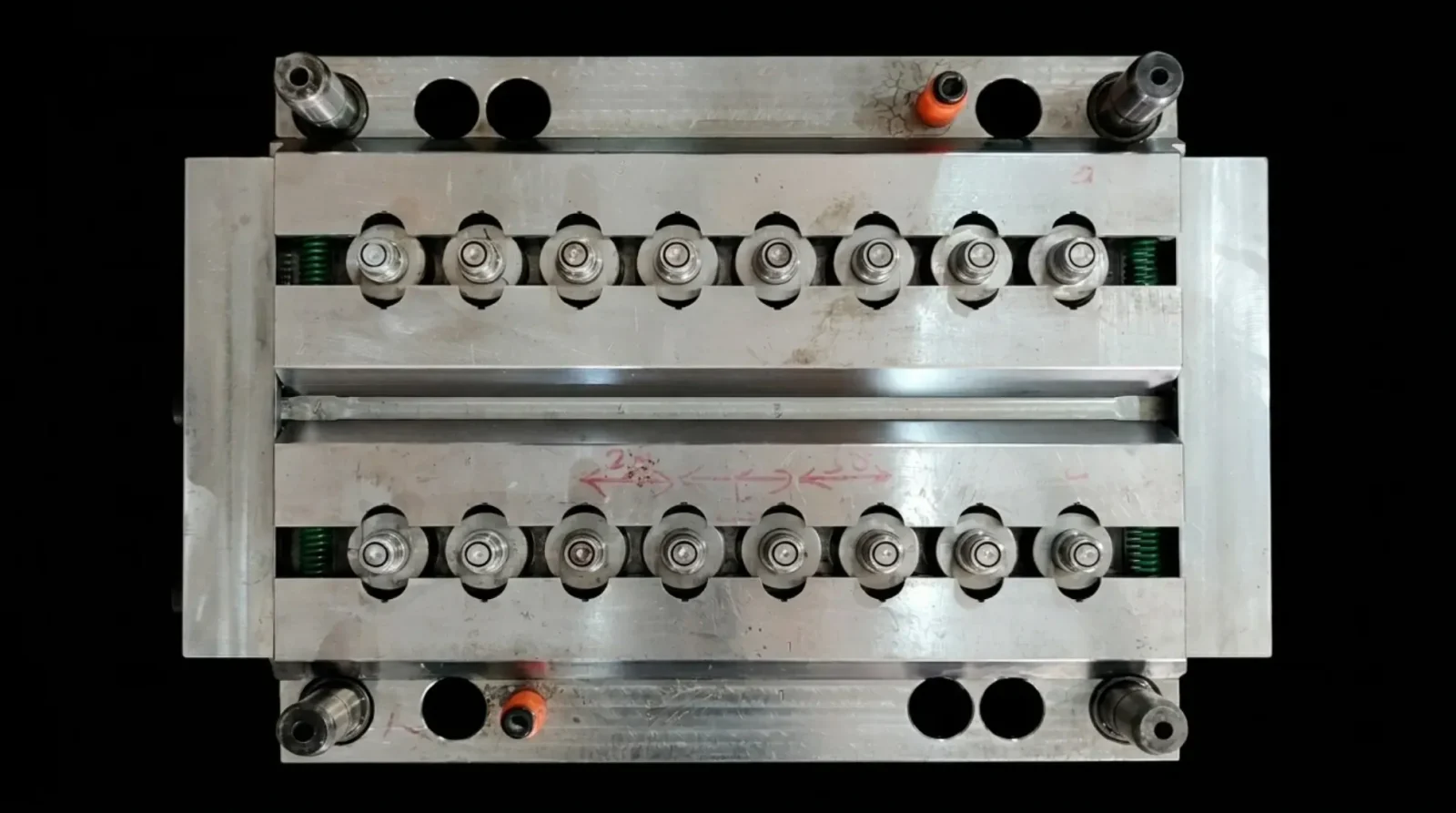
How Sanrun Develops Custom Spout Cap Molds
Sanrun provides factory-direct custom spout cap manufacturing for brands, spout pouch factories, and flexible packaging manufacturers.
Requirement Analysis
We first evaluate the customer’s:
- Pouch structure
- Product characteristics
- Spout dimensions
- Filling equipment
- Capping requirements
This gives our engineering team the information needed to develop a suitable closure design.
Custom Mold Development
We develop tooling around the required thread structure, sealing design, spout diameter, cap geometry, and material.
This approach allows us to optimize the mold for the customer’s specific application rather than relying solely on a standard closure.
Prototype and Testing
Before moving into mass production, we evaluate samples for:
- Dimensions
- Leakage
- Torque
- Thread engagement
- Assembly
- Appearance
Testing helps identify potential problems early and allows the design to be optimized before large-volume production.
OEM/ODM and Bulk Manufacturing
As a custom spout cap manufacturer, Sanrun supports projects from initial mold development through mass production.
We work directly with spout pouch factories, flexible packaging manufacturers, beverage brands, food companies, and other bulk buyers, providing factory-direct communication and production support.
What Should You Ask a Spout Cap Mold Manufacturer Before Starting?
Before approving a tooling project, buyers should evaluate both engineering and manufacturing capabilities.
Mold Development
Ask whether the supplier can:
- Develop a completely new mold
- Modify an existing design
- Control critical dimensions
- Optimize the design before tooling
Product Testing
Confirm whether the supplier can perform or support:
- Leakage testing
- Torque testing
- Thread engagement checks
- Dimensional inspection
- Filling-line compatibility testing
Production Capability
Also evaluate:
- Production capacity
- Lead time
- Batch consistency
- Quality control
- Long-term supply capability
OEM Support
A capable spout cap supplier should be able to work from samples, drawings, or packaging requirements and communicate directly about design and production issues.
This becomes particularly important when a brand and flexible packaging factory are jointly developing a new pouch format.
Conclusion
Customizing a spout cap mold is not simply a tooling project. The mold determines critical characteristics such as thread geometry, sealing structure, dispensing performance, dimensions, and production consistency.
A reliable development process should follow:
Requirements → Design → Material → Mold Development → Trial Production → Testing → Optimization → Mass Production
For brands and spout pouch manufacturers, working with an experienced custom spout cap manufacturer can reduce tooling risks and improve compatibility between the cap, pouch, and production line.
Sanrun supports customers from initial spout cap design and mold development through testing and factory-direct bulk production.