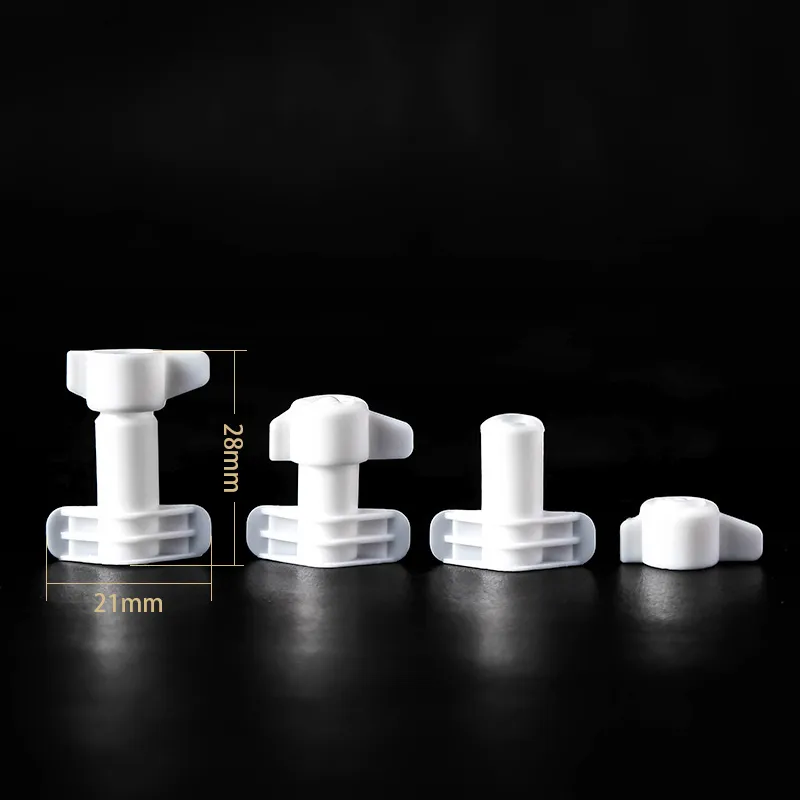







Choosing between tethered and untethered spout cap designs is no longer a single packaging decision. It directly impacts regulatory compliance, production complexity, user experience, and long-term product positioning.
For manufacturers, brand owners, and distributors, the real question is which one is better for your specific product, target market, and cost structure. In this guide, Sanrun, as a spout cap manufacturer, breaks down the differences in a practical, engineering-driven way to support accurate decision-making.
What Is a Tethered Spout Cap?
A tethered spout cap is designed to remain attached to the spout after opening. This is achieved through a hinge, strap, or integrated plastic bridge.
Why choose a Tethered Spout Cap?
- Cap remains connected after opening
- With a flexible hinge or tether structure
- Ideal for repeated opening cycles
- Increasingly used in regulated markets
Core Purpose
The main function of tethered design is cap retention. It prevents caps from being lost during use and supports regulatory and environmental objectives in certain markets.
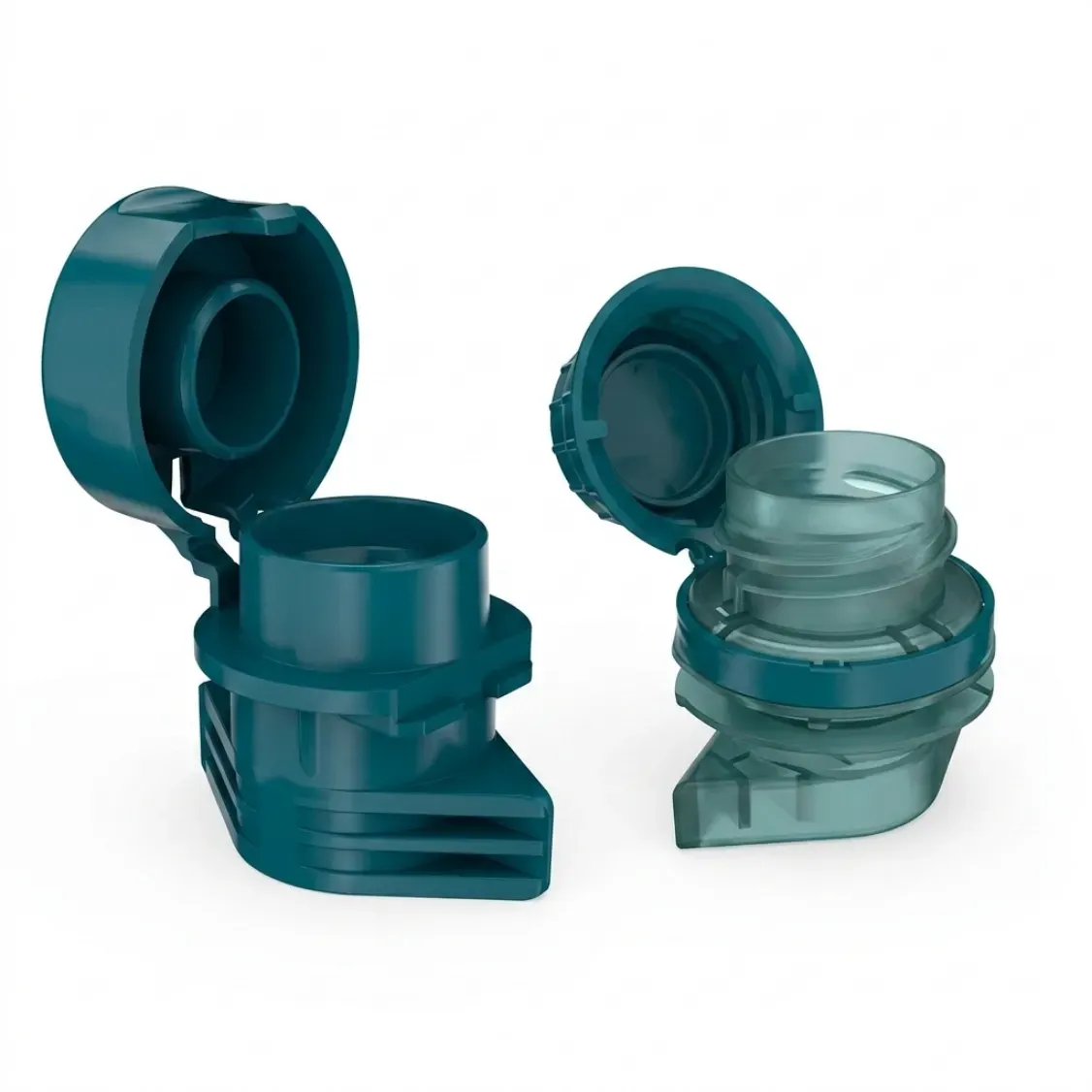
What is an Untethered Spout Cap?
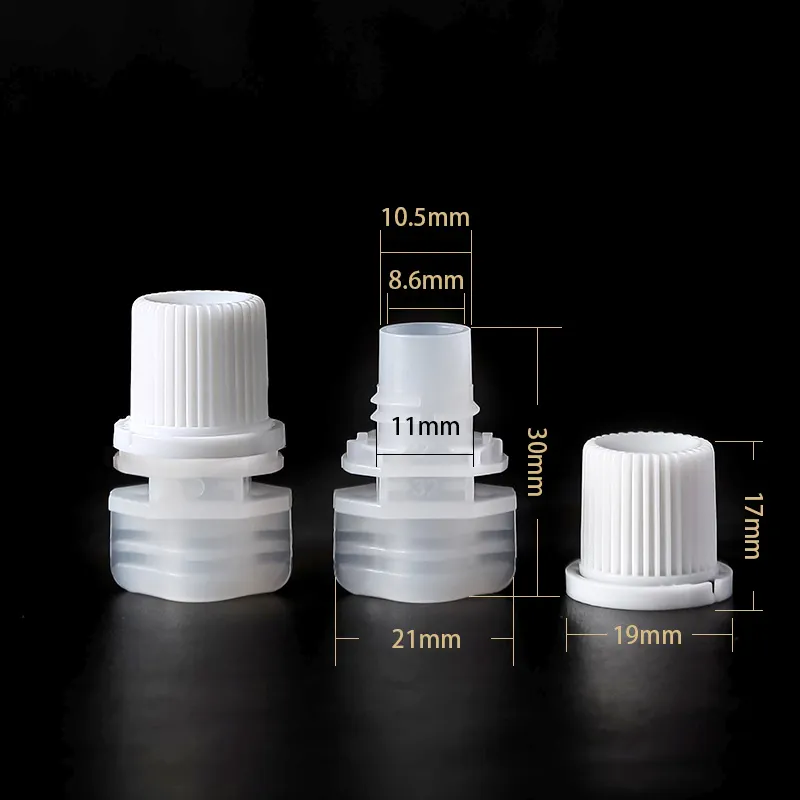
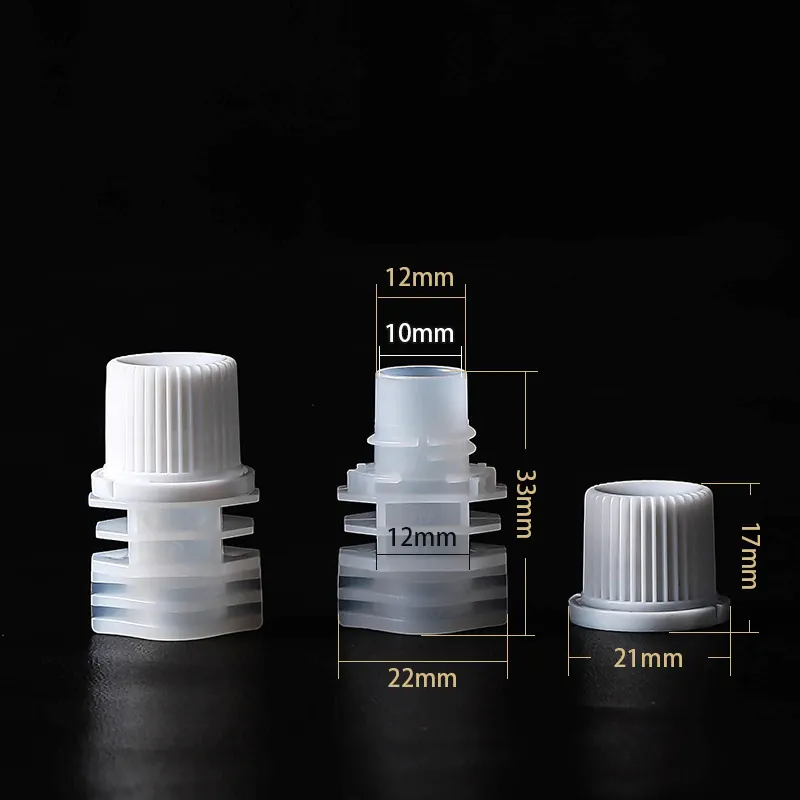
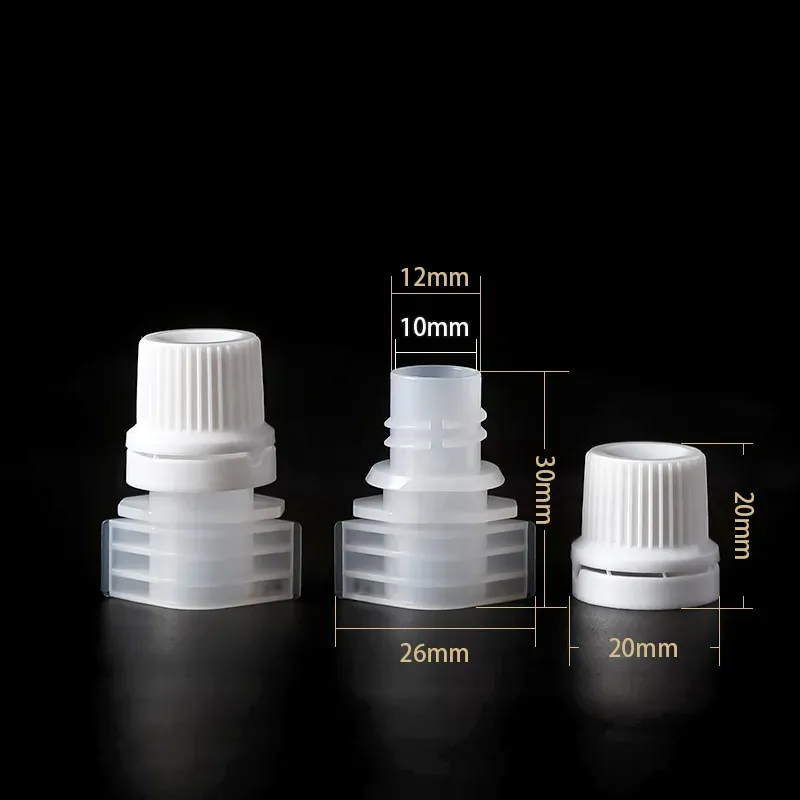
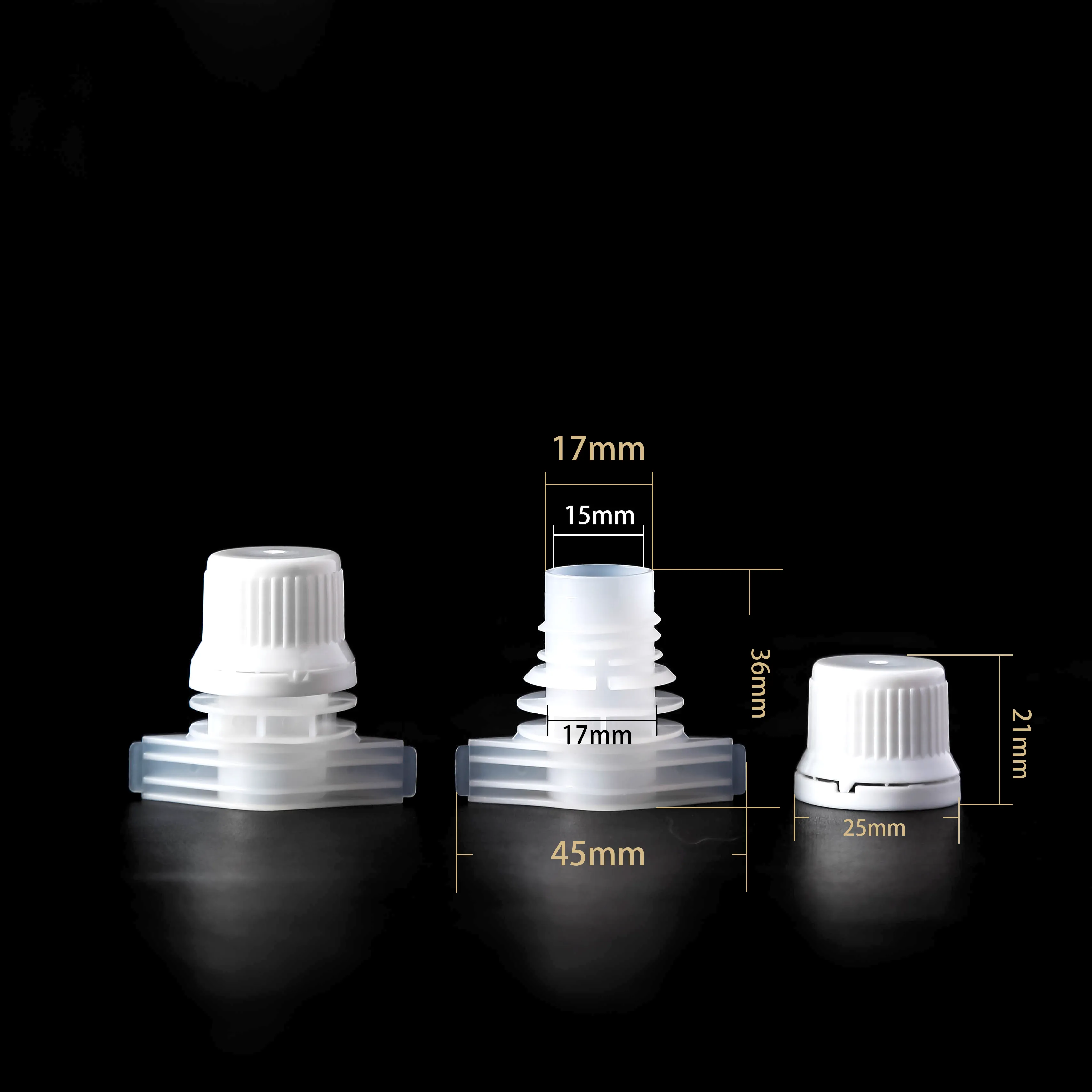
An untethered spout cap is a fully removable closure. It separates completely from the spout when opened.
Why choose an Untethered Spout Cap?
- Simple detachable structure
- Lower mold and production complexity
- Widely used in flexible packaging
- Compatible with most existing pouch systems
Why It Remains Dominant
Untethered caps continue to dominate because they are cost-efficient, easy to manufacture, and operationally stable across high-volume production.
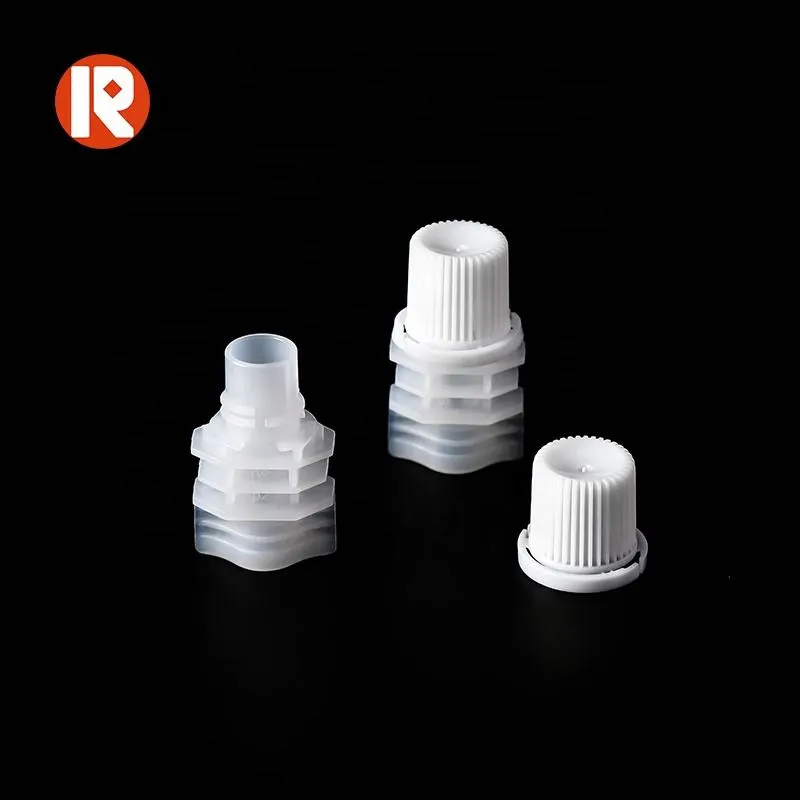
Engineering Differences Between These Two Pouch Spout Caps
The difference between tethered and untethered designs goes beyond attachment—it affects the entire manufacturing process.
Tethered Spout Cap Engineering
- Requires hinge durability and fatigue resistance
- More complex mold design
- Higher precision requirements
- Additional testing for retention performance
Untethered Spout Cap Engineering
- Simpler injection molding process
- Lower defect risk
- Easier to scale in mass production
- Fewer structural variables
At Sanrun, a qualified custom spout cap manufacturer, we evaluate these factors before recommending a solution.
Performance Comparison
User Experience
- Tethered: Prevents cap loss but may slightly interfere during use
- Untethered: More familiar and flexible, but easier to misplace
Dispensing Performance
- Flow is mainly determined by diameter when it is not tethering
- Tethered design may affect handling ergonomics
Durability
- Tethered: Potential hinge fatigue over time
- Untethered: No hinge-related failure risk
Sealing Reliability
- Both can achieve strong sealing
- Tethered systems require stricter tolerance control
Cost and Production Impact
Tethered Spout Caps
- Higher tooling investment
- More complex production process
- Longer validation cycles
- Potentially higher unit cost
Untethered Spout Caps
- Lower mold cost
- Faster production scaling
- More stable manufacturing
- Lower overall cost
At Sanrun, we will typically recommend untethered designs unless tethering delivers clear value for your product life cycle.
Application-Based Decision Guide
Choose Tethered Spout Caps When:
- The target market requires attached caps
- Sustainability positioning is important
- Product is sold in regulated environments
- Cap loss must be minimized
Typical applications:
- Beverage packaging
- Sports & Energy Drinks
- Liquid Detergents & Softeners
- Export-oriented consumer products

Choose Untethered Spout Caps When:
- Using flexible pouch packaging
- Cost efficiency is critical
- No regulatory requirement exists
- Simplicity and reliability are priorities
Typical applications:
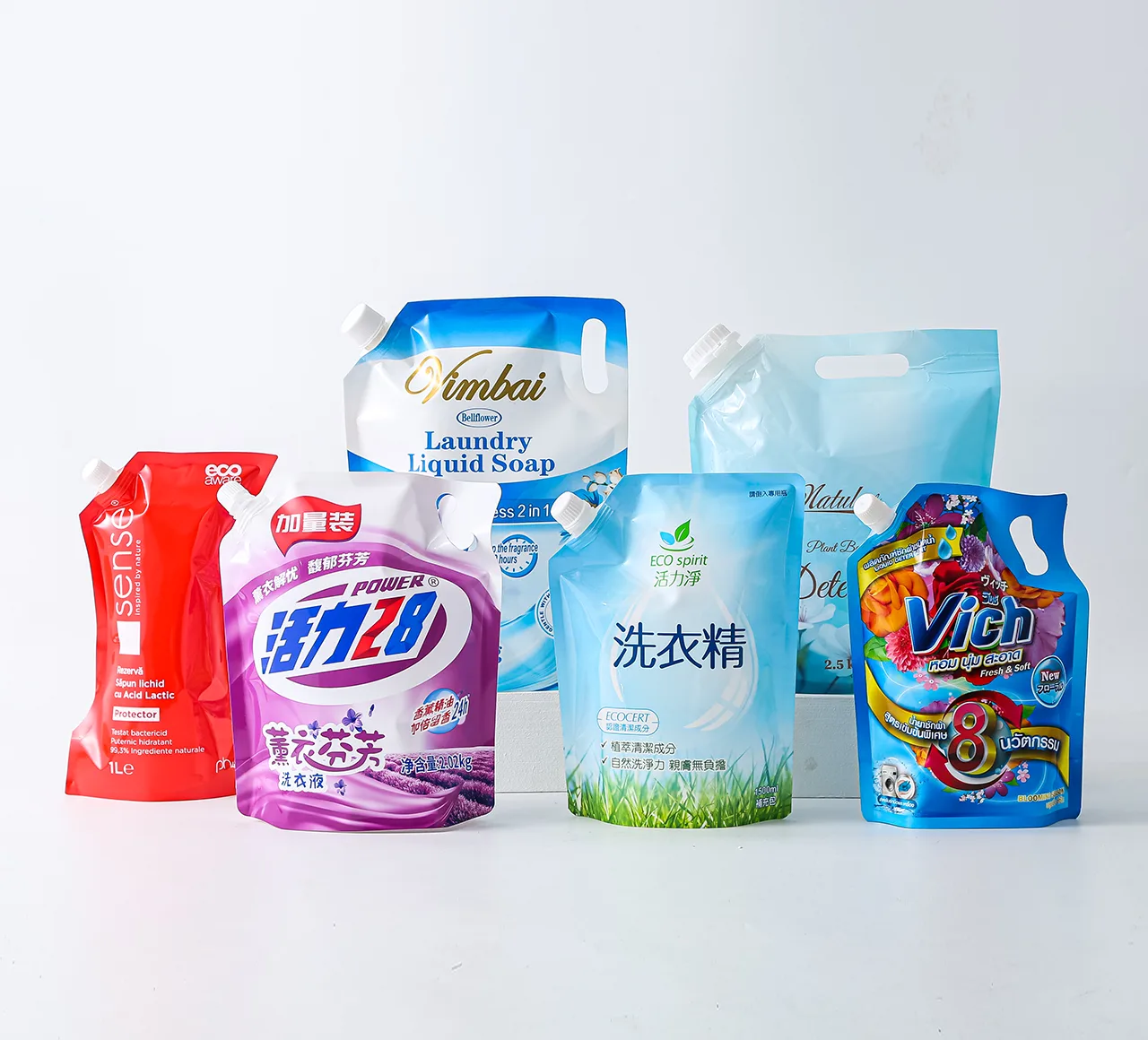
- Detergent refill pouches
- Sauce packaging
- Personal care liquids
- Industrial liquids
Industry Reality: What Most Buyers Overlook
There is a common misconception that tethered caps are the future of all packaging. This is inaccurate.
The reality is:
- Tethered caps are regulation-driven, not universally required
- Most pouch systems still rely on untethered designs
- Cost, compatibility, and production efficiency remain dominant factors
Forcing tethered design without a clear reason increases cost without improving functionality.
Buyer Decision Framework
Instead of asking “Which is better?”, Sanrun is bringing you a useful, structured approach:
1. Market Requirements
Is tethering required by regulation or customer expectation?
2. Product Behavior
Does the product benefit from cap retention or simple dispensing?
3. Cost Constraints
Can your margin absorb higher tooling and production complexity?
4. Production Compatibility
Will your filling and sealing systems support the chosen design?
Conclusion
Tethered and untethered spout caps are not competing upgrades—they are solutions for different constraints. Tethered designs prioritize compliance and cap retention, while untethered designs prioritize simplicity, cost efficiency, and production stability.
For most pouch-based products, untethered remains the practical default. Tethered becomes the correct choice only when regulation, market expectations, or brand positioning demand it.
The correct approach is not choosing what is trending, but selecting what aligns with your product, your market, and your manufacturing reality.
FAQ: Tethered Spout Cap vs. Untethered Spout Cap
Are tethered spout caps mandatory?
Only in specific markets and product categories. Most pouch packaging does not require tethered caps.
Do tethered caps affect dispensing?
Not significantly in flow rate, but they may influence handling comfort depending on design.
Are untethered caps outdated?
No. They remain the dominant solution in many industries due to simplicity and cost efficiency.
Which is better for refill pouches?
In most cases, untethered caps are more practical for refill applications.
Can both designs be customized?
Yes. Working with a professional spout cap supplier, like Sanrun, they can develop both tethered and untethered solutions based on your requirements.
About Sanrun – Your Reliable Untethered Pouch-Based Spout Cap Supplier
Sanrun is a professional B2B spout cap manufacturer specializing in untethered spout caps for flexible packaging applications. With a strong customer-oriented approach, we provide stable, cost-efficient solutions tailored to real production needs. All products are manufactured under strict quality control and meet relevant environmental and compliance standards.
For spout cap customization, we are providing:
- OEM/ODM pouch-based spout cap customization
- Mold development and optimization
- Material selection (PP, HDPE, etc.)
- Torque and sealing performance testing
- Bulk production capability
- Global export support