





El café recién tostado es un producto delicado y de gran valor. Desde el momento en que los granos salen del tostador, comienza una compleja serie de reacciones químicas que liberan gases, desarrollan sabores y exponen gradualmente el café a riesgos medioambientales. Para las marcas de café, los tostadores y los proveedores de envases, mantener la frescura durante el almacenamiento y el transporte es un reto crítico.
Aquí es donde las válvulas desgasificadoras unidireccionales desempeñan un papel fundamental.
En este artículo exploraremos la ciencia que hay detrás de la desgasificación del café, la función de las válvulas unidireccionales y por qué son indispensables en el envasado moderno del café. También examinaremos las consideraciones clave para que los compradores se abastezcan de un fabricante de válvulas de café fiable y cómo la solución adecuada puede mejorar la calidad del producto y el valor de la marca.
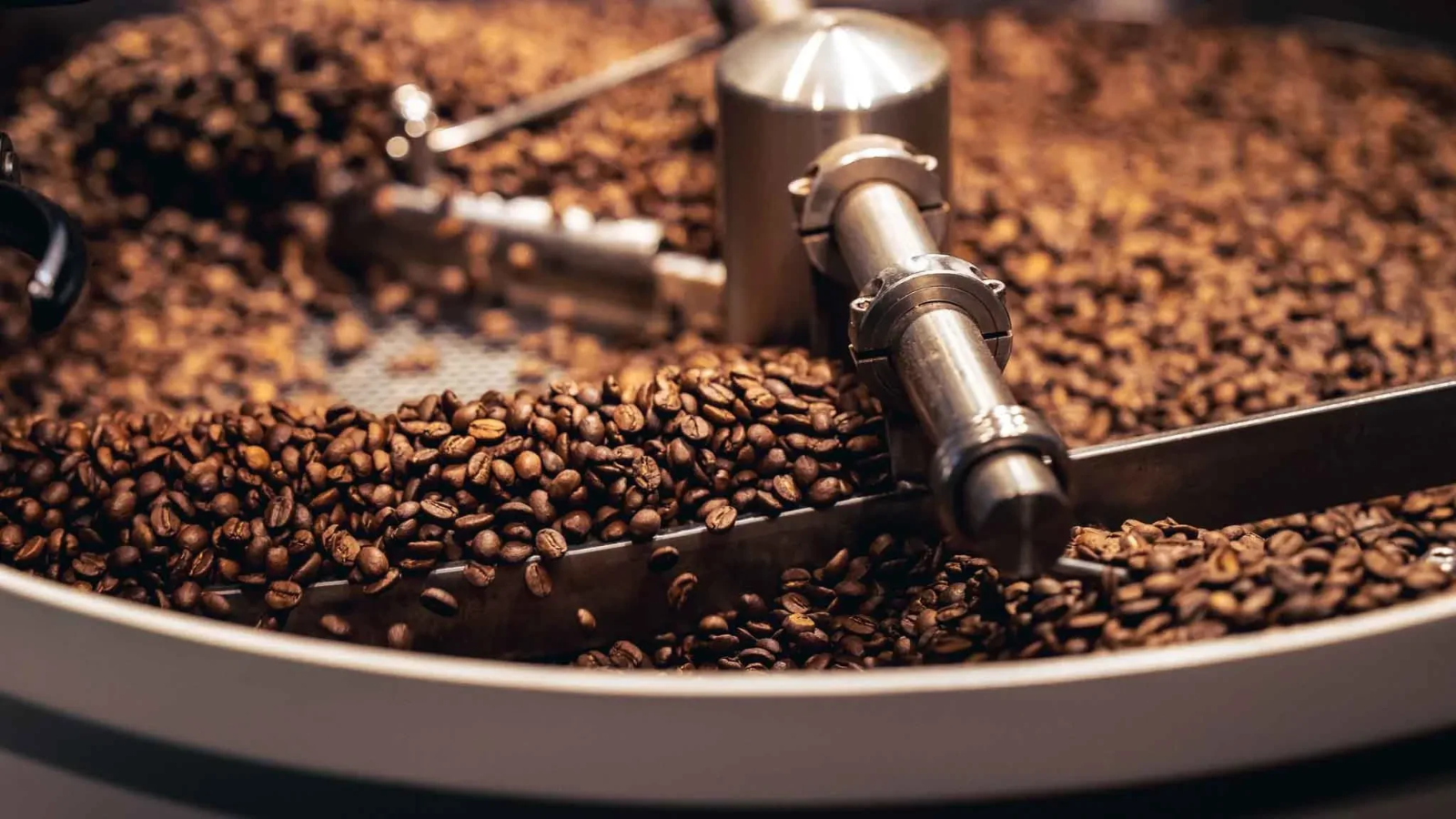
Comprender el café recién tostado: Un producto vivo
Explicación del proceso de desgasificación
Tras el tueste, los granos de café liberan dióxido de carbono (CO₂) como subproducto natural. Este proceso, conocido como desgasificación, comienza inmediatamente y puede continuar durante días o incluso semanas, dependiendo del nivel de tueste y de las condiciones de almacenamiento.
- Los tostados oscuros liberan gas más rápido
- Los asados ligeros se desgasifican más lentamente
- El café molido libera gases mucho más rápido que los granos enteros
En las primeras 24-72 horas, la liberación de CO₂ es máxima. Sin un envasado adecuado, esta acumulación de gas crea tanto riesgos como oportunidades.
Por qué es importante la desgasificación
La desgasificación no es sólo un detalle técnico: afecta directamente:
- Desarrollo del sabor y retención del aroma
- Integridad del envasado
- Estabilidad en almacén
Demasiado gas atrapado puede hacer que los envases se hinchen o revienten. Por otra parte, la liberación de gas sin protección expone el café al oxígeno, lo que acelera el enranciamiento.
Equilibrar estos factores es el principal reto.
¿Qué es una válvula unidireccional para café?
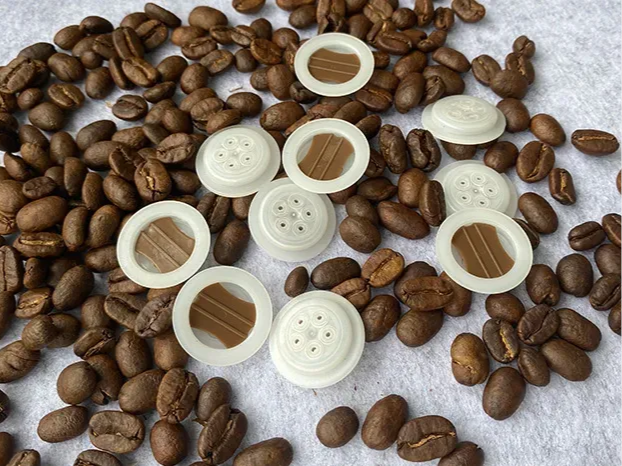
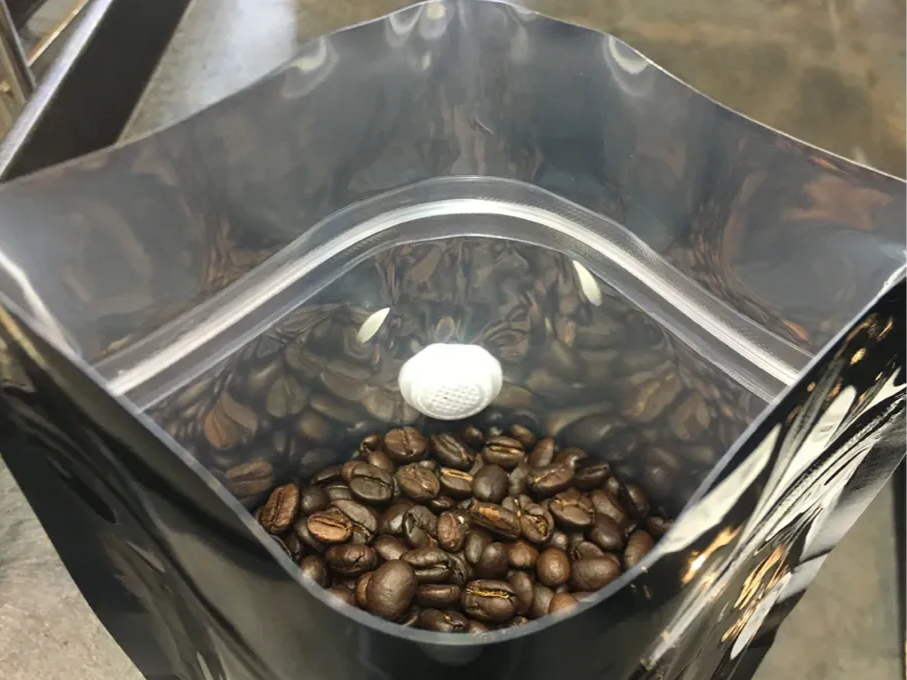
Una válvula desgasificadora unidireccional es un componente pequeño pero de alta ingeniería que se instala en los envases de café, normalmente en sacos o bolsas.
Cómo funciona
La válvula permite la salida de gases internos (CO₂) e impide la entrada de aire externo (oxígeno).
Funciones clave:
- Libera el exceso de presión del gas
- Evita la entrada de oxígeno
- Mantiene la frescura interna
Este sencillo mecanismo garantiza que el café se mantenga estable y protegido durante toda su vida útil.
Por qué las válvulas unidireccionales son esenciales para el café fresco
1. Evita que los paquetes se hinchen y revienten
Sin una válvula, la acumulación de CO₂ puede inflar las bolsas selladas, provocando:
- Envases deformados
- Fallo de la junta
- Daños en el producto durante el transporte
Para los compradores y distribuidores mayoristas, esto se traduce en mayores tasas de devolución y problemas logísticos.
A fiable fabricante de válvulas de café ofrece válvulas diseñadas con precisión que regulan la presión interna de forma eficaz, garantizando la integridad de los envases en todas las cadenas de suministro mundiales.
2. Protege contra el oxígeno y la humedad
El oxígeno es el principal enemigo de la frescura del café. Provoca:
- Oxidación de aceites
- Pérdida de aroma
- Sabor plano o rancio
Una válvula unidireccional actúa como barrera, permitiendo la salida del gas pero impidiendo la entrada de oxígeno. Esto ralentiza considerablemente el proceso de degradación.
Para las marcas que se abastecen en un proveedor de válvulas de café, La selección de válvulas con un rendimiento de estanquidad constante es fundamental para mantener la calidad del producto.
3. Conserva el aroma y el sabor
El café recién tostado contiene cientos de compuestos aromáticos volátiles. Estos son los responsables de la rica experiencia sensorial que esperan los consumidores.
Sin el embalaje adecuado:
- Los aromas se disipan rápidamente
- Disminuye la complejidad del sabor
- Se pierde la diferenciación del producto
Una válvula de alta calidad ayuda a retener estos compuestos estabilizando el entorno interno del envase.
4. Prolonga la vida útil
Con una integración adecuada de las válvulas, la vida útil del café puede prolongarse considerablemente sin comprometer la calidad.
Las prestaciones típicas incluyen:
- Ciclos de distribución más largos
- Reducción de los residuos de inventario
- Mayor satisfacción del cliente
Para los importadores y propietarios de marcas que trabajan con un mayorista de válvulas de café, Esto se traduce en una mayor rentabilidad y una mayor competitividad en el mercado.
5. Permite el envasado inmediato tras el tostado
Una importante ventaja operativa de las válvulas unidireccionales es que permiten envasar el café inmediatamente después del tueste.
Sin válvulas, los tostadores deben:
- Esperar a la desgasificación (retrasa la producción)
- Utilizar soluciones de almacenamiento temporal
Con válvulas:
- Envasado más rápido
- Mejora de la eficacia de la producción
- Reducción de los riesgos de manipulación
Esto es especialmente valioso para las grandes marcas de café OEM/ODM.
Tipos de válvulas unidireccionales para café
No todas las válvulas son iguales. Los compradores deben conocer las opciones disponibles.
1. Válvulas integradas
- Integrado directamente en el material de envasado
- Mayor durabilidad
- Diseño más limpio
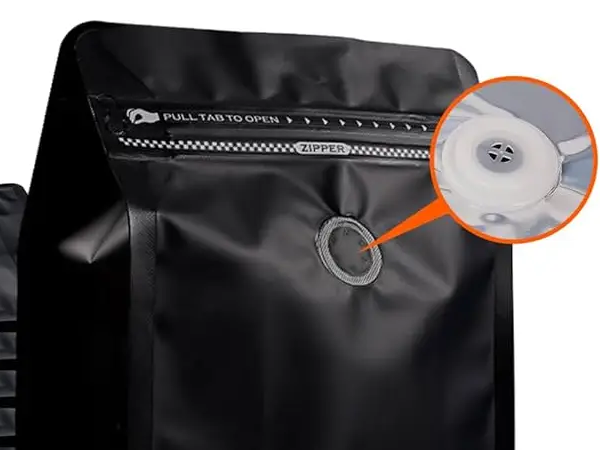
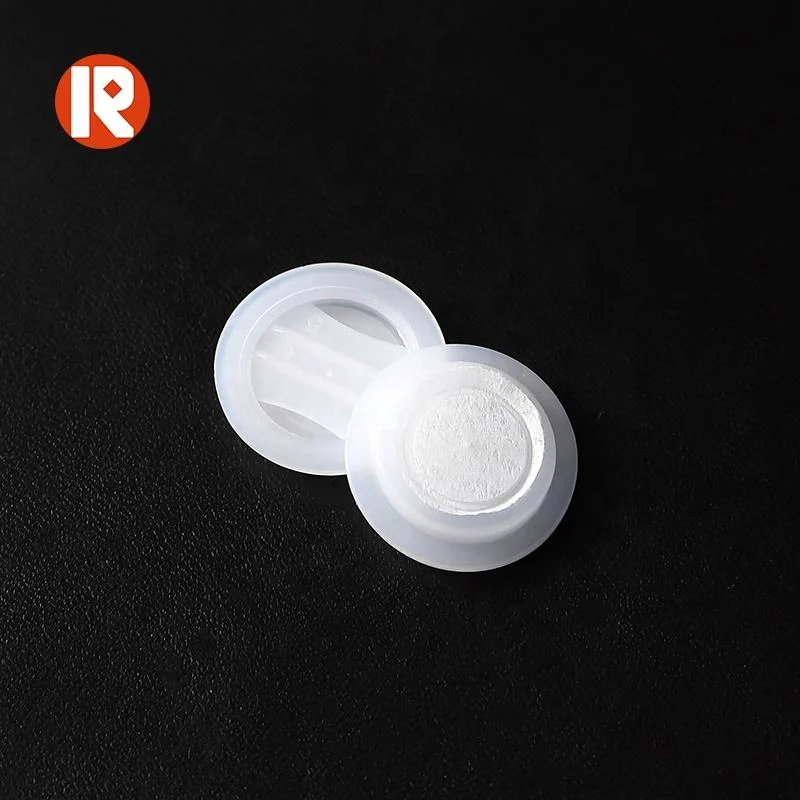
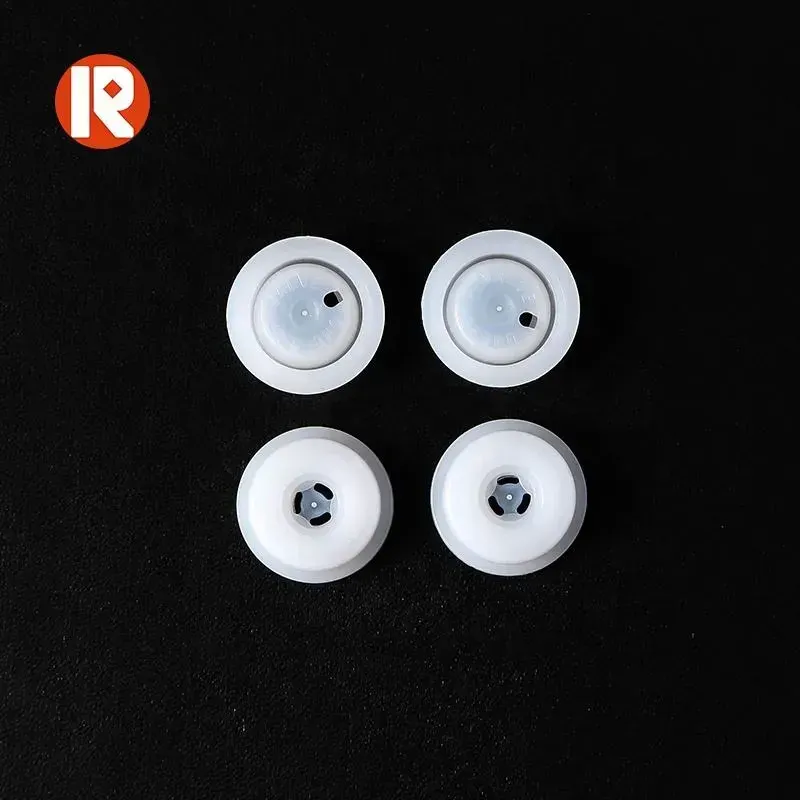
2. Válvulas con o sin filtro
- Las válvulas de filtro evitan la obstrucción por partículas finas de café
- Ideal para aplicaciones de café molido
Un profesional fabricante de válvulas de café a medida puede recomendarle la mejor configuración en función de su formato de envasado y tipo de producto.
Consideraciones clave al elegir un proveedor de válvulas para café
1. Precisión y consistencia del flujo de aire
El rendimiento de las válvulas debe ser constante en grandes lotes de producción. Las variaciones pueden provocar:
- Fallos de embalaje
- Calidad irregular de los productos
2. Seguridad y conformidad de los materiales
Garantizar que las válvulas cumplen las normas mundiales de seguridad alimentaria, como:
- FDA
- Normativa europea
3. Capacidad de personalización
Los principales fabricantes ofrecen:
- Diferentes tamaños y umbrales de caudal de aire
- Colores personalizados para la marca
- Compatibilidad con diversos materiales de envasado
4. Capacidad de producción y fiabilidad
Para los compradores B2B, la escalabilidad es importante. Un [fabricante de válvulas de café] de confianza debe ofrecer:
- Suministro estable a granel
- Plazos de entrega cortos
- Sólidos sistemas de control de calidad
Válvula unidireccional frente a sin válvula: Una comparación práctica
| Característica | Con válvula | Sin válvula |
|---|---|---|
| Liberación de gases | Controlado | Sin control |
| Protección del oxígeno | Sí | No |
| Vida útil | Ampliado | Acortado |
| Estabilidad del envasado | Alta | Riesgo de hinchazón |
| Retención de aromas | Excelente | Pobre |
Esta comparación muestra claramente por qué las válvulas se han convertido en el estándar de la industria para el envasado de café de primera calidad.
Aplicaciones más allá del café
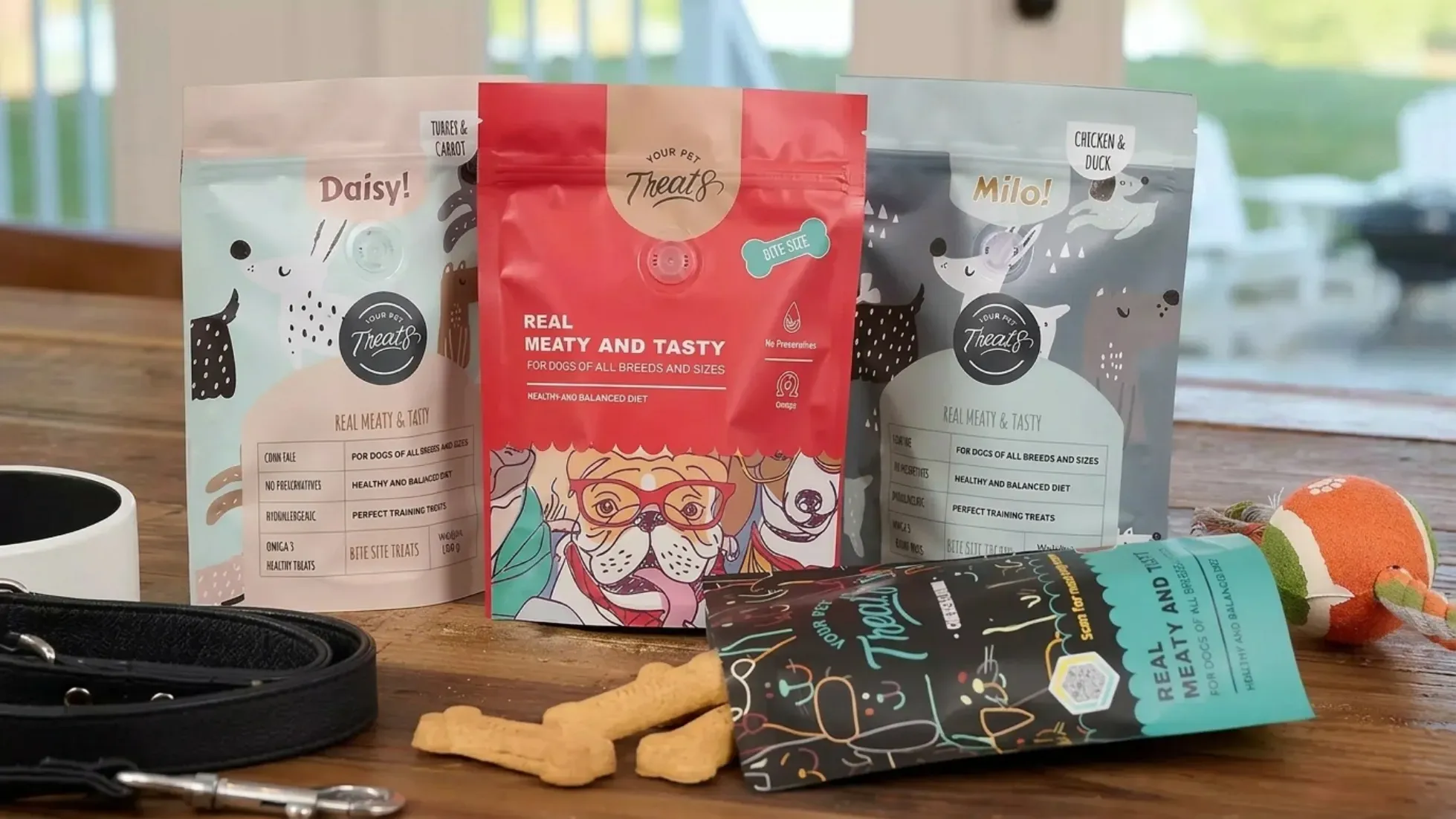
Aunque se utilizan principalmente en el envasado de café, las válvulas unidireccionales también se aplican en:
- Envasado de alimentos para animales de compañía
- Productos fermentados
- Polvos especiales
Esta versatilidad los convierte en un componente valioso en múltiples sectores.
Cómo añaden valor los fabricantes a la cadena de suministro
Trabajar con un [proveedor mayorista de válvulas de café] experimentado ofrece algo más que un componente: proporciona una solución completa.
Servicios OEM y ODM
- Diseños de válvulas a medida
- Optimización de la compatibilidad de los envases
Garantía de calidad
- Pruebas estrictas de flujo de aire y estanqueidad
- Control de la coherencia de los lotes
Experiencia mundial en exportación
- Cumplimiento de las normas internacionales
- Apoyo logístico eficaz
Estas capacidades ayudan a las marcas a racionalizar el aprovisionamiento y reducir el riesgo.
Tendencias futuras de las válvulas de envasado de café
El sector evoluciona rápidamente, con tendencias como:
- Materiales de válvula ecológicos y reciclables
- Diseños de transmisión de oxígeno ultrabaja
- Integración de envases inteligentes
Los fabricantes que invierten en I+D están mejor posicionados para apoyar a las marcas de café de nueva generación.

Conclusión: Por qué elegir Sanrun como su fabricante de tapones de caño
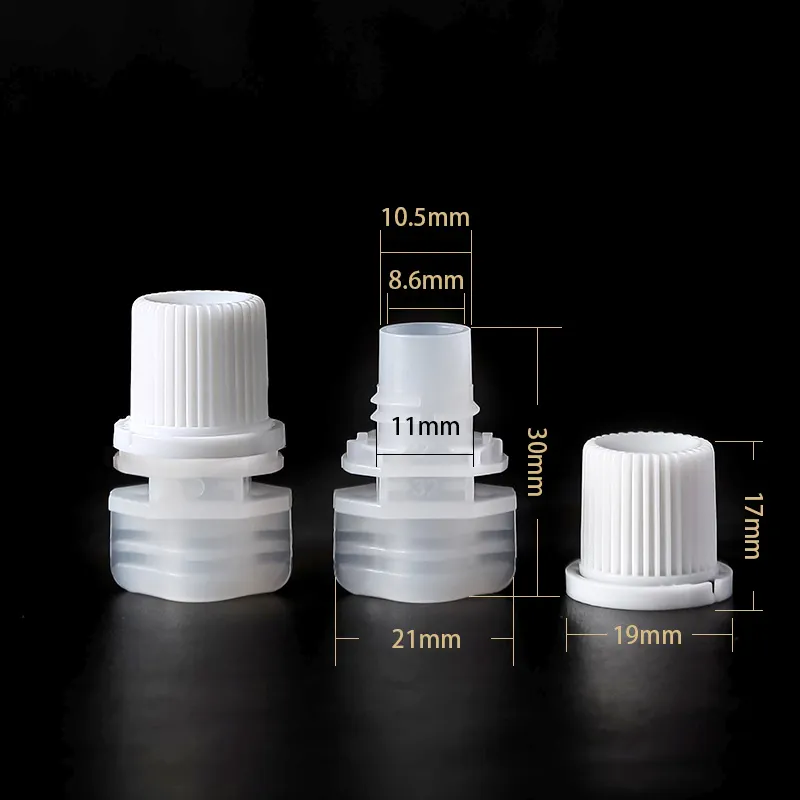
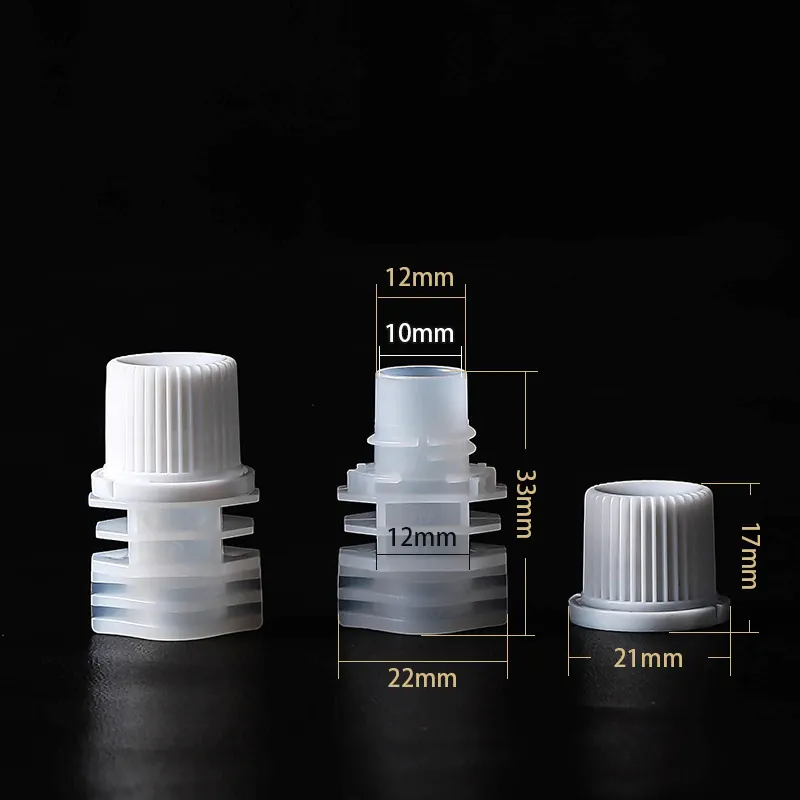
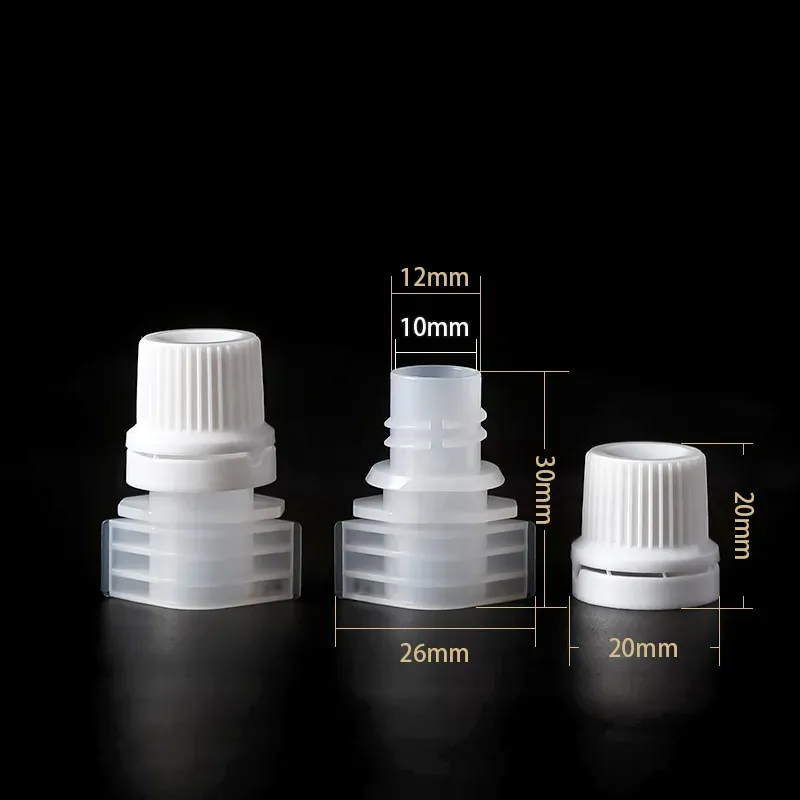
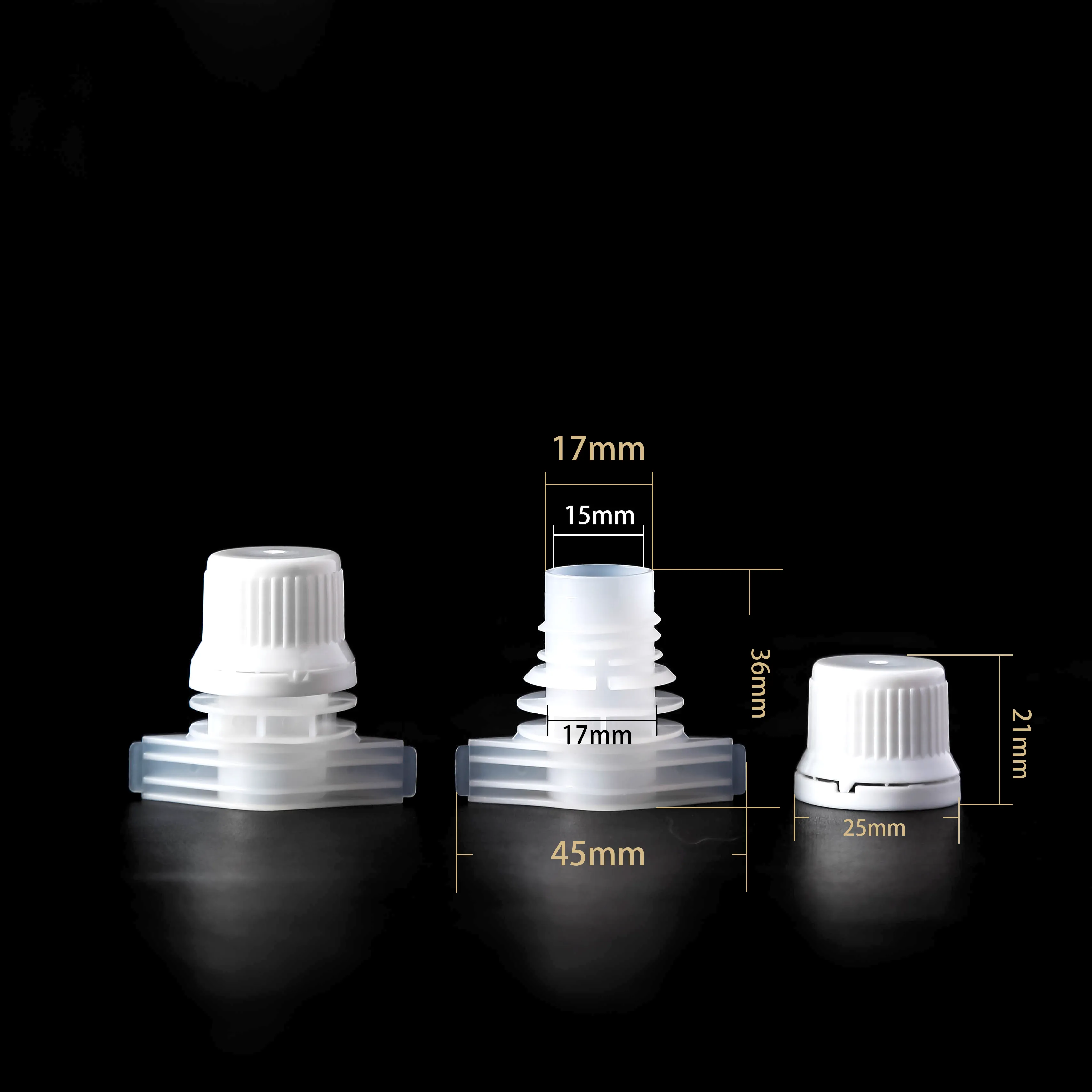
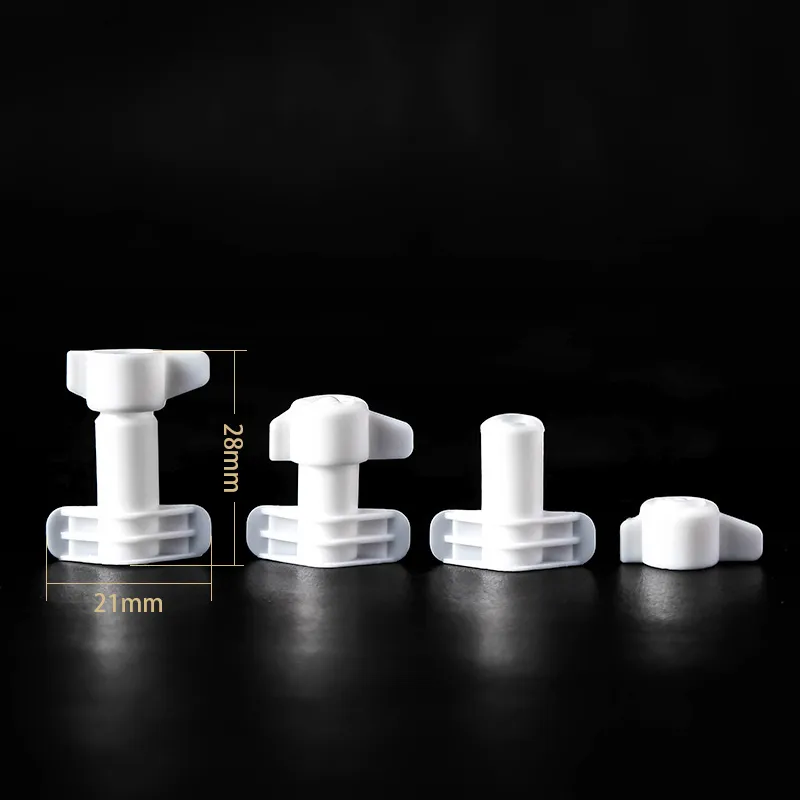
Seleccionar al socio adecuado para los componentes de envasado no es sólo cuestión de precio: es cuestión de fiabilidad, innovación y valor a largo plazo. En Sanrun, somos más que un proveedor de componentes. Somos una empresa orientada a las soluciones fabricante de tapones de caño comprometida a ayudar a las marcas mundiales a optimizar el rendimiento y la eficiencia de los envases.
Con años de experiencia en el sector y un fuerte enfoque en los servicios OEM/ODM, Sanrun apoya a mayoristas, importadores y propietarios de marcas con una producción escalable y de alta calidad y una personalización flexible.
Nuestras principales capacidades
- Amplia gama de productos
Tapones de pico de tamaño normal que cubren diversas aplicaciones, incluidos los envases de alimentos, bebidas y productos químicos de uso diario. - Personalización avanzada (OEM/ODM)
Soluciones a medida en tamaño, color, materiales, control de flujo y diseño estructural para satisfacer sus necesidades específicas de envasado. - Sólida capacidad de fabricación
Producción estable a granel con calidad constante, que garantiza un suministro fiable para pedidos mundiales a gran escala. - Estricto sistema de control de calidad
Procesos de pruebas en varias fases para garantizar el rendimiento del sellado, la durabilidad y el cumplimiento de las normas de seguridad alimentaria (normas FDA/UE). - Experiencia mundial en exportación
Servir a los mercados internacionales con una coordinación logística eficaz y un apoyo profesional a la exportación. - Soluciones integrales de envasado
Desde la consulta sobre el diseño hasta la producción y la entrega, agilizamos su proceso de aprovisionamiento y reducimos la complejidad operativa.
Como empresa de confianza fabricante de tapones de caño, fabricante de tapones de caño personalizados, y mayorista de tapones de caño, Sanrun se dedica a suministrar componentes de envasado que mejoran tanto la integridad del producto como el valor de la marca.
Tanto si lanza un nuevo producto como si amplía una línea existente, asociarse con Sanrun significa contar con un socio de fabricación fiable, innovador y preparado para el futuro.
Sección FAQ
¿Qué hace una válvula de café unidireccional?
Una válvula unidireccional para el café permite que el gas carbónico salga del café recién tostado e impide que entre oxígeno en el envase, preservando así su frescura.
¿Cuánto tiempo tardan los granos de café en liberar CO₂ tras el tueste?
Los granos de café pueden liberar CO₂ durante varios días o semanas, produciéndose la mayor desgasificación en las primeras 24-72 horas.
¿Se puede envasar el café sin válvula?
Sí, pero aumenta el riesgo de que se dañe el envase y se enrancie más rápidamente debido a la exposición al oxígeno.
¿Son necesarias las válvulas unidireccionales para el café molido?
Sí, sobre todo para el café molido, que libera gases más rápidamente y es más vulnerable a la oxidación.
¿Cómo elegir un proveedor de válvulas de café fiable?
Busque una calidad constante, opciones de personalización, cumplimiento de las normas de seguridad alimentaria y una gran capacidad de producción.