


Bulk ordering coffee valves involves more than comparing unit prices. Buyers need to confirm the valve specifications, compatibility with the intended coffee packaging, sample performance, manufacturing quality controls, and commercial terms before production begins.
A mismatch in any of these areas can lead to packaging problems, inconsistent product performance, delayed orders, or avoidable costs. For businesses sourcing from a coffee valve manufacturer, the objective is to establish clear requirements that both sides can verify before committing to production volume.
This guide outlines the key checks buyers should complete before placing a bulk order for coffee valves.
Confirm the Coffee Valve Specifications Before Ordering
The first step in coffee valve manufacturing procurement is to establish exactly which product is being ordered. Descriptions such as “one-way valve” or “coffee venting valve” may identify the general function, but they do not define every specification needed for production.
Before requesting a quotation or approving an order, confirm the following details with the supplier:
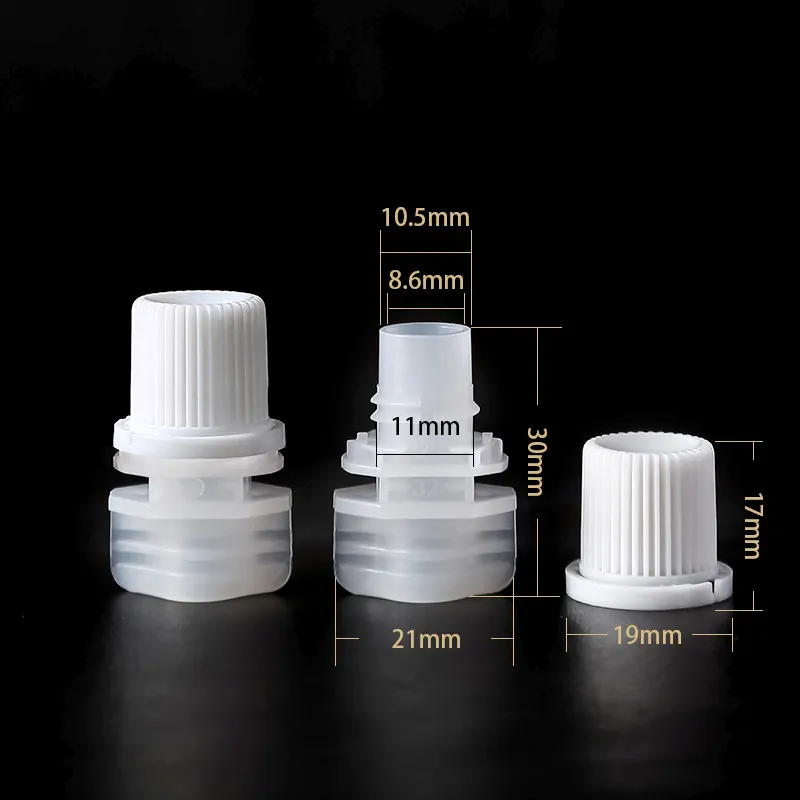
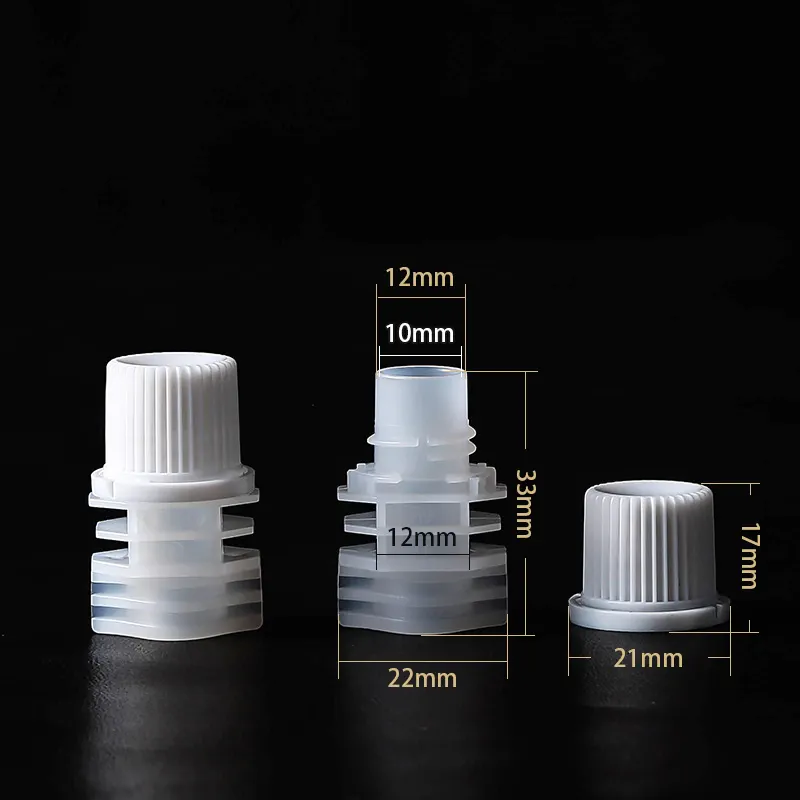
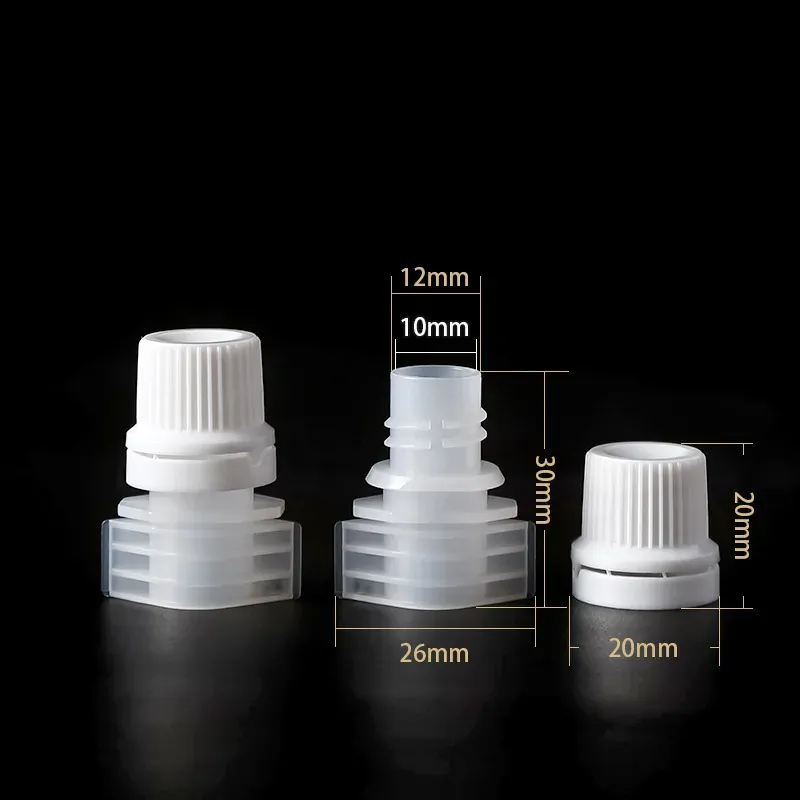
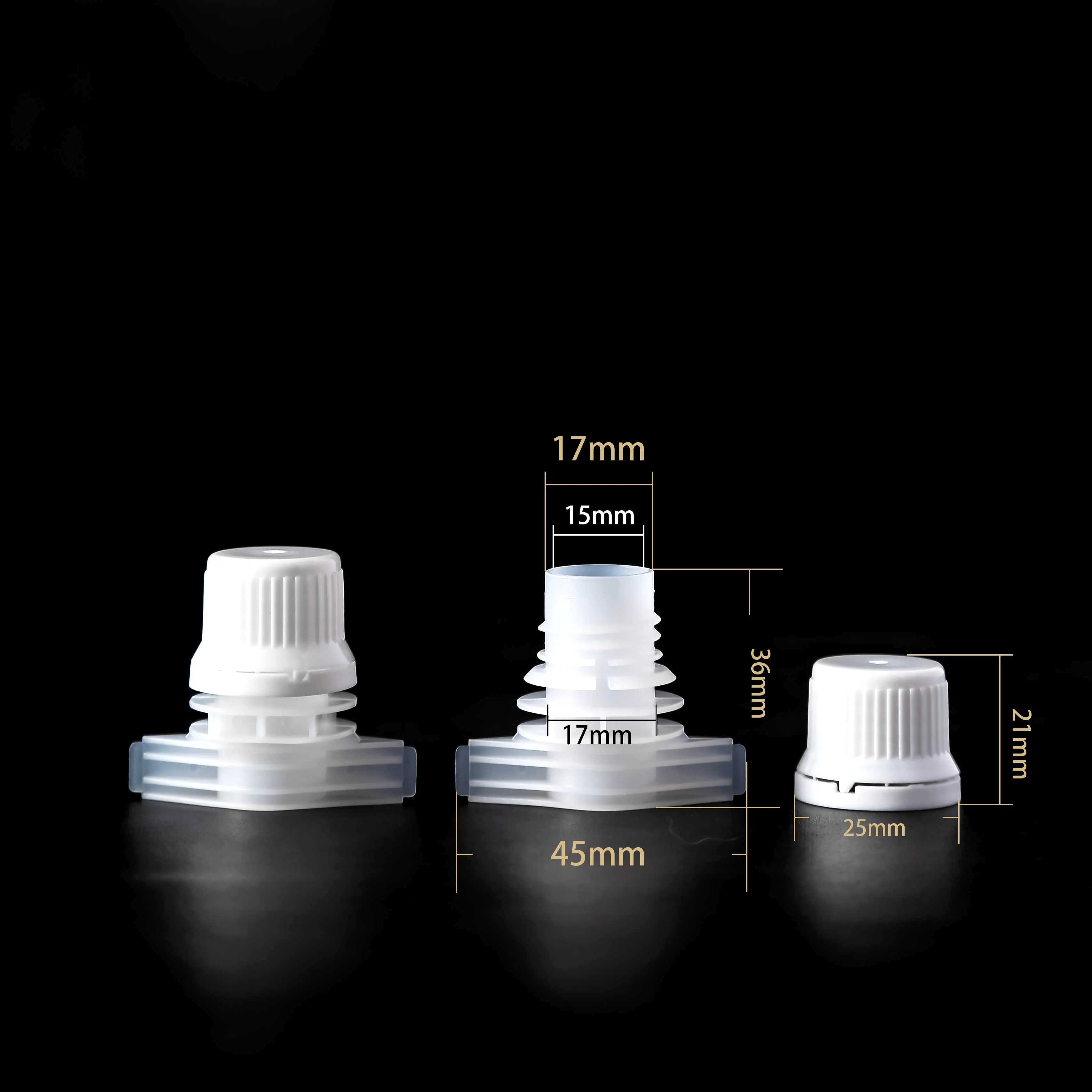
- Valve model and dimensions: Identify the selected model and confirm its relevant measurements against the intended packaging design.
- Material: Confirm the material used in the valve and any project-specific requirements.
- Configuration: Specify the required valve design and installation method.
- Application: Explain the coffee product and packaging format for which the valve will be used.
- Customization: Clarify whether the order uses a standard product or requires changes to the design or specifications.
Where available, use a technical drawing, product specification sheet, or written specification to avoid ambiguity. If the supplier uses its own model numbers, make sure the quoted model matches the sample and the final purchase order.
The important point is to avoid approving a bulk order based on a product name alone. A clear specification gives both parties a consistent reference for sampling, production, inspection, and delivery.


Verify Compatibility With the Coffee Packaging Structure
A coffee packaging valve must work with the bag structure and the process used to install it. Selecting a suitable component in isolation is not enough.
Before ordering a coffee packaging valve, provide the supplier with relevant information about the intended packaging, including the pouch format, material structure where known, available installation area, and whether the valve will be applied separately or incorporated during bag production.
Consider these questions:
- Is the valve compatible with the intended pouch structure?
- Is there sufficient space for the valve without interfering with seals, folds, or other packaging features?
- Does the installation method fit the packaging manufacturer’s production process?
- Does the selected configuration need to be tested on the actual or a representative bag?
These details matter because a valve that appears suitable by itself may create problems when combined with a particular packaging structure or installation process.
For example, if a valve’s intended position is close to a sealing area, the packaging team should confirm that the installation does not interfere with the seal or other required features. The exact placement and acceptance criteria depend on the bag design and production setup.
For a new packaging project, a representative trial can help identify compatibility problems before a large quantity of materials or finished bags is committed. Buyers can also review a guide to matching coffee degassing valves to coffee packaging for additional selection considerations.
Request Samples and Define How They Will Be Evaluated
A sample gives buyers an opportunity to assess the selected valve before approving a bulk order. However, simply receiving a sample is not enough. Buyers should agree on what the sample needs to demonstrate and how acceptance will be determined.
For a coffee one-way valve, relevant checks may include:
- One-way function: Confirm that the valve allows gas to escape as intended while limiting reverse airflow.
- Leakage and sealing: Assess whether the valve and its installation maintain the required sealing performance.
- Dimensional consistency: Check that the sample matches the agreed specifications.
- Attachment or installation: For valves applied to packaging, assess whether the valve remains securely attached under the intended conditions.
- Packaging compatibility: Where possible, test the valve on a representative pouch rather than evaluating it only as a separate component.
The appropriate tests depend on the valve design and the intended application. Buyers should agree on relevant acceptance criteria with the supplier instead of assuming that every valve requires the same test limits.
It is also important to distinguish sample approval from production approval. A sample can demonstrate that a configuration is suitable, but it does not prove that every unit in a later batch will perform identically. The approved sample should therefore be linked to a written specification and a defined quality-control process.
Our previous guide to common coffee valve defects and solutions discusses issues such as inconsistent opening pressure, leakage, and attachment problems. These are useful reference points when deciding which risks are relevant to a particular order.
Confirm Manufacturing Consistency and Quality Control
For bulk orders, manufacturing consistency matters as much as the initial sample. Small differences in materials, component dimensions, or assembly can affect valve function across a large production run.
When assessing coffee valve manufacturing, ask the supplier how quality is controlled at different stages and which checks apply to the selected product.
Questions to Ask About Quality Control
| Quality area | What buyers should confirm |
|---|---|
| Incoming materials | Are materials checked against the agreed requirements? |
| In-process inspection | Which dimensions or manufacturing characteristics are monitored? |
| Functional testing | Are relevant leakage, sealing, or valve-function checks performed? |
| Final inspection | What is inspected before shipment, and how is the inspection scope defined? |
| Records and traceability | Which inspection records or batch references can be provided? |
| Change control | How are changes to materials, components, or specifications communicated and approved? |
These questions help buyers move beyond broad statements such as “strict quality control.” A supplier should be able to explain the controls relevant to the product and clarify which records are available for the order.
It is also important to distinguish factory-level certifications from product-specific evidence. A management-system certification or a general company credential does not, by itself, establish that a particular valve configuration meets every requirement in the buyer’s destination market.
Where food-contact compliance is relevant, ask which documentation applies to the actual material and product, and whether it covers the intended market and use.
Agree on Bulk Order Quantity, Lead Time, and Commercial Terms
Even when the product and sample are acceptable, unclear commercial terms can create problems after an order is placed. Buyers should make sure that the quotation, approved specifications, and purchase order describe the same product and requirements.
Confirm the following before issuing the purchase order:
- Minimum order quantity (MOQ): Check the MOQ for the selected model, customization level, and order conditions.
- Pricing basis: Confirm the unit price, currency, quantity breaks, and any separate charges for samples, tooling, or customization.
- Lead time: Clarify whether the quoted schedule applies to stock products or requires new production.
- Packaging and shipment: Agree on packing quantities, shipping arrangements, delivery terms, and required documents.
- Approval deadlines: Establish when samples, drawings, or other specifications must be approved to keep the schedule on track.
- Specification changes: Confirm how changes after approval affect pricing, lead time, and production status.
Do not assume that a supplier’s general MOQ or delivery statement applies to every order. Stock availability, customization requirements, order quantity, and shipping arrangements can all affect the final terms.
Before production begins, cross-check the purchase order against the approved specification and sample reference. This final review can help prevent a situation where the buyer approves one configuration, but the order confirmation describes another.
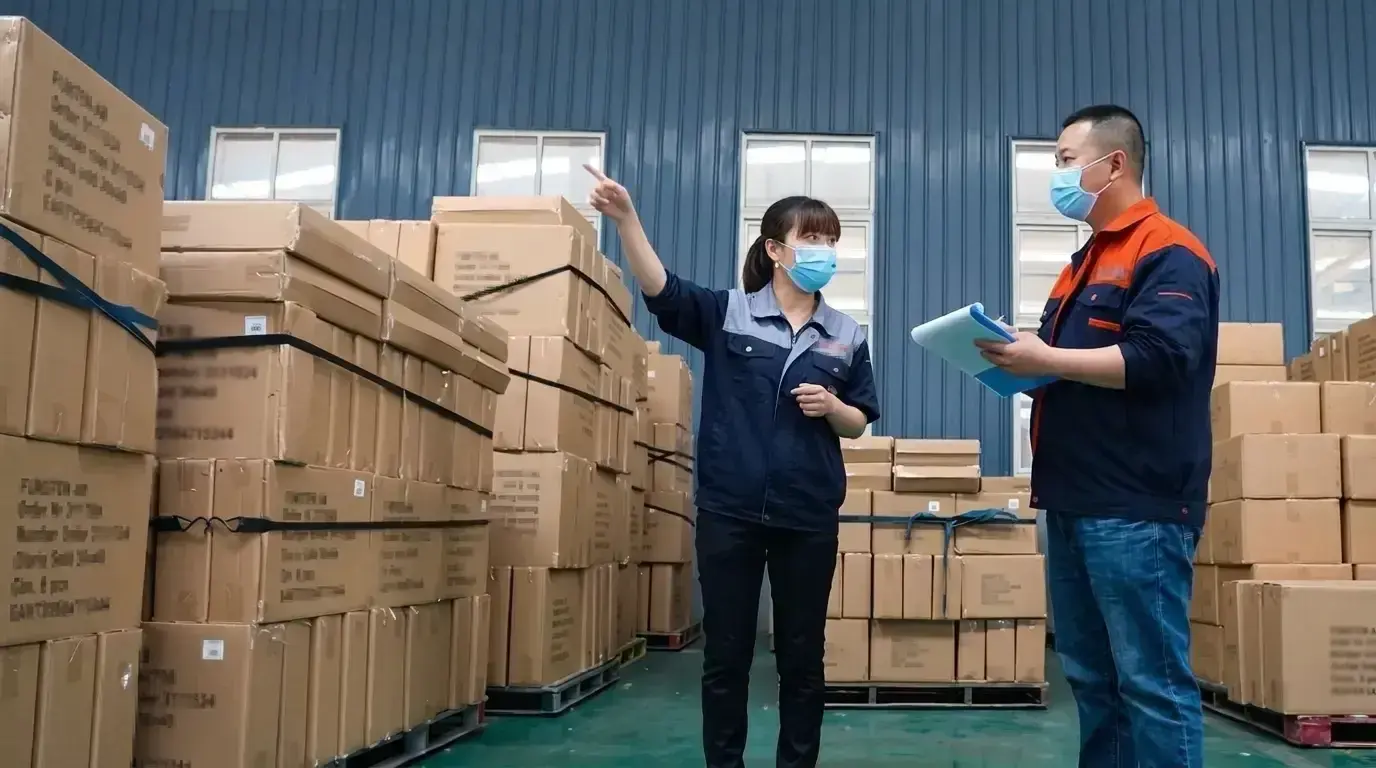
How to Evaluate a One-Way Valve Coffee Bags Supplier in China
When sourcing from a one-way valve coffee bags supplier in China, buyers should compare suppliers on more than price. A low quotation is not necessarily the most economical option if the product is incompatible, quality requirements are unclear, or communication problems delay production.
- Evaluate suppliers using a consistent set of criteria.
- Technical understanding. Can the supplier explain the product specifications and identify the information needed to assess compatibility with the packaging application?
- Sample and specification control. Can the supplier provide a sample and establish a clear reference for the approved product?
- Quality-control transparency. Can the supplier explain the relevant inspection steps and clarify what evidence is available?
- Manufacturing and supply capability. Can the supplier explain whether the order will be fulfilled from existing stock or scheduled production, and how the expected lead time is determined?
- Communication and change management. Does the supplier confirm requirements in writing and explain how changes to the product or order will be handled?
These criteria help buyers distinguish between a supplier that can provide a quotation and one that can support a clearly defined bulk-order process. They also make comparisons more meaningful: request quotations using the same specifications, quantity, quality requirements, and delivery conditions.
For example, two suppliers may quote different prices because they are offering different materials, product configurations, or inspection arrangements. Unless these differences are clarified, comparing unit prices alone may lead to the wrong decision.
Sanrun supplies coffee degassing valves for packaging applications and provides bulk-order and OEM/ODM options. Buyers can review our válvulas de desgasificación para café al por mayor, and discussion about the intended application, specification, and order requirements is welcome.
Pre-Order Checklist: What to Confirm Before Approving Production
Use this checklist to consolidate the key decisions before placing a bulk order.
| Confirmation area | What should be agreed |
|---|---|
| Product specification | Model, dimensions, material, and configuration |
| Packaging compatibility | Pouch structure, installation method, and relevant clearances |
| Sample approval | Approved sample reference, evaluation criteria, and acceptance decision |
| Control de calidad | Relevant inspections, acceptance requirements, and available records |
| Commercial terms | Quantity, pricing, lead time, packaging, and shipment conditions |
| Change management | How specification or production changes are reviewed and approved |
| Final documentation | Consistency between the specification, quotation, sample approval, and purchase order |
The checklist is most useful when both buyer and supplier work from the same documented requirements. It does not replace product-specific testing or applicable compliance requirements, but it helps ensure that important decisions are not left unresolved when production starts.
Conclusion: Confirm the Requirements Before Committing to Volume
Successful bulk purchasing begins with clear specifications, verified packaging compatibility, defined sample acceptance criteria, and an understanding of the manufacturer’s quality-control process. Buyers should also confirm the MOQ, lead time, and commercial terms for the exact product they intend to order.
For businesses evaluating coffee valve manufacturing suppliers, the objective is not simply to find the lowest unit price. It is to establish a product and production arrangement that meets the packaging requirements and can be assessed against agreed criteria.
Sanrun provides válvulas de desgasificación para café al por mayor and OEM/ODM support. Buyers can contact Sanrun to discuss their packaging application, confirm available product options, and clarify the requirements for a bulk order.
Why Choose Sanrun for Your Coffee Valve Order Manufacturing?

Choosing a coffee valve manufacturer requires more than comparing unit prices. Buyers need dependable production capacity, consistent product quality, and a supplier that can support bulk orders and specific packaging requirements.
Sanrun supports packaging buyers with the following manufacturing capabilities:
- 🏭Scalable production capacity: With a stated monthly production capacity of 50–80 million pieces, Sanrun is equipped to support large-volume packaging component orders.
- 🔍Quality control throughout production: Our quality control process includes incoming material inspection, in-process checks, leak-proof and torque testing, and final random inspection before shipment.
- 🛠️Manufacturing and customization expertise: An in-house mold design and engineering team provides CAD design and prototyping support, helping customers evaluate customized packaging component requirements.
- 📦Production and inventory support: Sanrun lists a standard lead time of 7–15 days for stock items, safety stock for common models, and dedicated production lines for large-volume orders. Confirm the applicable lead time and inventory status for your selected coffee valve before ordering.
- 🌍Experience serving international markets: With exports to more than 30 countries, our expert team has experience supplying packaging components to customers across North America, Europe, Australia, and Asia.
Para los compradores coffee degassing valves in bulk, our capabilities provide a practical starting point for supplier evaluation. Before confirming an order, discuss your valve specifications, coffee bag compatibility, sample testing requirements, order quantity, and delivery schedule with our experts.