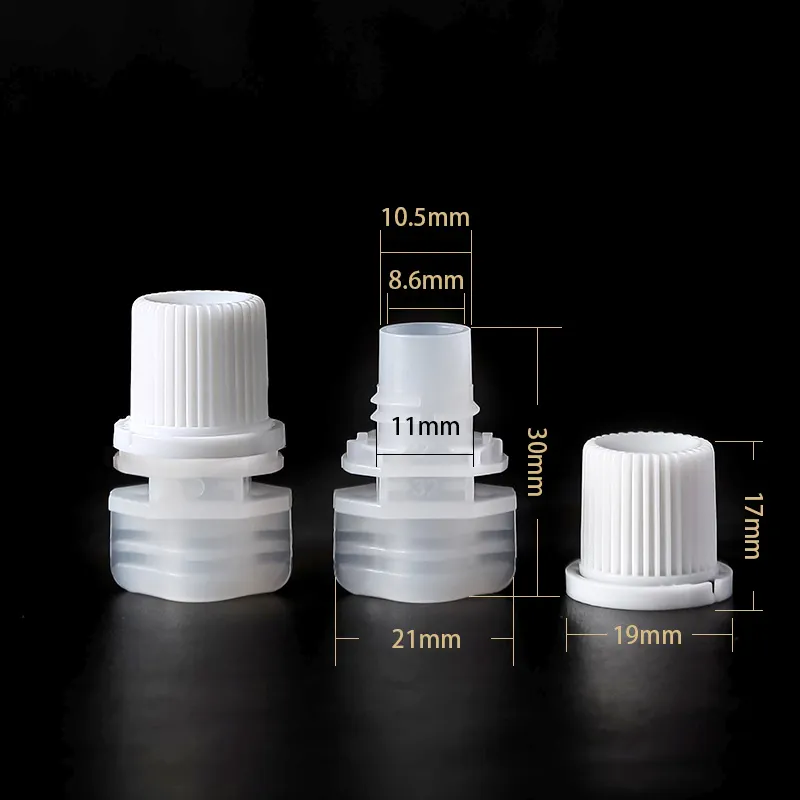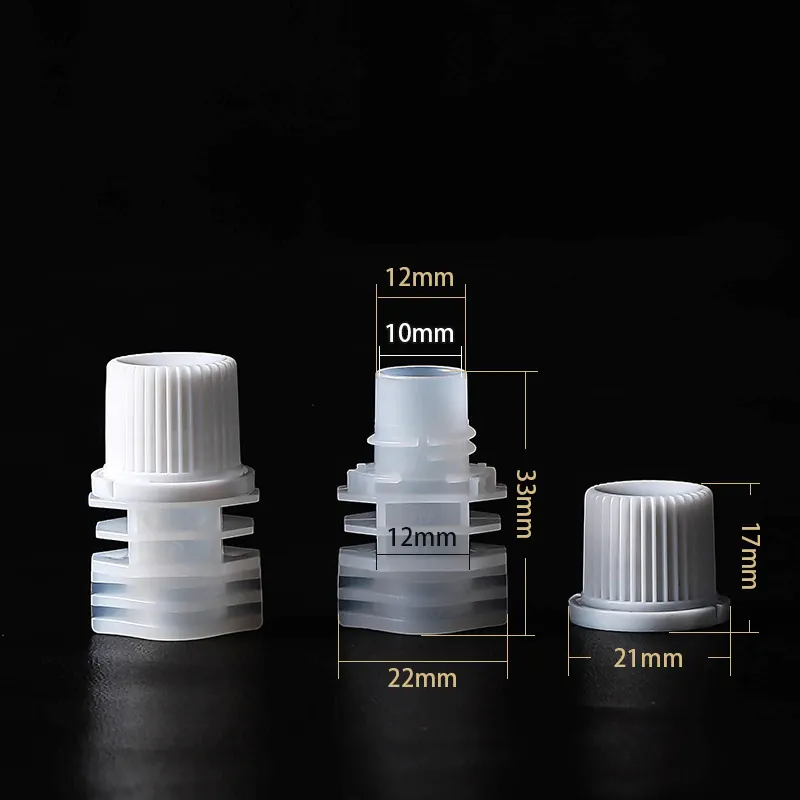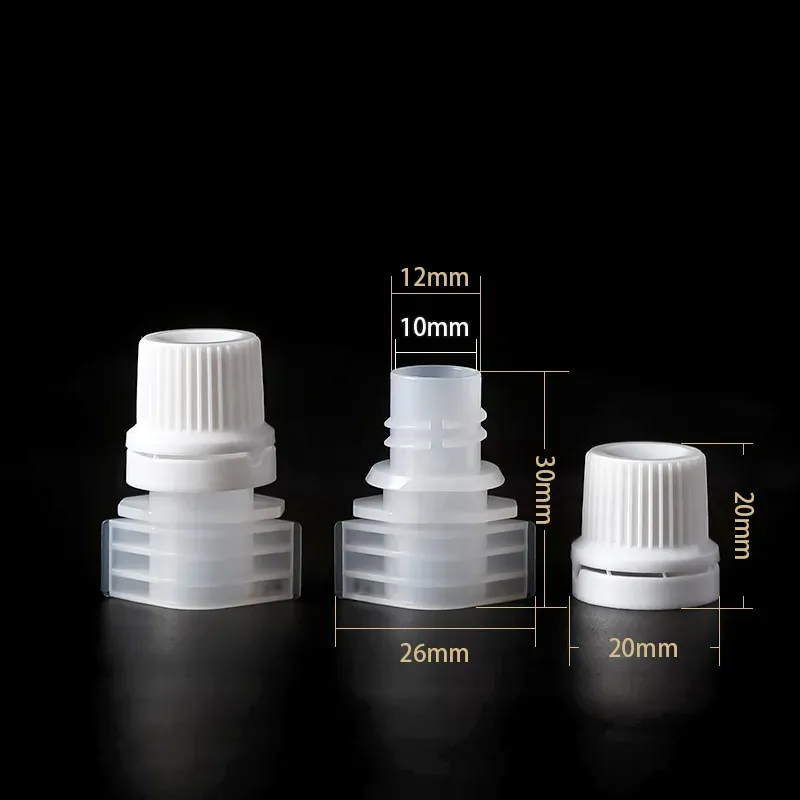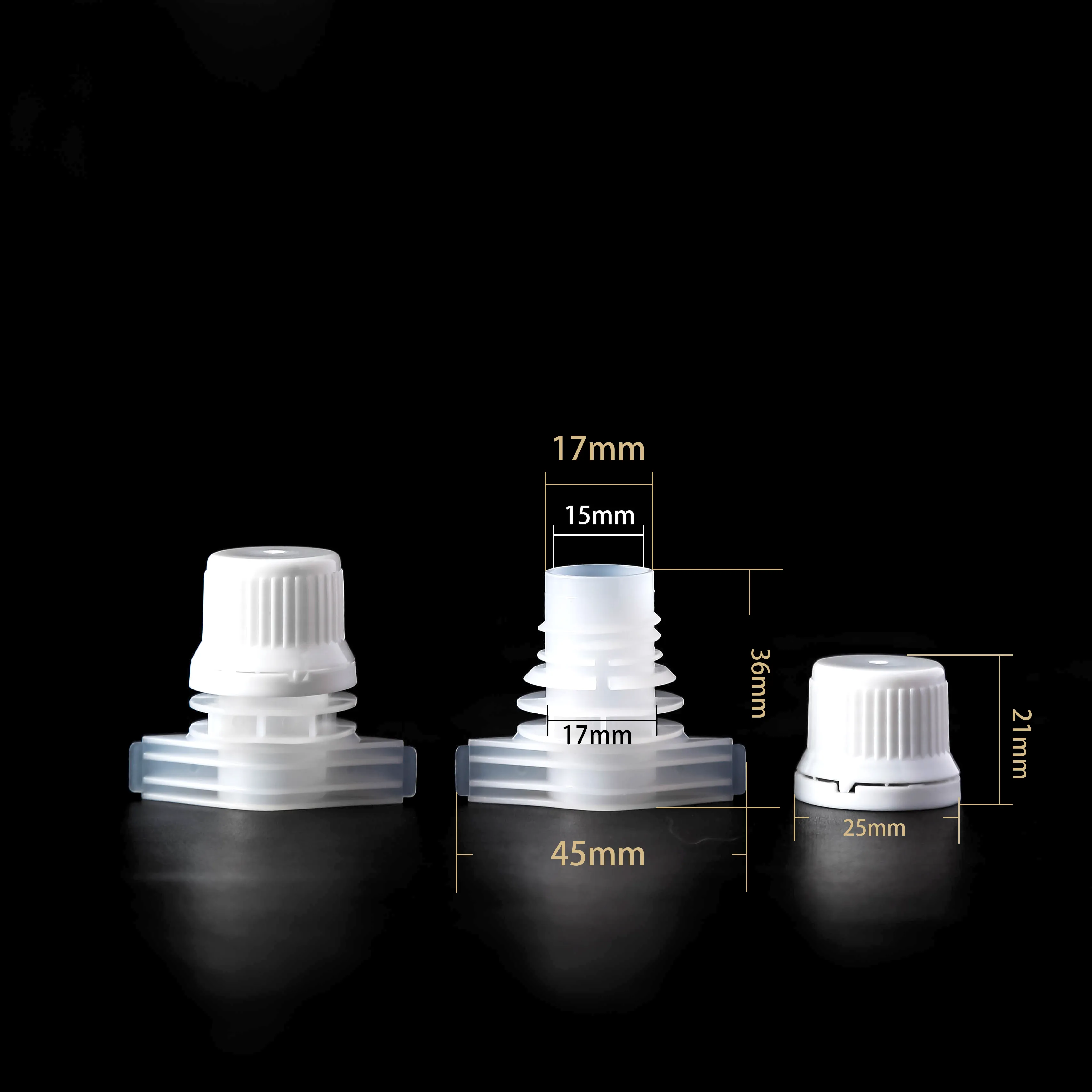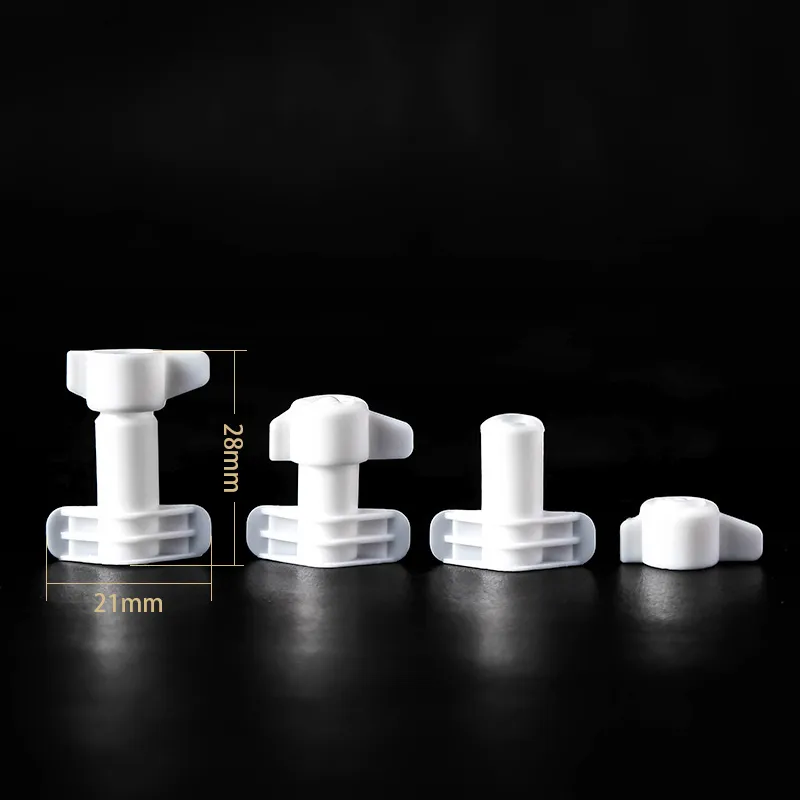







Las fugas de líquido son uno de los fallos más habituales en los envases, lo que provoca pérdidas de producto, daños durante el transporte y reclamaciones de los clientes. Ya se trate de envases de bebidas, detergentes, productos de higiene personal o líquidos industriales, la eficacia del sellado de un tapón con boquilla afecta directamente a la calidad del producto y a la reputación de la marca.
Una tapa con boquilla verdaderamente hermética es el resultado de la combinación de múltiples elementos de diseño, y no solo de una tapa más ajustada. El diseño de la rosca, las estructuras de sellado, la selección de materiales, la precisión en la fabricación y las pruebas de calidad contribuyen en su conjunto a garantizar un sellado fiable.
El señor Sanrun explica los principios fundamentales que rigen el diseño de los tapones antiderrame y cómo elegir el más adecuado fabricante de tapones de caño puede contribuir a garantizar la fiabilidad del embalaje a largo plazo.
Por qué es importante la protección contra fugas
Un tapón con boquilla a prueba de fugas protege mucho más que el producto que hay dentro de la bolsita.
Evitar la pérdida de productos
Incluso las fugas más pequeñas pueden provocar el desperdicio de producto, un aumento de los costes de sustitución y la insatisfacción de los clientes.
Mantener la frescura del producto
Un sellado fiable ayuda a evitar que el aire, la humedad y los contaminantes penetren en el envase, lo que permite mantener la calidad del producto durante todo su plazo de conservación.
Reducir los daños ocasionados durante el transporte
Durante el transporte, los envases están expuestos a vibraciones, a la presión del apilamiento y a cambios de temperatura. Un sistema de sellado seguro minimiza los riesgos de fugas a lo largo de toda la cadena de suministro.
Mejorar la satisfacción de los consumidores
Los consumidores esperan que los envases se abran con facilidad y, al mismo tiempo, sean seguros durante su almacenamiento y uso repetido. Un rendimiento de sellado constante mejora tanto la comodidad como la confianza en la marca.
Principios básicos de diseño de un tapón antiderrame para boquilla
Diseño de roscas de precisión
El acoplamiento roscado es la primera línea de defensa contra las fugas. Una rosca diseñada correctamente distribuye la fuerza de apriete de manera uniforme y mantiene un sellado estable tras repetidas operaciones de apertura y cierre.
En función de la aplicación, los fabricantes pueden utilizar:
- Roscas de un solo paso para productos líquidos estándar
- Hilos de inicio múltiple para una apertura más rápida y una mayor comodidad para el usuario
- Perfiles de rosca personalizados para aplicaciones especializadas
Las dimensiones precisas de la rosca son igualmente importantes, ya que unas tolerancias inadecuadas pueden provocar que la rosca se estropee o que el sellado sea insuficiente.
Estructuras de sellado fiables
La interfaz de sellado es donde realmente se evita la fuga.
Entre los diseños de sellado más habituales se encuentran:
- Juntas internas del tapón
- Juntas de compresión superiores
- Estructuras de doble sellado
- Anillos de sellado integrados
La elección de la estructura de sellado adecuada depende de la viscosidad del producto, la presión de llenado, las condiciones de transporte y el uso que le dé el consumidor.
Geometría optimizada de la tapa
Una tapa bien diseñada distribuye la tensión de manera uniforme por toda la estructura.
Entre los aspectos clave a tener en cuenta se incluyen:
- Espesor uniforme de la pared
- Zonas de rosca reforzadas
- Resistencia estructural equilibrada
- Superficies de sellado lisas
Estas características reducen la deformación y mejoran la uniformidad del sellado durante un uso prolongado.
Moldeo por inyección de precisión
Ni siquiera un diseño excelente puede funcionar correctamente sin una fabricación precisa.
El moldeo por inyección de alta calidad garantiza:
- Dimensiones uniformes
- Perfiles de rosca precisos
- Superficies de sellado lisas
- Mínimo destello y deformación
La fabricación de precisión mejora considerablemente la fiabilidad del sellado en lotes de producción de gran volumen.
Selección de materiales para garantizar la estanqueidad
Las propiedades de los materiales influyen directamente en el rendimiento del sellado, la durabilidad y la compatibilidad con los productos envasados.
Polipropileno (PP)
El PP se utiliza ampliamente en tapones con boquilla para alimentos, bebidas y cosméticos debido a:
- Gran rigidez
- Excelente estabilidad dimensional
- Buena resistencia química
- Producción rentable
Su rigidez contribuye a mantener un acoplamiento constante de la rosca y un rendimiento de estanqueidad constante.
Polietileno de alta densidad (HDPE)
El HDPE se suele elegir para aplicaciones domésticas e industriales porque ofrece:
- Resistencia superior a los impactos
- Excelente resistencia a las grietas por tensión
- Excelente compatibilidad química
Estas características hacen que el HDPE sea adecuado para detergentes, productos de limpieza y líquidos químicos.
Compatibilidad de materiales
La elección del material adecuado es fundamental para mantener el rendimiento de la estanqueidad a largo plazo.
Los fabricantes deberían tener en cuenta lo siguiente:
- Formulación del producto
- Temperatura de llenado
- Compatibilidad química
- Condiciones de almacenamiento
- Vida útil prevista
Una selección adecuada de los materiales minimiza la deformación, la dilatación y los fallos de estanqueidad.
Factores que influyen en el rendimiento del sellado de las tapas de los bocales
Incluso el tapón con boquilla mejor diseñado puede fallar si no se tienen en cuenta las condiciones de funcionamiento.
Temperatura de llenado
Los productos envasados en caliente pueden provocar una expansión temporal del material, por lo que es fundamental elegir el material adecuado.
Presión interna del envase
Los productos carbonatados o sensibles a la presión requieren estructuras de sellado más resistentes y diseños de roscas optimizados.
Viscosidad del producto
Los líquidos fluidos pueden filtrarse a través de huecos muy pequeños, mientras que los líquidos espesos ejercen una mayor presión sobre las estructuras de dosificación.
Condiciones de transporte
El transporte a larga distancia somete al embalaje a vibraciones, compresión e impactos. Los tapones deben resistir estas condiciones sin perder la integridad del sellado.
Apertura y cierre repetidos
Las bolsas reutilizables requieren hilos resistentes y superficies de sellado que mantengan su rendimiento tras múltiples ciclos de uso.
Métodos de ensayo de los tapones antiderrame para boquillas
Los fabricantes de confianza comprueban el rendimiento de las juntas mediante pruebas exhaustivas.
Pruebas de estanqueidad
Las pruebas de presión positiva y de vacío evalúan la integridad del sellado en diferentes condiciones.
Pruebas de par
Se miden los pares de apertura y cierre para garantizar tanto la comodidad del consumidor como un sellado seguro.
Pruebas de caída
Los envases llenos se dejan caer desde alturas determinadas para evaluar el rendimiento del sellado tras el impacto.
Ensayo de compresión
Los paquetes se someten a una presión de apilamiento para simular el transporte y el almacenamiento en almacén.
Inspección del acoplamiento de la rosca
Se comprueban las dimensiones de la rosca y la precisión del acoplamiento para evitar que la rosca se estropee y se produzcan fugas.
Inspección dimensional
Se miden las dimensiones críticas para garantizar una calidad de fabricación constante.
Cómo diseña Sanrun tapones para boquillas fiables y a prueba de fugas
En Sanrun, la prevención de fugas se tiene en cuenta en todas y cada una de las fases del desarrollo y la fabricación de los productos.
Ingeniería de moldes de precisión
Diseñamos moldes de alta precisión para conseguir perfiles de rosca, superficies de sellado y precisión dimensional uniformes en cada ciclo de producción.
Asistencia en la selección de materiales
Nuestro equipo de ingeniería recomienda los materiales adecuados de PP o HDPE en función de la formulación del producto, las condiciones de llenado y los requisitos de la aplicación.
Optimización de la estructura a prueba de fugas
Optimizamos el acoplamiento de las roscas, la geometría de sellado y la estructura de la tapa para mejorar la fiabilidad del sellado con distintos productos líquidos.
Inspección exhaustiva de calidad
Cada lote de producción se somete a estrictos controles de calidad, que incluyen pruebas de estanqueidad, pruebas de par de apriete, inspección dimensional y verificación del aspecto, con el fin de garantizar un rendimiento constante.
Personalización OEM y ODM
Como profesional con experiencia fabricante de tapones de caño, ofrecemos diseños de roscas, estructuras de sellado, colores y soluciones de marca personalizados para satisfacer los requisitos específicos del envasado de alimentos, bebidas, productos para el hogar, cosméticos e industriales. Además, nos encargamos de la producción a gran escala y la distribución a nivel mundial como proveedor de confianza mayorista de tapones de caño.
Conclusión
Un tapón antiderrame eficaz combina un diseño de rosca de precisión, estructuras de sellado optimizadas, materiales adecuados, una fabricación precisa y rigurosas pruebas de calidad. Cada uno de estos elementos contribuye a garantizar un sellado fiable durante el llenado, el transporte, el almacenamiento y el uso por parte del consumidor.
En Sanrun, combinamos la ingeniería de moldes de precisión, un control de calidad exhaustivo y la personalización OEM/ODM para desarrollar soluciones de tapones con boquilla a prueba de fugas para una amplia gama de aplicaciones de envasado de líquidos. Tanto si necesitas un cierre estándar como un diseño totalmente personalizado, colaborar con una empresa con experiencia fabricante de tapones de caño personalizados contribuye a mejorar la fiabilidad del embalaje y a proteger tu marca.
PREGUNTAS FRECUENTES
¿Qué hace que un tapón con boquilla sea a prueba de fugas?
Un tapón con boquilla a prueba de fugas combina roscas de precisión, estructuras de sellado fiables, materiales adecuados y tolerancias de fabricación estrictas.
¿Qué diseño de rosca ofrece el mejor rendimiento de estanqueidad?
No existe una solución universal. Los diseños de rosca de un solo paso, de varios pasos o personalizados deben seleccionarse en función del producto, el proceso de llenado y los requisitos de sellado.
¿Qué materiales son los más adecuados para las tapas de boquilla a prueba de fugas?
El PP se utiliza habitualmente en productos alimentarios y cosméticos, mientras que el HDPE es el material preferido para aplicaciones domésticas y químicas que requieren una mayor resistencia al impacto y a los productos químicos.
¿Cómo se prueban los tapones de boquilla a prueba de fugas?
Los fabricantes suelen realizar ensayos de estanqueidad, par de apriete, caída, compresión y dimensiones para verificar el rendimiento del sellado.
¿Se pueden personalizar los tapones antiderrame para boquillas?
Sí. Los perfiles de rosca, las estructuras de sellado, los tamaños de los tapones, los colores y la imagen de marca pueden personalizarse para adaptarse a los requisitos específicos de envasado.
¿Cómo elijo el tapón adecuado para líquidos de alta viscosidad?
Busca diseños con aberturas de dosificación más amplias, estructuras de sellado optimizadas y perfiles de rosca que garanticen un sellado seguro y, al mismo tiempo, faciliten la dosificación.
¿A qué se deben las fugas en los tapones de los embudos durante el transporte?
Entre las causas más comunes se encuentran un mal acoplamiento de la rosca, un diseño de sellado inadecuado, la deformación del material, un par de apriete incorrecto y tolerancias de fabricación inconsistentes.