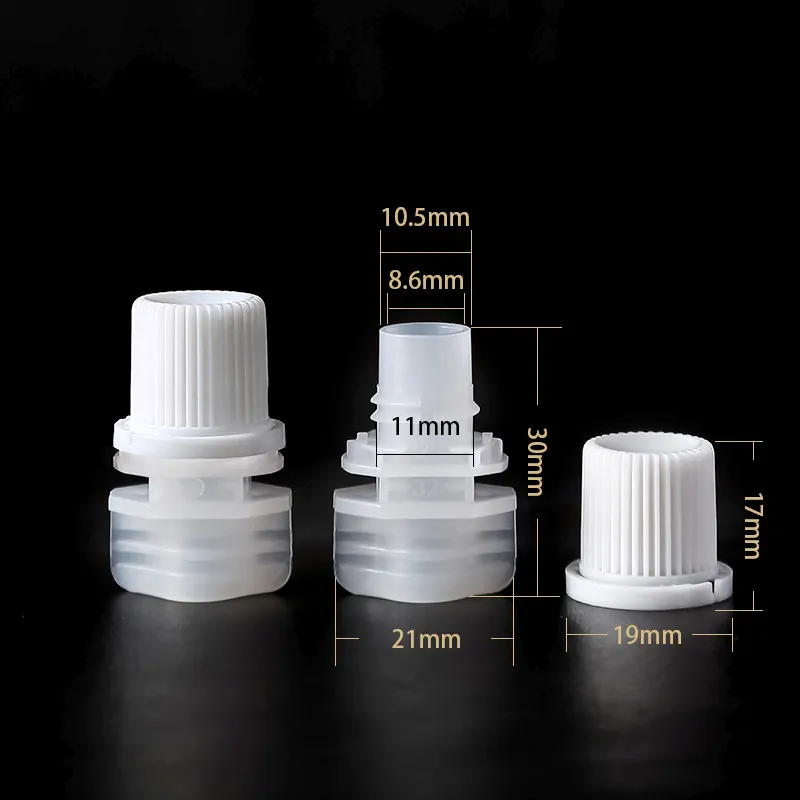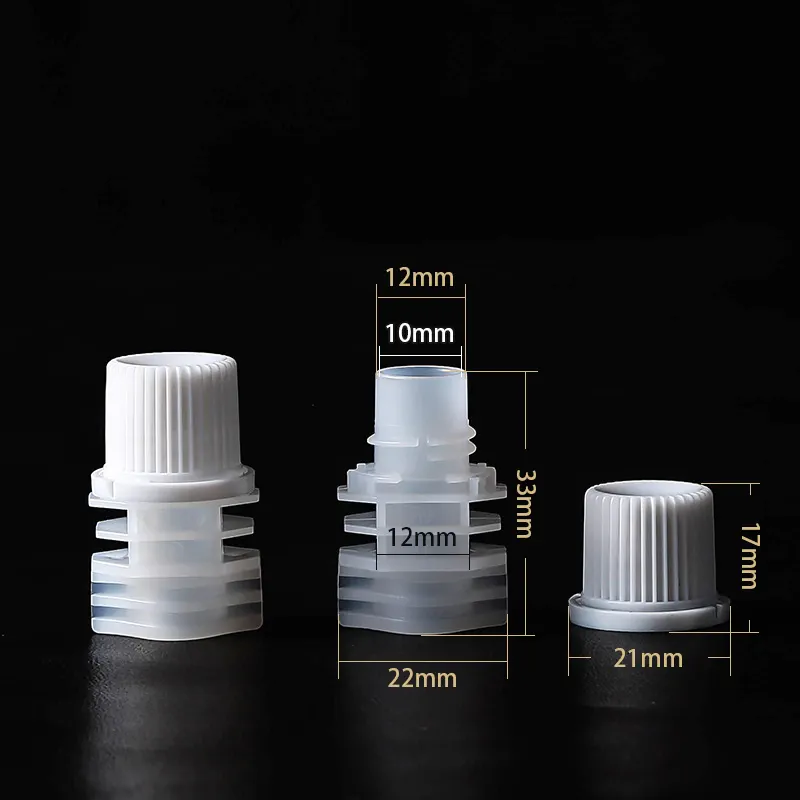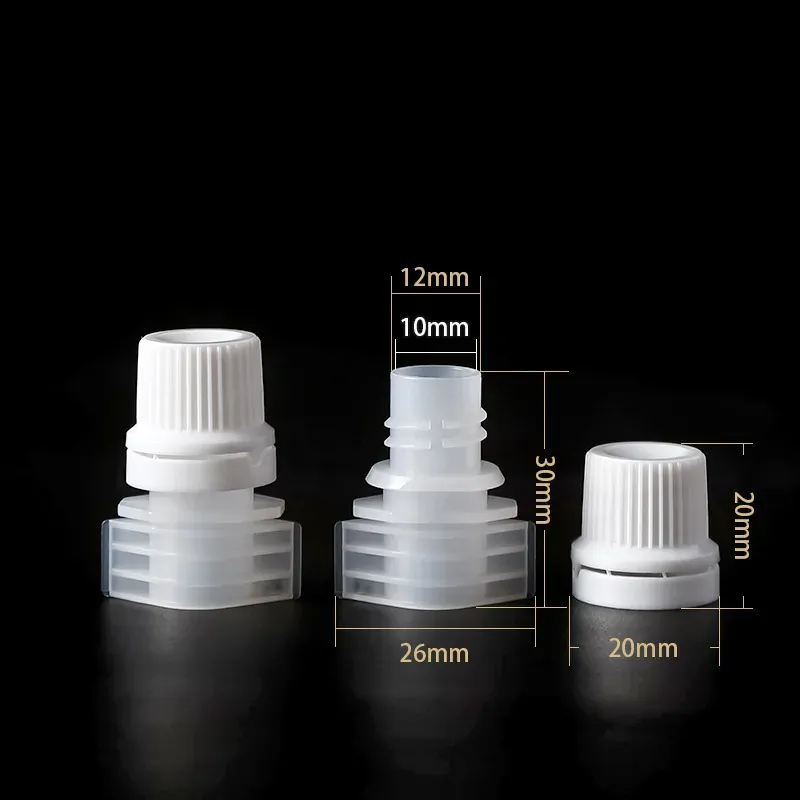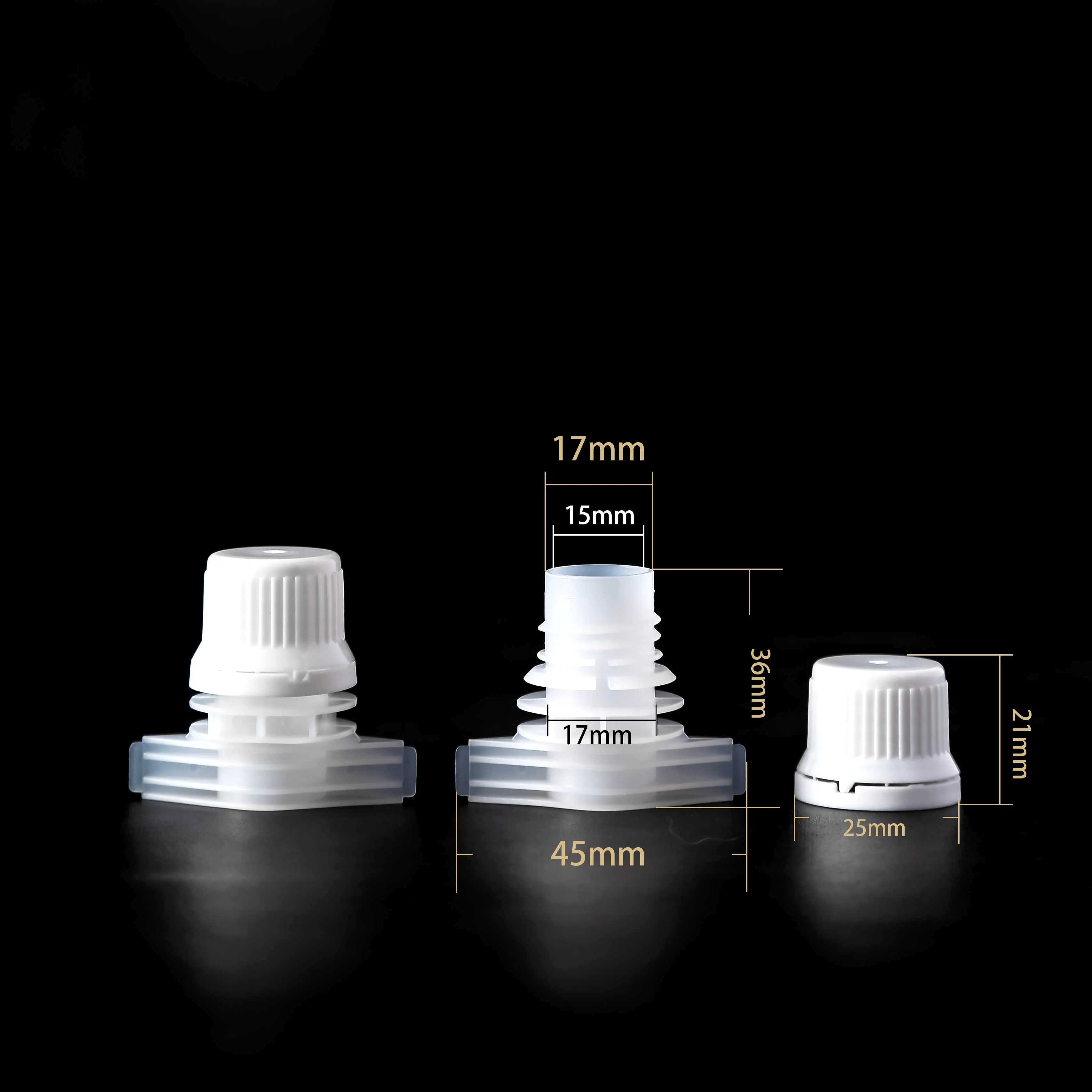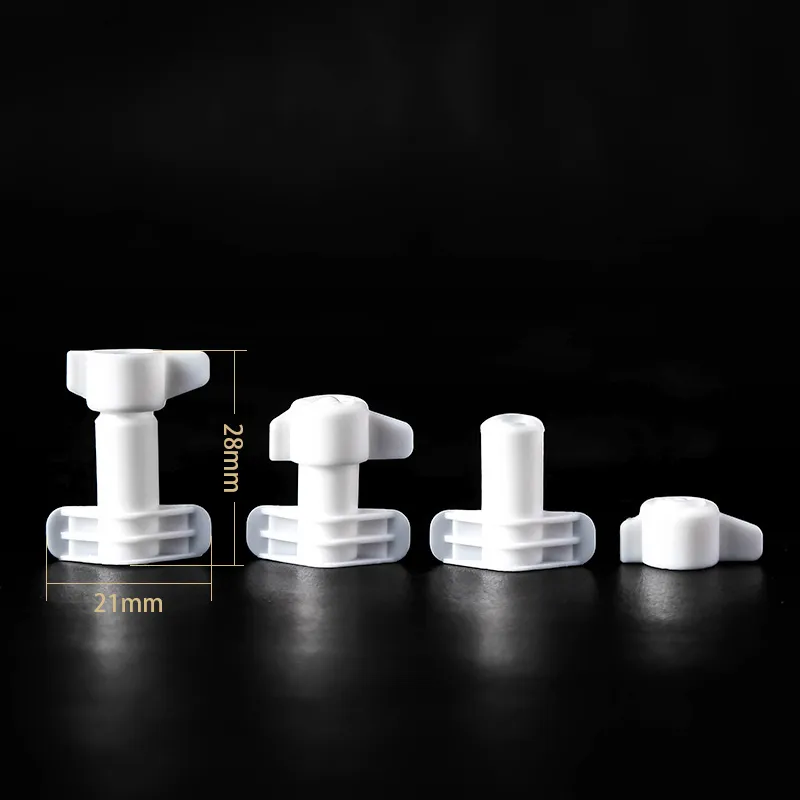
Recyclable coffee pouches are becoming an option for packaging manufacturers looking to reduce the use of difficult-to-recycle material combinations. However, changing the pouch film does not automatically mean an existing coffee valve will remain suitable.
Coffee degassing valve recyclable pouch compatibility depends on more than the materials used in the valve housing. The film structure, attachment method, sealing conditions, and finished-package performance must all be considered.
Even when a valve attaches securely to a recyclable film, its one-way function and the recyclability of the complete package still require separate verification.
Together with a professional coffee valve manufacturer, Sanrun will explore how coffee packaging converters and manufacturers can evaluate these factors before approving a new valve-and-pouch combination for production.
What Does Compatibility Mean for a Recyclable Coffee Pouch?
A coffee degassing valve must release carbon dioxide from roasted coffee while limiting outside air from entering the sealed package. When used with a recyclable pouch, three types of compatibility matter.
Material and attachment compatibility determines whether the valve can be securely attached to the selected packaging film using the intended sealing or bonding process.
Functional compatibility determines whether the installed valve releases gas as required, maintains its one-way function, and avoids unintended leakage around the attachment area.
Recycling compatibility concerns whether the complete package, including the valve and other components, is suitable for the intended recycling stream.
These requirements are related but cannot substitute for one another.
For example, a valve may attach successfully to a mono-PE pouch without the complete package necessarily qualifying for a recyclable claim.
Therefore, compatibility should be evaluated at both the packaging performance and recycling-design levels.
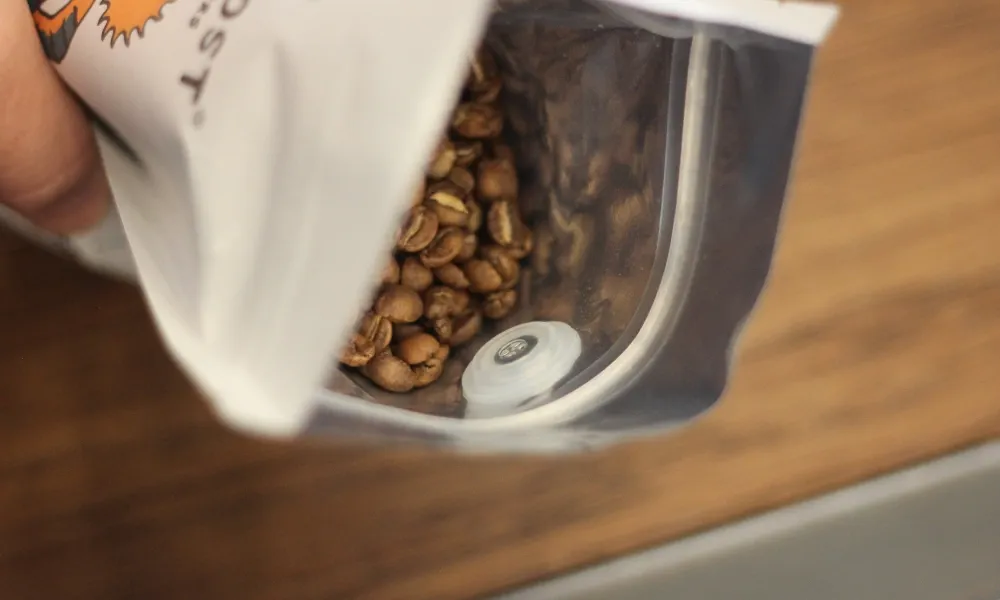
Coffee Valve Film Compatibility: PE, PP, and Barrier Structures
Coffee valve film compatibility starts with understanding the actual pouch construction rather than relying on a general label such as “recyclable film.”
A coffee pouch may contain multiple layers designed to provide mechanical strength, oxygen and moisture protection, printability, and heat-sealing performance.
The layer that contacts the valve is particularly important because its material properties influence how the valve can be attached.
| Film structure | Key compatibility considerations |
|---|---|
| Mono-PE film | Confirm the inner PE sealant layer, film thickness, attachment method, and sealing window. A PE-based valve housing does not automatically guarantee reliable bonding. |
| Mono-PP film | Check whether the valve attachment structure and installation process are suitable for PP sealing surfaces. Do not assume a valve developed for PE can be transferred directly. |
| PE-based barrier film | Identify the barrier layers, coatings, adhesives, and inner sealant. These may affect sealing performance and recycling compatibility. |
| Conventional mixed-material laminate | Evaluate the actual contact layer and attachment process. Successful valve installation does not establish recyclability in a mono-material recycling stream. |
Why the Inner Sealant Layer Matters
The outer layer of a coffee pouch may provide stiffness and print protection, while the inner layer is responsible for forming heat seals.
When a valve is attached through heat sealing, its contact surface must be compatible with the relevant sealant layer and installation conditions.
Film thickness, surface properties, stiffness, and barrier coatings can also influence heat distribution and deformation around the valve.
For example, replacing a conventional laminate with a PE-based recyclable structure may change the sealing temperature range or the way the film responds to pressure.
Even if the same valve model is retained, the previous installation settings should not automatically be reused.
The practical rule is to verify the valve against the actual film construction and installation process, not only the general polymer family.
How Film Structure Affects Valve Attachment and Heat Sealing
A valve that performs correctly as an individual component may still cause problems after installation.
The attachment area is especially important because it connects a relatively rigid valve structure with a flexible packaging film.
Confirm the Attachment Method and Sealing Window
Coffee degassing valves may be installed using different attachment technologies, depending on the valve design and packaging equipment.
For heat-sealed applications, the converter needs to establish suitable combinations of:
- Sealing temperature
- Applied pressure
- Dwell time
- Valve position and equipment alignment
These conditions must be determined through trials with the actual materials.
Insufficient heat or pressure may produce weak attachment. Excessive heat, pressure, or dwell time can deform the film, damage the attachment area, or affect the valve structure.
Adhesive-based systems require separate checks of bonding performance, curing conditions, material compatibility, and the adhesive’s implications for the intended recycling stream.
There is no universal installation setting that can be recommended for every recyclable film and coffee valve combination.
Inspect the Valve-to-Film Interface
The attachment area should be examined for defects that may compromise package integrity.
Typical warning signs include wrinkles around the valve, uneven contact, local film thinning, distortion, partial separation, and visible gaps.
The valve position also matters. Installing it too close to an edge seal, zipper, or gusset fold may interfere with the packaging process or create areas that are difficult to seal consistently.
A secure attachment should not be judged by appearance alone. Where appropriate, attachment-strength and leakage testing should confirm that the connection meets the project’s defined requirements.
If the valve becomes loose, leaks around its perimeter, or damages the film during installation, the manufacturer may need to adjust the sealing conditions, attachment location, or component design.
Our guide to common coffee valve defects explains additional failure modes, including valve detachment and inconsistent sealing performance.

How to Validate Coffee Valve Compatibility Before Production
A new recyclable pouch structure should be tested with the intended valve before the combination is approved for full-scale production.
The goal is not simply to demonstrate that a valve can be installed. Validation should establish whether the complete system meets the agreed packaging requirements.
The following process provides a practical framework.
1. Record the Materials and Packaging Construction
Document the actual film structure, inner sealant material, total film thickness, barrier components, and valve model.
Where relevant, obtain material information for the valve housing, internal membrane, and any adhesives or additional components.
This creates a reference for testing and helps identify whether an existing installation process is appropriate.
Potential failure: Material information is incomplete, or the proposed valve configuration differs from the sample being evaluated.
Next action: Obtain the missing specifications before approving the configuration.
2. Conduct Attachment Trials Using the Actual Film
Install sample valves using the intended equipment and representative production conditions.
For heat-sealed systems, evaluate the relevant temperature, pressure, and dwell-time combinations within a technically justified trial plan.
Inspect the installed valves for deformation, incomplete bonding, wrinkles, or damage to the surrounding film.
Potential failure: The valve only attaches successfully under conditions that damage the pouch or produce inconsistent results.
Next action: Adjust the process or reconsider the valve-film combination before advancing.
3. Check Attachment Strength and Unintended Leakage
Examine whether the valve-to-film interface remains secure and whether gas can escape through unintended paths.
Where the specimen geometry and method are appropriate, ASTM F88/F88M-23 provides a method for measuring flexible-material seal strength. However, a standard strip-seal test may not represent every circular valve attachment, so a suitable validated method may be needed for that interface.
Leak-testing methods should also be chosen carefully.
ASTM F3039-23 covers dye penetration testing for specified nonporous package seals and flexible barrier materials. It is a qualitative method and does not establish leak size.
ASTM D3078-02(2021)e1 addresses gross-leak detection in flexible packages containing headspace gas, but smaller leaks may remain undetected.
An important distinction: A functioning one-way valve is designed to release gas. Therefore, gas escaping through the intended valve pathway during a pressure or bubble test is not automatically evidence of a defective package.
The test plan must distinguish intended valve operation from leakage through the valve attachment interface or other unintended paths.
4. Verify the One-Way Valve Function
Test the installed valve for its intended opening behavior, gas-release performance, and resistance to reverse airflow.
A valve that is securely attached may still fail to open at the required pressure or may not close consistently after venting.
Testing should use defined, application-specific acceptance criteria. The results from standalone valve testing should also be considered separately from tests performed after installation.
Potential failure: The installed valve has inconsistent opening behavior or allows unacceptable reverse airflow.
Next action: Investigate whether the problem originates from the valve itself, installation damage, or the selected configuration.
5. Evaluate the Finished Coffee Pouch
Produce representative finished pouches using the intended filling and sealing process.
Assess the packaging under relevant handling, storage, and distribution conditions.
Depending on the project, this may include checks after pouch formation, filling, mechanical handling, and conditioning under expected environmental conditions.
The purpose is to determine whether the valve attachment and packaging system remain suitable after actual production operations.
A successful standalone valve test is not a substitute for finished-package evaluation.
6. Review the Recycling Evidence
Finally, examine the complete packaging composition against the intended recycling route.
This includes the pouch film, valve, membrane, adhesives, coatings, inks, zipper, and other components where applicable.
Check the relevant recycling design guidance and whether the proposed construction has sufficient evidence to support the intended claim.
If the packaging performs correctly but recycling compatibility has not been established, the functional design may proceed to further evaluation, but an unsupported recyclability claim should not be made.

Coffee Valve Compatibility Validation Matrix
| Validation area | Required evidence | What should trigger further review |
|---|---|---|
| Material structure | Film specification and valve component information | Unknown material or incompatible attachment interface |
| Valve attachment | Documented trial conditions and attachment results | Wrinkling, distortion, weak or inconsistent bonding |
| Seal and leak integrity | Suitable test results against defined criteria | Unintended leakage or attachment separation |
| One-way function | Opening and reverse-flow test results | Incorrect opening behavior or reverse leakage |
| Finished pouch | Results from representative production and handling trials | Damage, loss of attachment, or package integrity failure |
| Recycling compatibility | Material assessment and relevant recycling evidence | Unsupported claims or incompatible components |
Each test should have documented acceptance criteria before the results are evaluated. A failed or inconclusive result should lead to corrective action and, where necessary, repeat testing—not automatic production approval.
What Limits Recyclability Claims for Coffee Pouches with Valves?
A pouch described as mono-material is not automatically recyclable in every market or recycling system.
Its recyclability depends on the complete packaging construction, including components that account for only a small portion of the package.
For example, a PE-based pouch may contain barrier coatings, adhesives, printing inks, closures, or valve components that influence its compatibility with PE recycling.
The RecyClass Design for Recycling Guidelines identify PE materials as preferred options for liners, seals, and valves in the applicable PE flexible-film recycling stream. PP components have different compatibility classifications, while various other materials may create additional restrictions.
These classifications are specific to the relevant recycling stream and guideline conditions.
The material of the valve housing alone is not sufficient to establish the recyclability of the complete coffee pouch. Internal valve components and their combined effect must also be considered.
A recyclable packaging design requires both appropriate material choices and evidence supporting the complete packaging system.
How Sanrun Can Support Coffee Valve Compatibility Evaluation
For packaging manufacturers developing recyclable coffee pouches, selecting an appropriate valve starts with understanding the intended film structure and installation requirements.
At Sanrun, we supply one-way coffee degassing valves for flexible packaging applications.
Our DV02 coffee valve specification identifies a PE housing material combined with silica gel/silicone components. This provides a starting point for material assessment, but it does not establish that the valve is a fully mono-PE or independently certified recyclable component.


We can support customers by reviewing the intended packaging application, discussing available valve models, and providing samples for evaluation under the agreed project conditions.
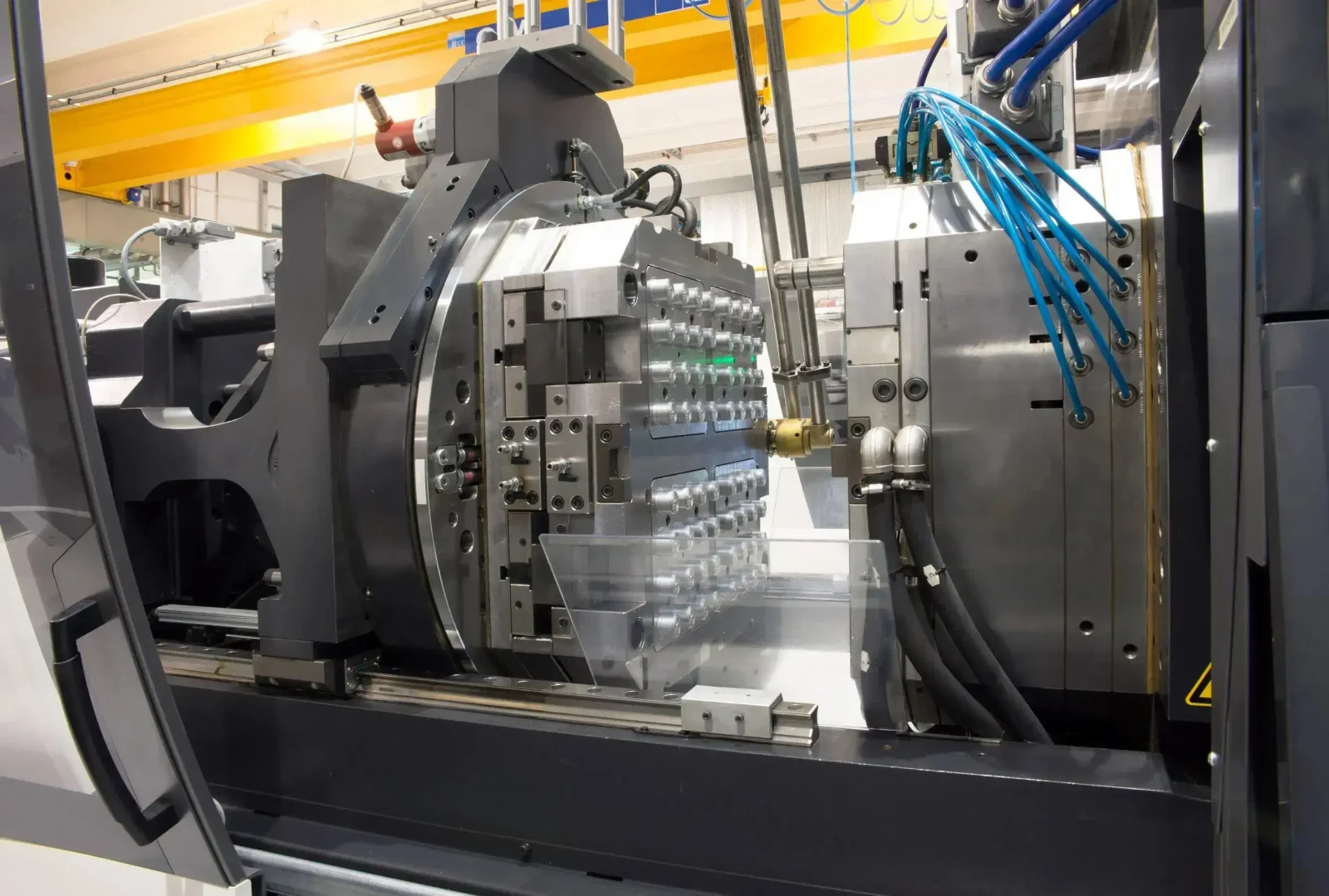
For flexible packaging converters requiring additional engineering input, Sanrun also describes OEM/ODM and mold-development capabilities. The feasibility of a particular modification or attachment configuration must be assessed against the selected product and packaging process.
Customers developing recyclable coffee packaging should share their film structure, inner sealant material, intended valve installation method, and validation requirements.
Our role is to help establish an appropriate component specification and support project-level evaluation—not to assume compatibility before the complete valve-and-pouch system has been tested.
Conclusion: Verify the Complete Valve-Pouch System
Coffee valve compatibility with recyclable pouches must be confirmed through material assessment, attachment trials, sealing and leakage checks, and functional testing.
A valve that attaches successfully may still have performance problems. Likewise, a valve that functions correctly does not automatically make the complete pouch recyclable.
Packaging manufacturers should evaluate both the functional requirements and the relevant recycling criteria before approving a new packaging structure.
For companies developing recyclable coffee pouches, Sanrun’s one-way coffee degassing valves provide product options to review before conducting application-specific compatibility trials.