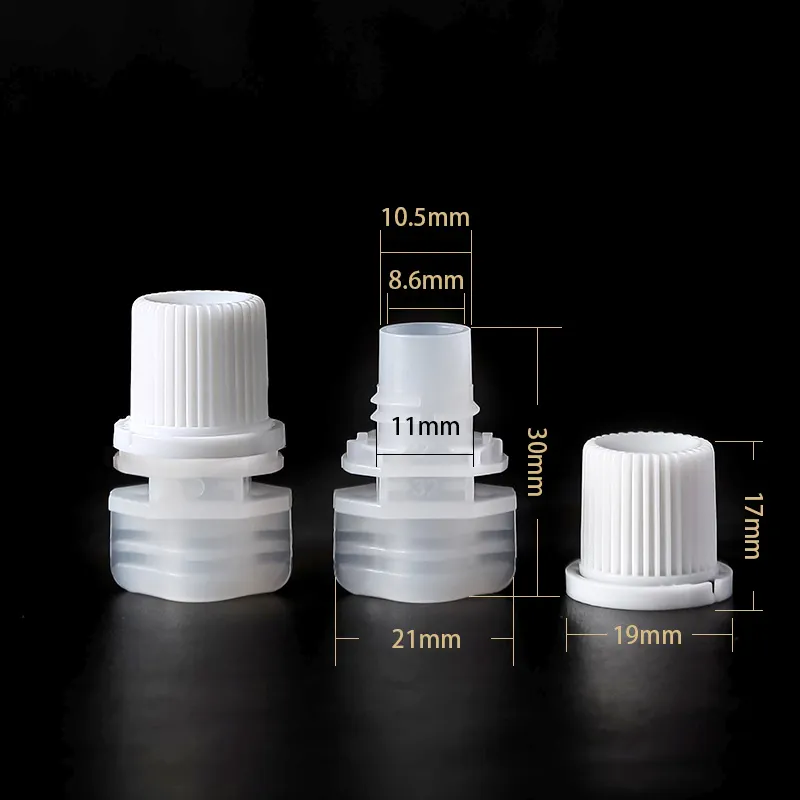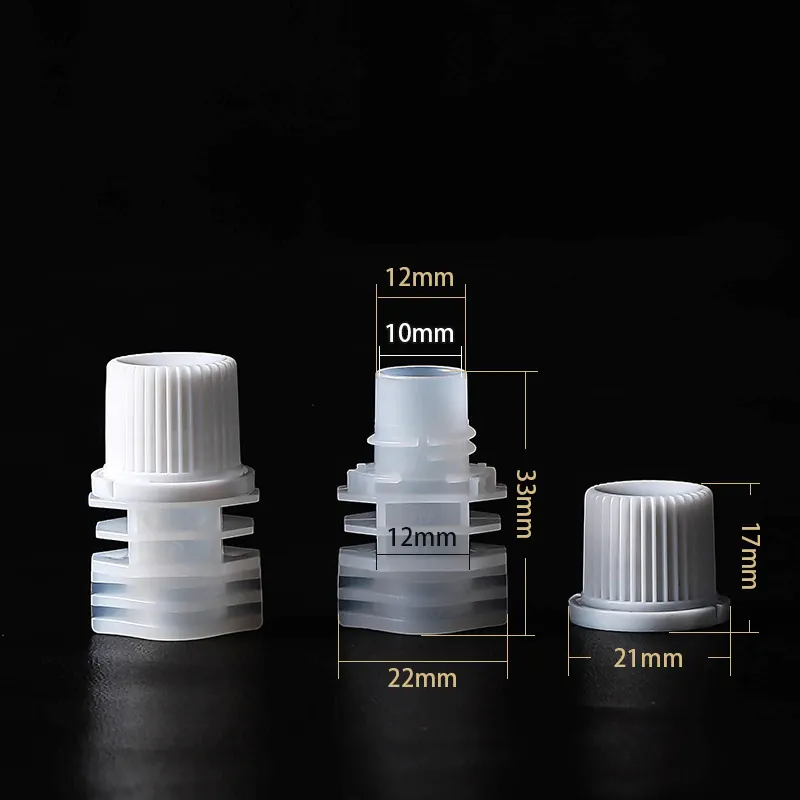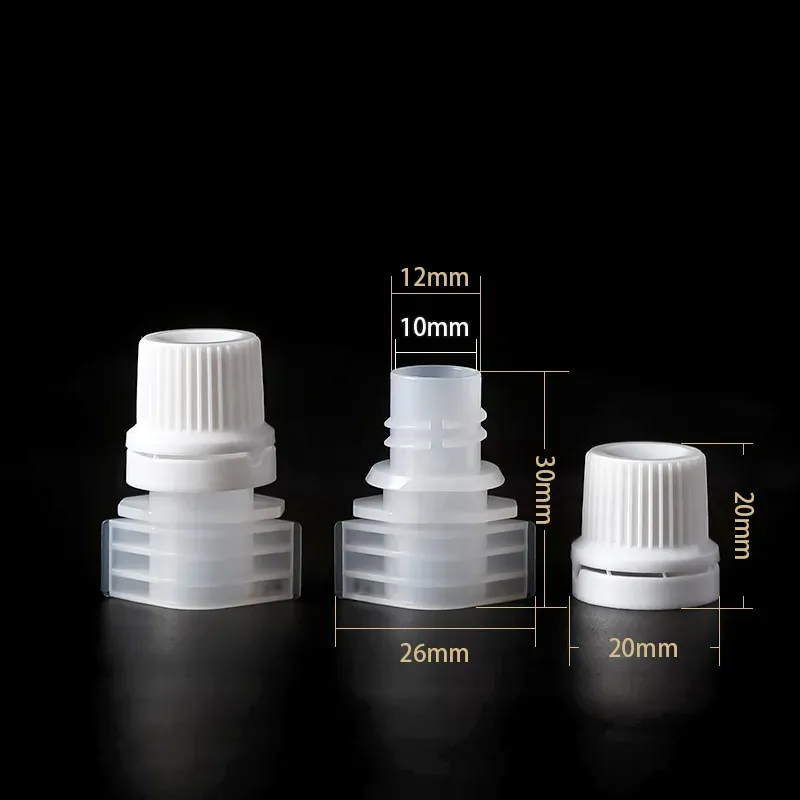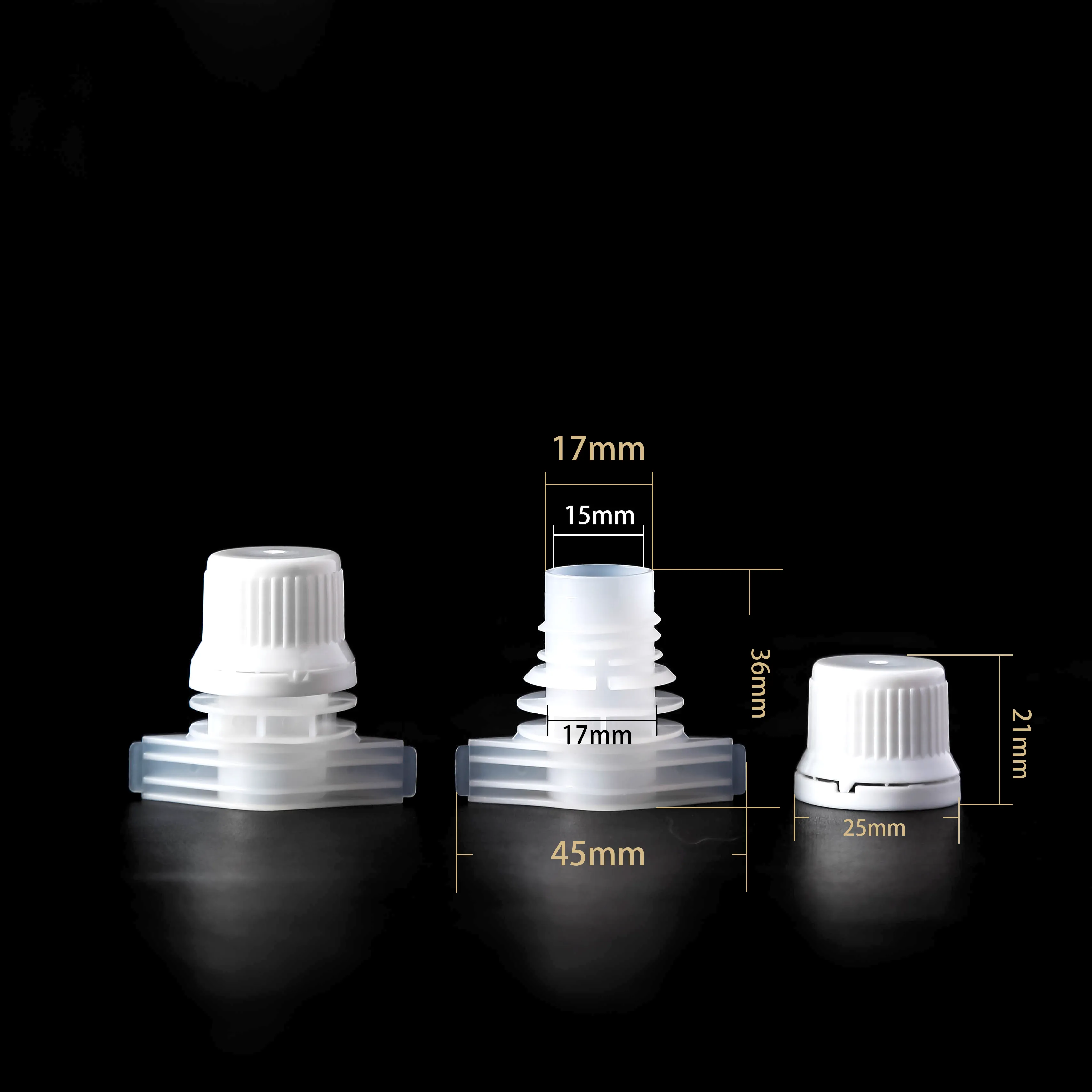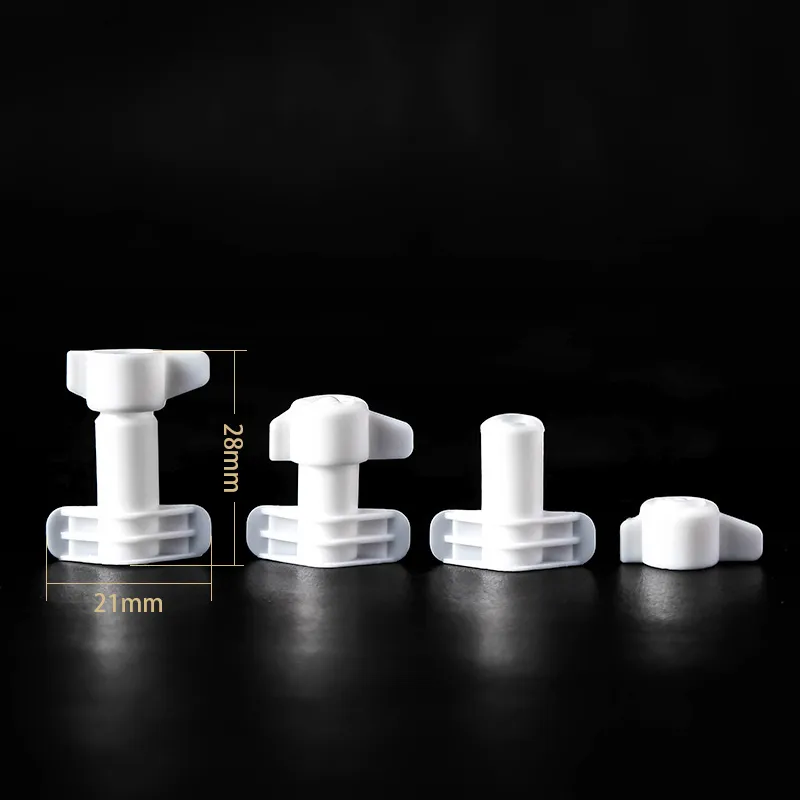







Performance of the spout cap depends on the manufacturing SOP as well as on the materials. The closure may look small, but it directly affects sealing reliability, dispensing behavior, durability, and the final user experience. Among the available plastics, PP and HDPE are the two dominant choices in flexible packaging closures.
Let’s put the question more simply for bulk buyers. It is that which material performs better under the conditions your package actually faces: hot-fill, transport stress, chemical exposure, repeated opening, or strict food-contact requirements.
As a leading spout cap manufacturer, Sanrun compares performance, sealing behavior, and application fit so buyers can make a rational choice between PP spout cap and HDPE spout cap designs.
Material Overview: PP vs. HDPE in Spout Cap Manufacturing
Polypropylene (PP)
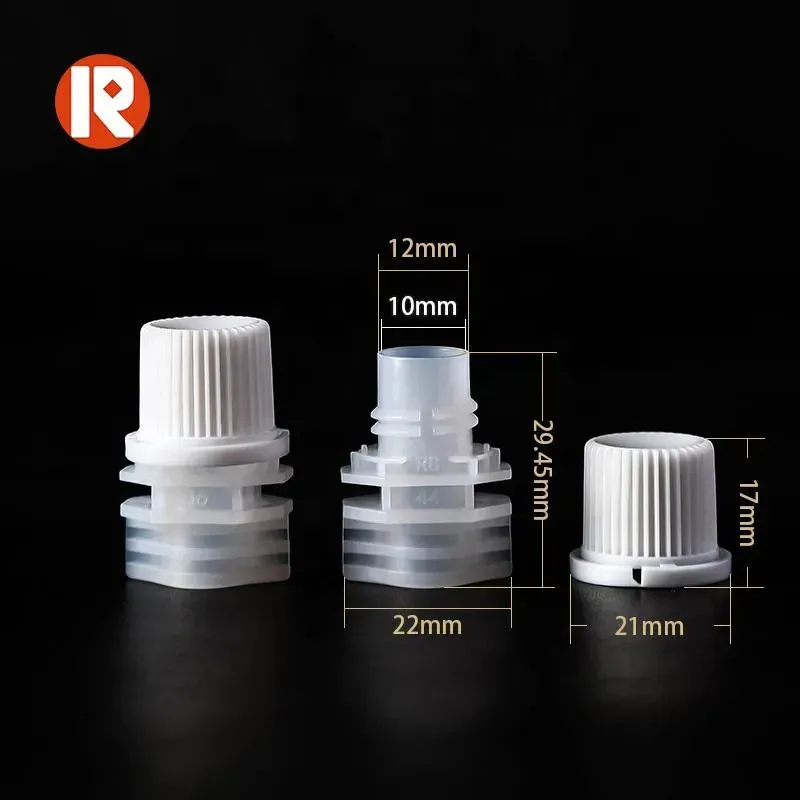
PP is a semi-crystalline thermoplastic with higher rigidity and strong dimensional stability. That makes it especially useful for precision parts such as closures, threads, and tamper-evident features. In packaging, PP is widely used in food and beverage applications because it combines stiffness, processability, and reasonable chemical resistance.
For a PP spout cap, the main advantage is structural accuracy. The threads stay crisp, the cap body resists deformation, and the part holds its shape well during injection molding and repeated use.
High-Density Polyethylene (HDPE)
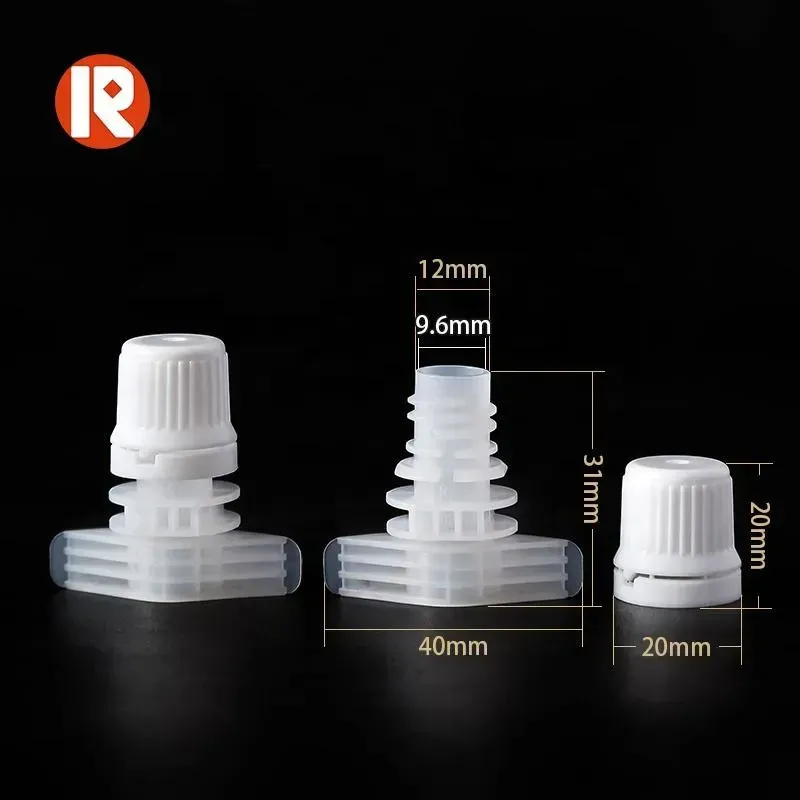
HDPE is also a semi-crystalline thermoplastic, but its profile is different. It is known for toughness, flexibility, and impact resistance. It absorbs mechanical stress well and performs reliably in environments where drops, squeezing, or rough transport are common.
An HDPE spout cap is often selected for household and chemical packaging because HDPE handles detergents, alkaline products, and transports shock better than more rigid materials in some use cases.
Performance Differences: Rigidity vs. Toughness
PP: Rigidity and Structural Precision
PP offers higher stiffness, and that matters more than many buyers realize. A rigid cap maintains better thread definition, which improves closure consistency and reduces the chance of micro-leakage. It also resists deformation under torque, so repeated open-close cycles do not distort the sealing surfaces as quickly.
PP also has strong chemical resistance. It performs well against many oils, acids, and alcohol-based liquids, which is one reason the PP spout cap remains the default choice for food and beverage packaging.
HDPE: Flexibility and Impact Resistance
HDPE behaves differently. Its higher elongation allows it to absorb stress instead of transmitting it into cracks or stress whitening. That makes it more resistant to drop damage during transportation and more tolerant of low-temperature brittleness issues.
HDPE is also highly resistant to detergents and alkaline products. For that reason, the HDPE spout cap is often a better fit for cleaning products, refills, and industrial liquid packaging.
PP vs HDPE Summary Table
| Property | PP | HDPE |
|---|---|---|
| Rigidity | High | Medium |
| Impact Resistance | Medium | High |
| Chemical Resistance | Strong | Strong, especially for detergents |
| Heat Resistance | Higher | Lower |
| Dimensional Stability | Excellent | Good |
The takeaway is simple: PP provides precision; HDPE provides toughness.
Sealing Logic: How Materials Affect Spout Cap Performance
Thread Sealing (Primary Seal)
In many spout cap structures, the thread is the primary sealing mechanism. PP performs better here because its rigidity helps preserve thread geometry under torque. That stability reduces the risk of uneven closure, cross-threading, or micro-leakage.
A PP spout cap is therefore easier to engineer for consistent torque performance, especially when the closure will be opened and closed many times.
Plug / Inner Seal (Secondary Seal)
HDPE can provide better compliance in plug-style or inner-seal structures. Its flexibility improves contact with the sealing surface, which can be helpful when the closure relies on slight deformation to create a tighter seal.
An HDPE spout cap may not be as dimensionally exact as PP, but in some secondary-seal systems, that extra compliance improves performance.
Gasket or Liner Sealing
Many real-world designs do not rely on one material alone. They combine rigid body materials with soft sealing elements such as LDPE, TPE, or silicone. In those systems, a PP body plus a soft liner is common because the rigid shell provides structure while the softer component provides the seal.
Summary
- PP = structure + precision
- HDPE = compliance + stress absorption
The best sealing solution is often not a single material choice. It is a material system designed around the product, the thread geometry, and the expected usage conditions.
Application Scenarios: Where PP or HDPE Performs Best
Why Food and Beverage Prefer PP
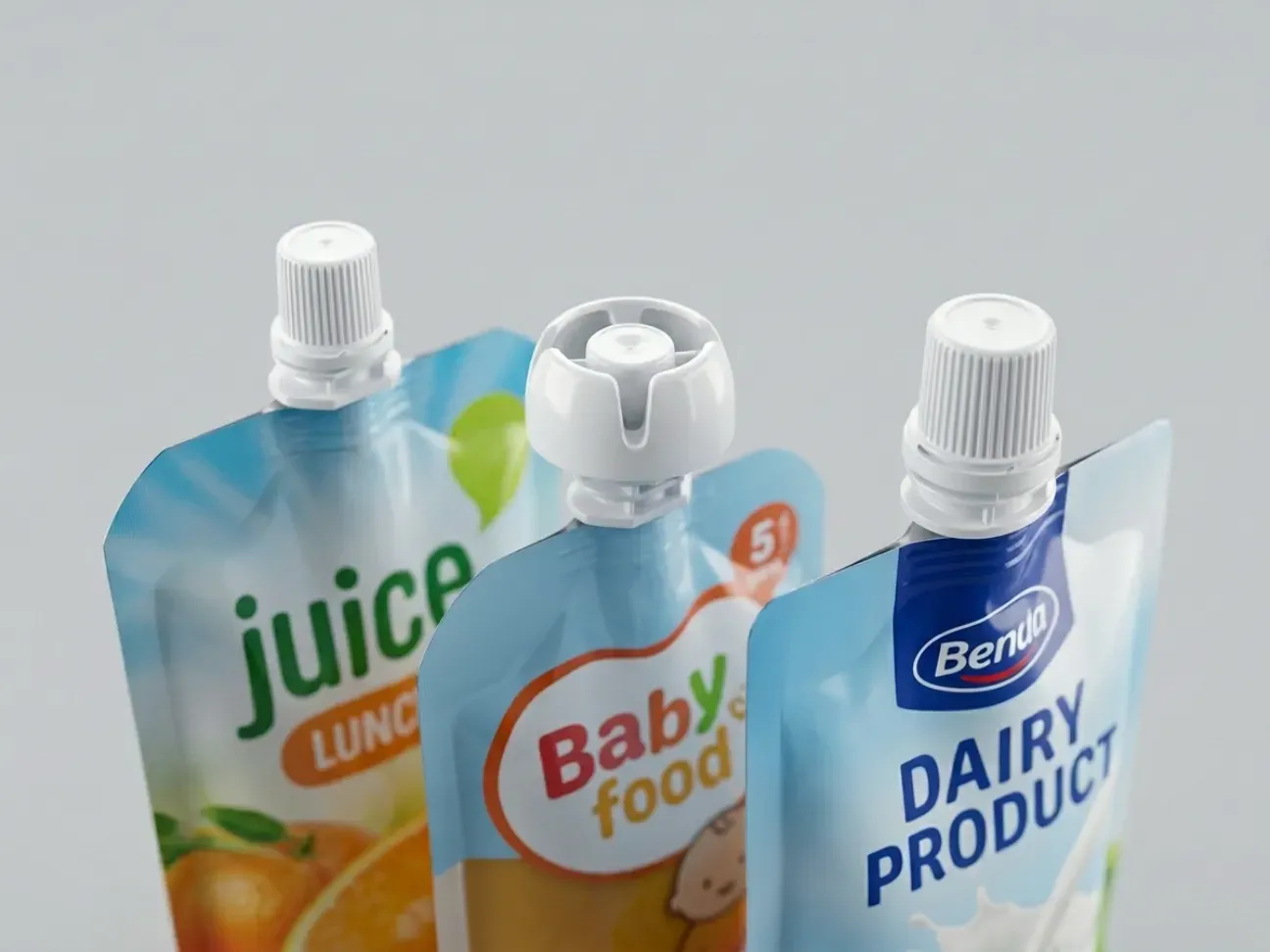
Food and beverage brands often prefer PP because it offers better heat resistance and a cleaner molding appearance. That matters for hot-fill applications and for branded products where surface quality is visible and important.
The PP spout cap is common in:
- Juice pouches
- Baby food
- Dairy alternatives
These products benefit from stable sealing, food-contact compatibility, and a more precise closure profile.
Why Personal Care and Household Products Prefer HDPE
Household and personal care products often contain more aggressive formulations. Detergents, surfactants, and cleaning chemicals place different demands on packaging. In those cases, HDPE’s toughness and chemical resistance can be more useful than PP’s rigidity.
The HDPE spout cap is common in:
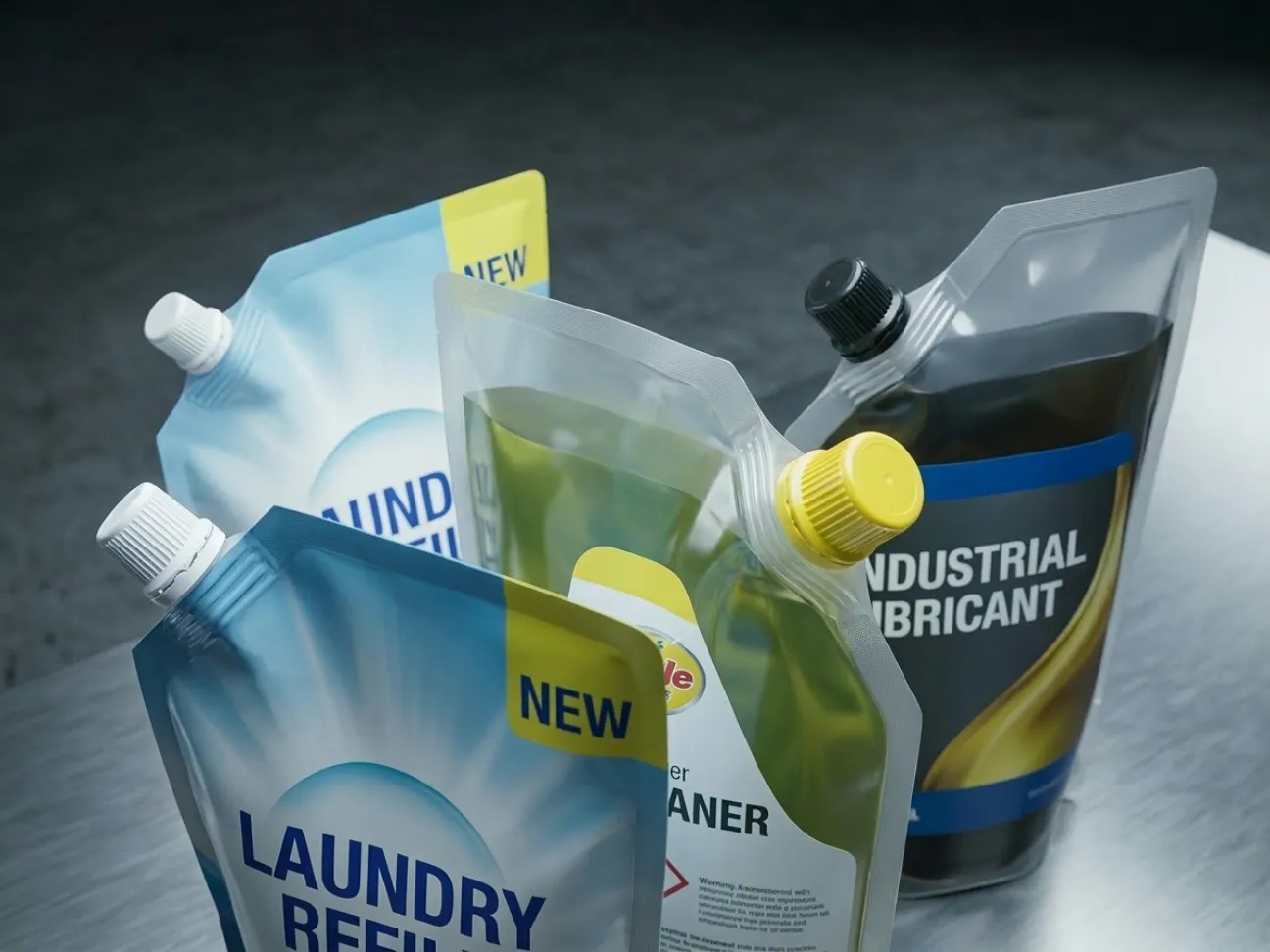
- Detergent refills
- Cleaning products
- Industrial liquids
These products face rougher transport conditions and more chemically aggressive contents, so flexibility and impact resistance matter more.
Hybrid Spout Cap Designs in Real Projects
Real packaging systems often combine materials rather than choosing one in isolation:
- PP cap + PE spout
- PP outer cap + TPE sealing component
This reflects a broader industry trend: multi-material optimization instead of single-material compromise.
B2B Procurement Decision Logic: How to Choose Spout Cap Materials Between PP and HDPE
Choose PP When:
- Precision sealing is critical
- The product is a food or a beverage
- Hot-fill or elevated temperature is involved
Choose HDPE When:
- The product is chemically aggressive
- Packaging faces high transport stress
- Flexibility and toughness are priorities
Tip: Evaluate the spout cap manufacturer by the product consistency and service, not just by the product price.
PCR Material Outlook in Spout Cap Manufacturing
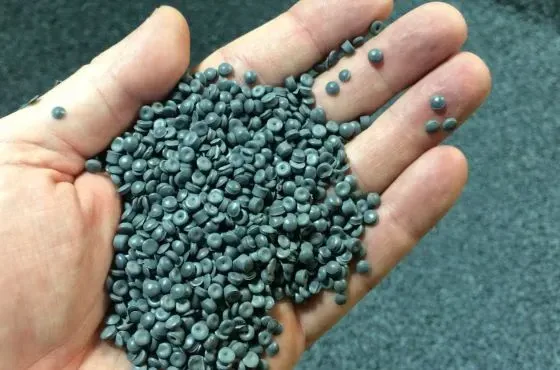
PCR, or post-consumer recycled plastic, is becoming more important as sustainability targets reshape packaging decisions. Brands want lower environmental impact, and buyers increasingly ask whether a spout cap can be made with recycled content.
Technical Challenges of PCR in the spout cap
PCR has real technical problems:
- Mechanical instability compared with virgin resin
- Lower and inconsistent strength
- Dimensional inconsistency that affects thread precision
- Contamination risks that complicate food-contact use
A recycled spout cap may satisfy sustainability goals, but it can also introduce variation that is unacceptable in precision closures.
Food-Grade Certification Barriers
The hardest issue is certification. Food packaging faces strict migration requirements, and certified food-grade PCR is still limited in many markets. Approval also varies by region, which makes scaling difficult.
Mono-Material Trend: Future of Spout Cap Systems
Mono-material packaging uses a single polymer family across the package structure. This is important because it simplifies recycling and supports sustainability goals.
For spout cap systems, the trend is toward PP-to-PP or PE-to-PE combinations. That reduces mixed-material complexity and makes the whole package easier to process in recycling streams.
Industry Insight: Matching Material to Function
From the perspective of an experienced manufacturer, Sanrun recommends that performance depends on:
- Product formulation
- Packaging structure
- Supply chain conditions
Advanced manufacturers do not start with a material preference. They start with a function requirement and then match the polymer to that requirement. That is the level of thinking serious buyers expect.
Conclusion
PP and HDPE are both essential materials in spout cap manufacturing. PP dominates in food-grade and precision sealing applications because it offers rigidity, dimensional stability, and better heat resistance. HDPE excels in durability and chemical resistance scenarios where toughness matters more than precision.
Future trends such as PCR adoption, mono-material packaging, and EU tethered-cap regulations are changing how materials are selected. The optimal solution is not choosing PP or HDPE in isolation. It is engineering the right material combination for the actual application.
About Sanrun – Trusted Spout Cap Manufacturer

Sanrun is a specialized spout cap manufacturer serving global B2B clients with a strong focus on performance-driven packaging solutions. We emphasize customer-oriented service, supporting buyers with material selection, sealing design, and application-specific recommendations. Our products comply with relevant food-contact and quality certifications, ensuring safety and consistency across batches.
With advanced manufacturing capabilities, Sanrun offers flexible OEM/ODM spout cap services, including customized structures, materials, and colors, helping brands develop reliable PP and HDPE spout cap solutions tailored to real-world packaging conditions.