


Southeast Asia is home to major coffee producers, specialty roasters, exporters, and flexible packaging manufacturers. However, their requirements for coffee packaging components vary considerably.
Coffee degassing valves in Southeast Asia are primarily used in sealed packaging for roasted coffee beans and certain ground-coffee products. Their relevance depends on the coffee product, packaging process, and distribution requirements rather than coffee production volume alone.
For coffee roasters, exporters, and packaging converters, understanding these differences helps identify where one-way valves are needed and what factors influence their suitability.
Sanrun, a professional coffee degassing valve manufacturer, in this article, examines coffee valve applications across six Southeast Asian countries, supported by industry reports and documented packaging examples.
Where Do Coffee Degassing Valves Fit in Southeast Asia’s Coffee Industry?
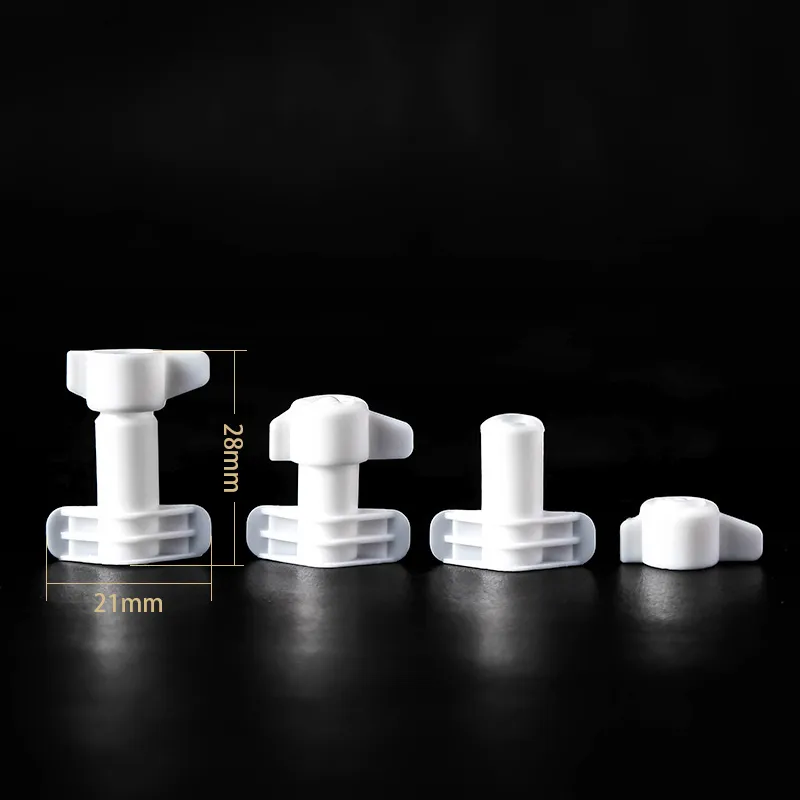
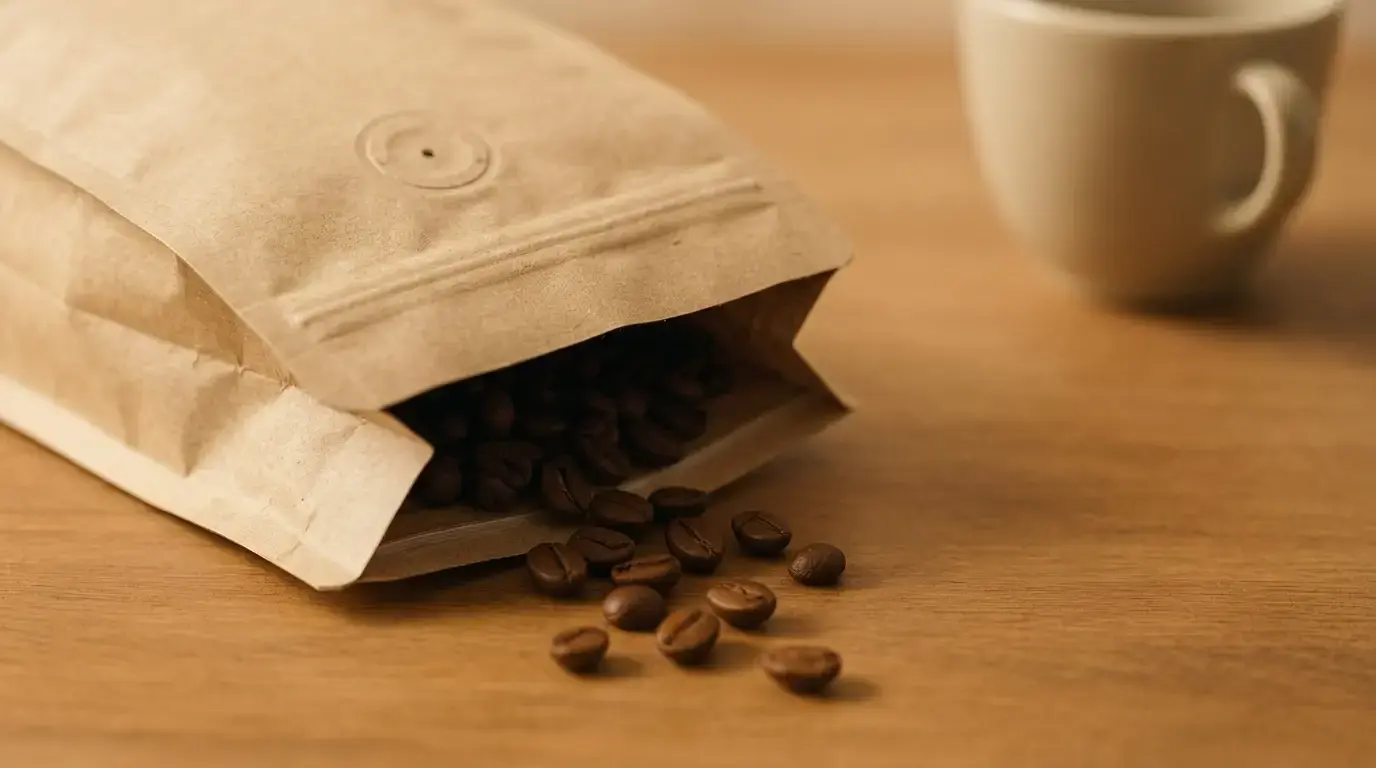
Coffee degassing valves are designed to release carbon dioxide (CO₂) produced by roasted coffee while helping prevent outside air from entering sealed packaging.
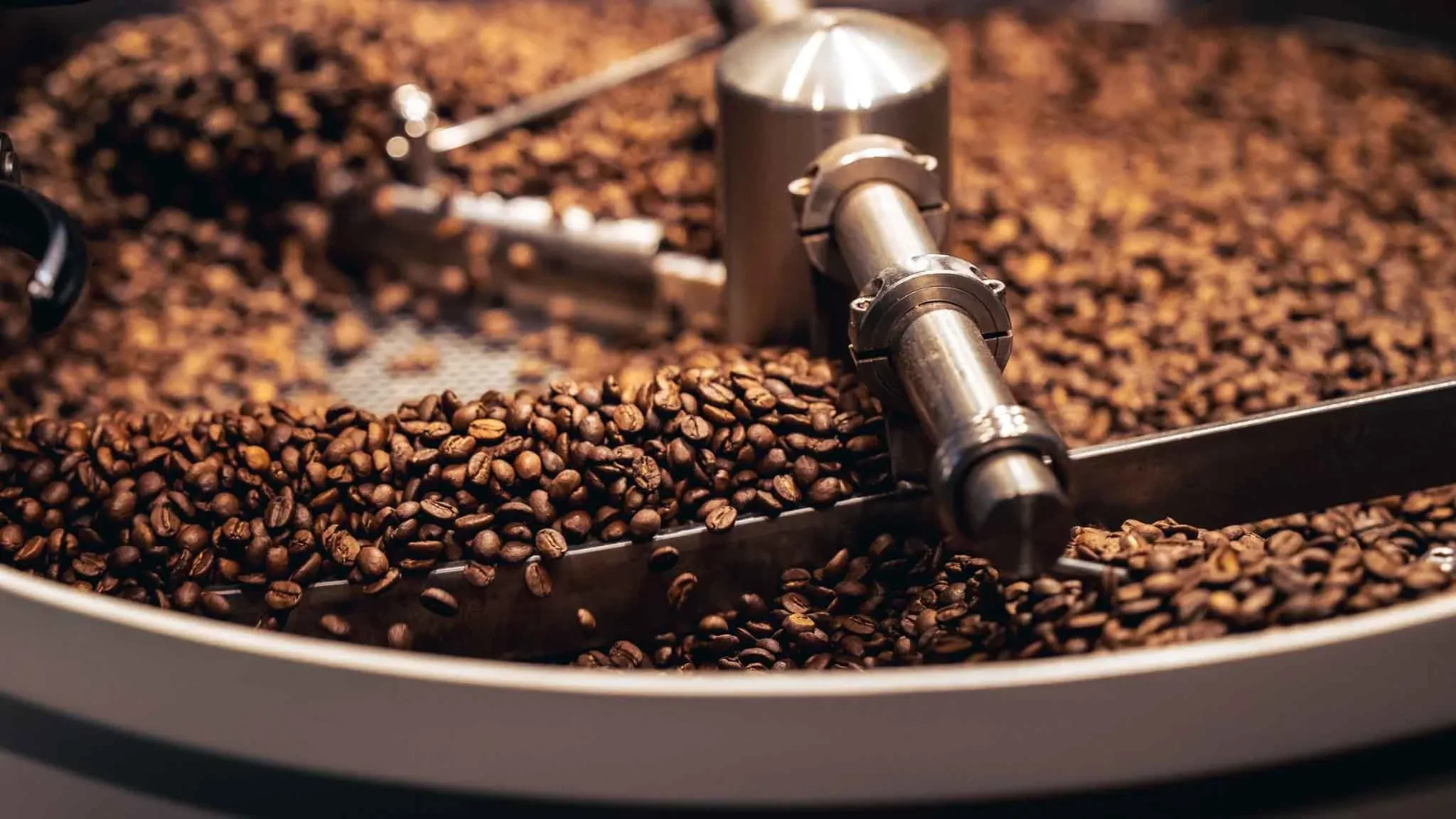
Freshly roasted whole beans continue releasing gas after packaging. Without adequate gas management, pressure may accumulate inside tightly sealed bags. One-way valves allow controlled degassing while supporting the package’s protective function.
Ground coffee can also require degassing valves, depending on how soon it is packed after grinding and how much gas remains. However, these valves are generally unnecessary for green coffee beans and conventional instant coffee products.
Whole-bean and ground-coffee packaging have different degassing characteristics, while agglomerated and freeze-dried coffee do not require degassing valves for the same purpose.
In Southeast Asia, this distinction is particularly important because coffee markets contain different combinations of green bean exports, soluble coffee processing, specialty roasting, and packaged roasted-coffee sales.
The relevant opportunity for degassing valves lies in the packaging applications—not simply the amount of coffee produced or consumed.
Coffee Valve Applications in Southeast Asia: Roasters, Exporters, and Packaging Converters
Coffee valve applications across Southeast Asia vary according to the responsibilities of the businesses using or integrating the valves.
Roasters primarily focus on managing gas release from packaged coffee. Exporters consider packaging performance throughout distribution, while packaging converters must integrate valves into different pouch structures and manufacturing processes.
Coffee Roasters — Freshly Roasted Coffee Packaging
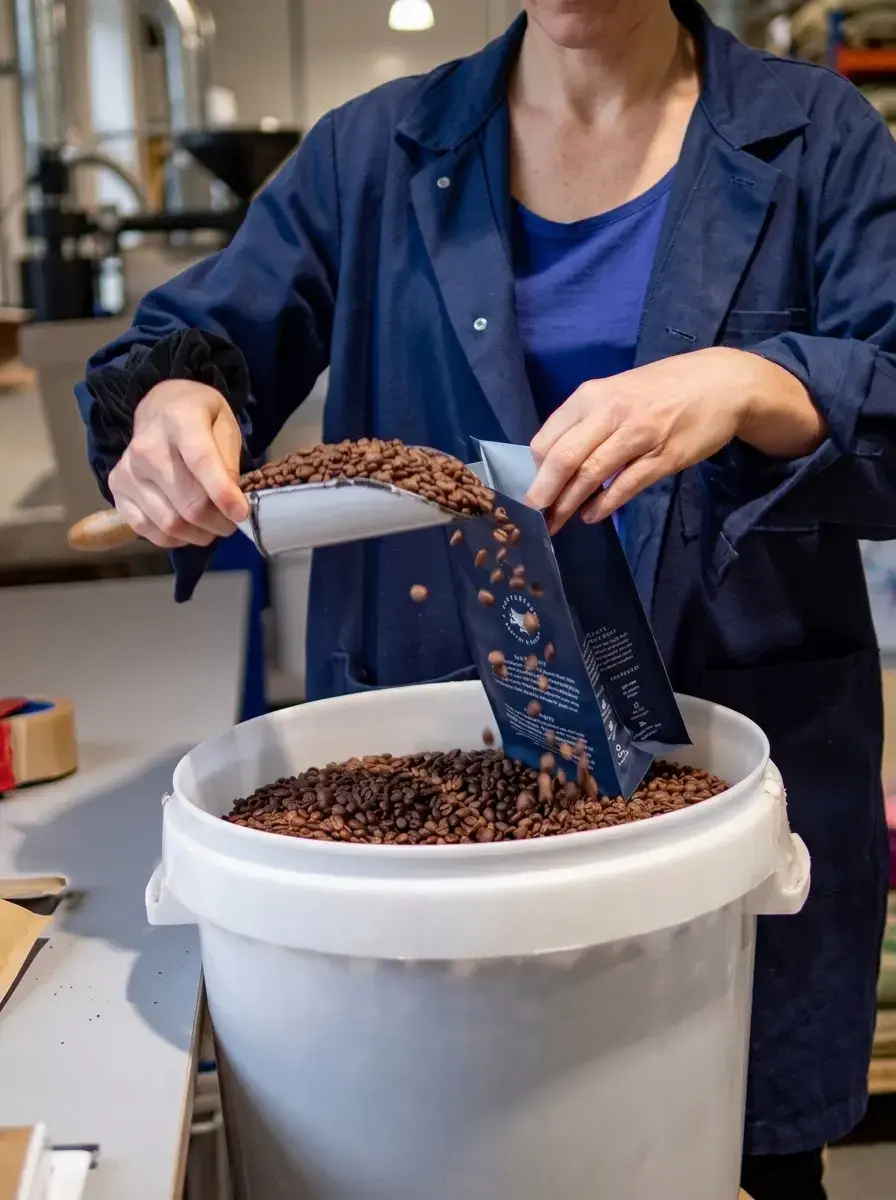
For coffee roasters, one-way valves are commonly associated with freshly roasted whole-bean coffee packed in sealed flexible bags.
Specialty coffee brands often use stand-up pouches, flat-bottom bags, or side-gusset bags to package roasted beans for retail and wholesale customers.
A degassing valve allows the beans to release residual CO₂ without requiring the bag to remain open. This helps roasters package coffee while accounting for the gas released after roasting.
However, the need for a valve depends on several conditions, including roasting profile, resting period, product format, and packaging method. Coffee that has already undergone substantial degassing may have different requirements from coffee packed soon after roasting.
For roasters, the practical consideration is whether the valve works with the actual coffee product and packaging system, not simply whether the bag includes a valve.
Coffee Exporters — Packaging for International Distribution
Coffee exporters operate across different product categories, and these differences directly affect packaging requirements.
Green coffee exports generally do not create the same degassing-valve requirements as roasted-coffee exports. Green beans have not undergone roasting and do not release the same post-roasting gases.
For exporters supplying roasted coffee in sealed retail or wholesale packages, one-way valves may help manage residual CO₂ during storage and transportation.
However, valves are only one part of the packaging system. The pouch’s oxygen and moisture barriers, seal integrity, and suitability for expected distribution conditions also matter.
An exporter shipping roasted coffee to another Southeast Asian country or an overseas market should therefore assess the complete package rather than assuming the presence of a valve guarantees product protection.
Food-contact suitability and destination-market requirements must also be checked for the specific packaging materials and intended use.
Packaging Converters — Integrating Valves into Coffee Pouches
Flexible packaging converters have a different priority: integrating functional valves into coffee bags efficiently and consistently.
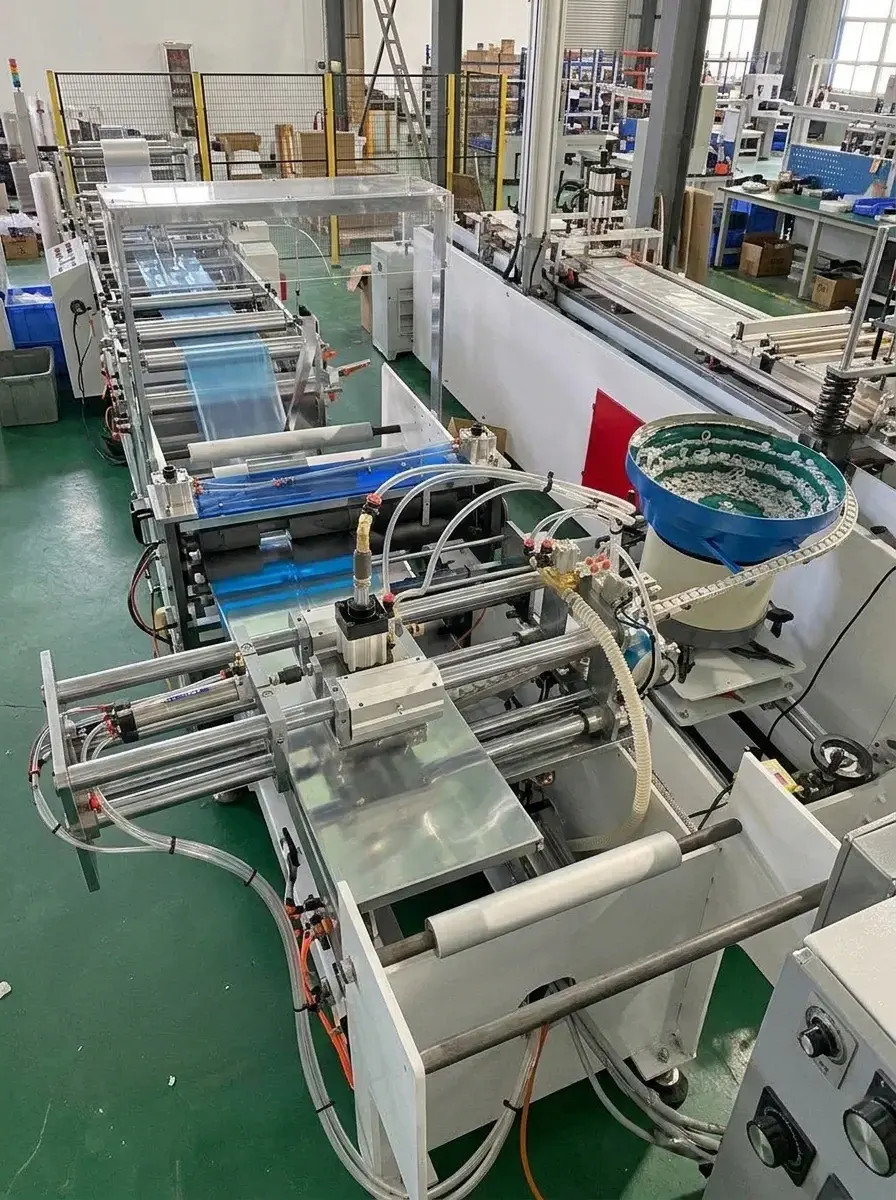
Depending on the production process, valves may be incorporated into pre-made pouches or applied during automated bag formation.
Their compatibility with packaging films, sealing methods, installation equipment, and bag dimensions can affect manufacturing efficiency and finished-package performance.
For example, Jet Technologies Indonesia offers coffee packaging systems involving flexible packaging, vertical form-fill-seal machinery, and degassing valves. Its published solution includes valve placement during bag formation.
This illustrates why converters need to consider the complete packaging process rather than evaluate valves as standalone components.
For projects involving larger production volumes, consistent valve dimensions and reliable attachment also become important.
Converters preparing for bulk production can review further coffee valve manufacturing requirements, including specification confirmation and sample evaluation.
Coffee Valve Applications by Country in Southeast Asia
Southeast Asia’s coffee industry is not a uniform market. Some countries have substantial coffee production and processing activities, while others provide documented specialty roasting, branded coffee, and flexible packaging services.
The following country analysis identifies established industry activities and available packaging evidence. It does not rank countries by coffee value sales or assume that all coffee businesses use degassing valves.
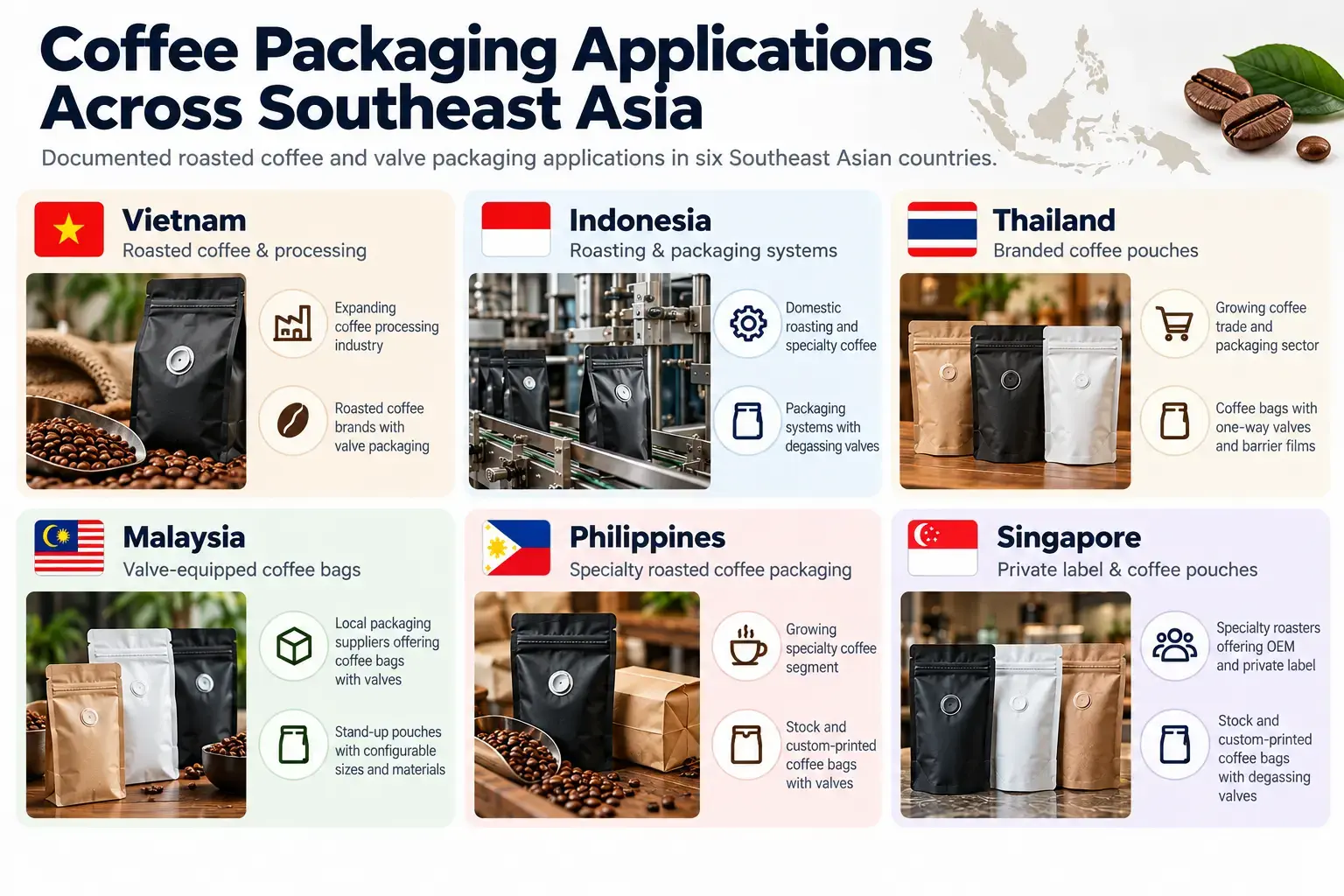
Vietnam: Coffee Processing and Roasted Coffee Exports
Vietnam is one of Southeast Asia’s largest coffee producers and exporters, with substantial Robusta production and an expanding coffee processing industry.
According to the USDA Vietnam Coffee Annual 2026, soluble and roasted coffee exports were estimated at 3.4 million 60-kilogram bags in green bean equivalent for marketing year 2025/26. The report also highlights the expansion of coffee processing facilities.
These developments establish the scale of Vietnam’s processed-coffee business, but the combined export figure cannot be treated as the volume of coffee requiring degassing valves.
Relevant applications therefore include domestic roasted-coffee brands, packaged roasted-coffee exports, and flexible packaging manufacturers supplying these businesses.
For valve suppliers, the commercial opportunity is linked to specific roasted-coffee packaging projects rather than Vietnam’s much larger green bean export business.
Indonesia: Domestic Roasting and Coffee Packaging Systems
Indonesia combines substantial coffee production with domestic consumption, coffee processing, and specialty roasting activities.
The USDA Indonesia Coffee Annual published in May 2026 forecasts green coffee production of 11.38 million 60-kilogram bags for marketing year 2026/27.
These figures demonstrate the importance of Indonesia’s coffee sector and show an identifiable application for coffee valves within the country’s packaging supply chain.
Indonesian roasters selling sealed whole-bean coffee may use valves to manage post-roasting gas release. Packaging converters serving these businesses must also consider valve attachment, pouch compatibility, and machinery requirements.
Indonesia is therefore relevant to both roasted-coffee packaging and integrated packaging systems, although available evidence does not establish nationwide valve adoption rates.
Thailand: Branded Coffee and Flexible Packaging
Thailand has an active coffee processing and trading sector, with opportunities extending beyond domestic coffee cultivation.
According to Thailand’s Public Relations Department, coffee imports and exports increased in 2025. The government’s report also discusses opportunities in higher-value processing and packaging development.
However, aggregate coffee trade figures include products that may not require degassing valves.
A more direct application example is provided by flexible packaging manufacturers in Thailand, which identify one-way degassing valves, barrier films, and resealable zippers among the functional features of coffee bags.
For branded roasted-coffee products, these features serve different purposes: the valve manages gas release, the barrier structure limits environmental exposure, and the zipper provides convenience after opening.
Thailand consequently presents documented applications in retail coffee packaging and flexible packaging production.
For coffee valve suppliers, the relevant considerations are component compatibility, pouch construction, and the requirements of packaging manufacturers serving roasted-coffee brands.
Malaysia: Coffee Bag Suppliers and Packaging Converters
Malaysia’s documented coffee valve applications can be examined through its flexible packaging suppliers.
Imperial Packaging & Plastics publicly offers coffee bags with one-way valves, explaining their role in releasing gas from roasted beans while limiting oxygen exposure. They also present stand-up zipper pouches with configurable sizes and materials.
These products provide direct evidence that degassing valves are part of the coffee packaging solutions offered in Malaysia.
For packaging converters, the relevant requirements include selecting suitable valves, incorporating them into pouch structures, and maintaining compatibility with packaging materials and production processes.
Roasters sourcing pre-made coffee bags may instead focus on finished-package performance and the suitability of the valve for their roasting and packing schedules.
The evidence establishes a local packaging application, but it does not demonstrate the overall size or growth rate of Malaysia’s coffee degassing valve market.
Philippines: Specialty Coffee and Roasted-Bean Packaging
The Philippines illustrates why coffee consumption patterns must be separated from actual degassing-valve applications.
The Philippine Coffee Industry Roadmap 2021–2025, published by the Department of Agriculture, describes a market historically dominated by soluble coffee while recognizing the development of roasted, ground, brewed, and specialty coffee.
Conventional instant coffee sachets generally do not require the same post-roasting degassing function as freshly roasted whole-bean coffee.
By contrast, specialty roasters selling sealed coffee bags may have a practical need for one-way valves.
The application is visible in the local packaging supply market. Flexible coffee packaging factories in the Philippines offer stock and custom-printed coffee bags with valves in several pouch formats.
For valve suppliers, the relevant applications are therefore specialty coffee packaging, roasted-bean retail bags, and packaging converters serving these products—not the entire instant coffee market.
Singapore: Specialty Roasters and Private-Label Packaging
Singapore’s coffee valve applications are better understood through roasting, branding, and packaging services than through domestic coffee farming.
The Singapore Food Manufacturers’ Association lists Cowpresso Coffee Roasters as a business offering specialty and commercial roasting, OEM private labeling, and customized roasting and packaging.
These services demonstrate the presence of businesses preparing roasted coffee for branded retail and commercial distribution.
For specialty roasters, valve selection depends on the coffee’s degassing characteristics and intended packaging format.
For private-label packaging projects, consistency across branded product batches and compatibility with selected pouch structures may be equally important.
Singapore therefore has documented roasted-coffee and valve-equipped packaging offerings, although these examples do not establish the proportion of the overall market using valves.
What Should Coffee Valve Suppliers Consider Across Southeast Asian Markets?
The country examples show that coffee valve applications should be evaluated according to the actual packaging operation rather than a generalized regional demand assumption.
Different applications create different priorities:
| Packaging application | Main considerations |
|---|---|
| Specialty retail coffee bags | Coffee type, roasting and packing schedule, pouch construction, and degassing needs |
| Roasted-coffee export packaging | Residual gas release, barrier materials, seal integrity, and distribution conditions |
| Flexible packaging conversion | Valve dimensions, installation method, film compatibility, and production consistency |
| Custom coffee packaging | Packaging design, sample approval, valve specifications, and manufacturing compatibility |
For example, a specialty roaster using pre-made pouches may primarily evaluate finished-bag performance. A converter producing coffee pouches at higher volumes must additionally consider how valves are installed and whether the approved configuration remains consistent throughout production.
Likewise, a roasted-coffee exporter should examine both the valve and the complete packaging structure to understand whether the finished package is suitable for its distribution conditions.
These differences matter more than applying the same valve specification to every Southeast Asian customer.
How Sanrun Can Help Southeast Asian Coffee Packaging Businesses
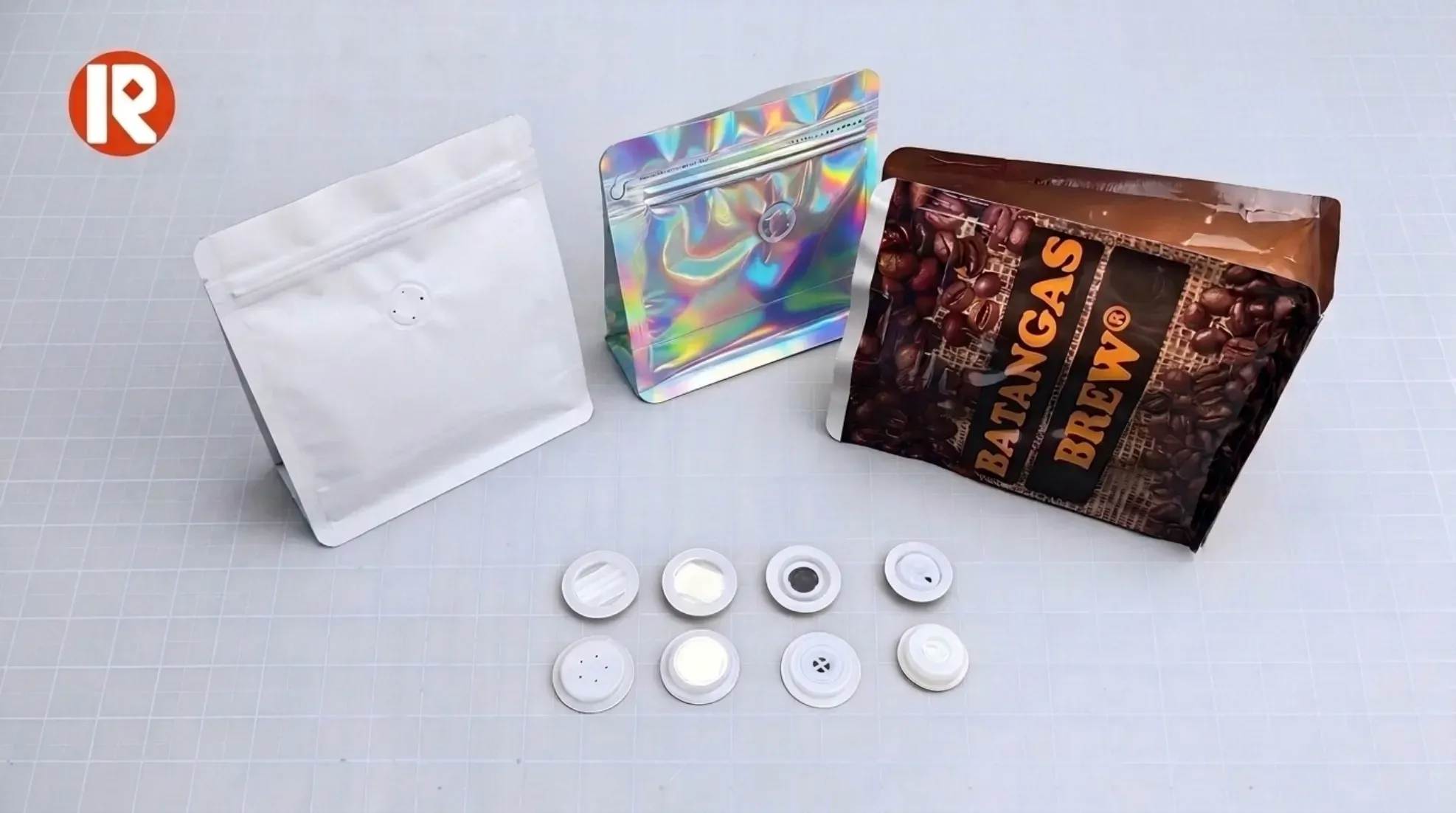
At Sanrun, we manufacture one-way coffee degassing valves and packaging components for businesses with different production and application requirements.
For coffee roasters and brands, we offer coffee valve product options that can be evaluated against their intended coffee bags. We can discuss the application, review relevant product specifications, and arrange sample evaluation for an agreed valve model. This helps customers assess compatibility before committing to production quantities.
For roasted-coffee exporters, we support bulk component supply and order coordination. Once the required valve specifications and samples are confirmed, we can coordinate production arrangements and logistics according to the agreed project requirements. This is particularly relevant for businesses supplying packaged roasted coffee through international distribution channels.
For flexible packaging converters, our support extends to OEM/ODM discussions, engineering and mold-development capabilities, sample approval, and manufacturing. We can work with packaging manufacturers to review valve dimensions, proposed attachment methods, and compatibility requirements for their pouch production processes.
Our coffee degassing valve solutions include a process covering requirement confirmation, sample approval, production, inspection, and logistics coordination. Specific product options, customization possibilities, and commercial terms are confirmed for each project.
Our role is to supply suitable coffee valve components and manufacturing support while working with customers to evaluate compatibility with their complete packaging systems.
Conclusion: Matching Coffee Valves to Southeast Asian Packaging Applications
Southeast Asia offers different coffee packaging applications across its roasting, export, and flexible packaging industries.
Vietnam and Indonesia have substantial coffee production and processing activities, while Thailand, Malaysia, the Philippines, and Singapore also demonstrate specific roasted-coffee packaging or valve-equipped pouch applications.
For roasters, exporters, and packaging converters, the appropriate valve depends on the coffee product, pouch structure, and production process—not national coffee output alone.
Businesses evaluating suitable components can explore Sanrun’s one-way coffee degassing valves and assess the available customization options against their packaging requirements.