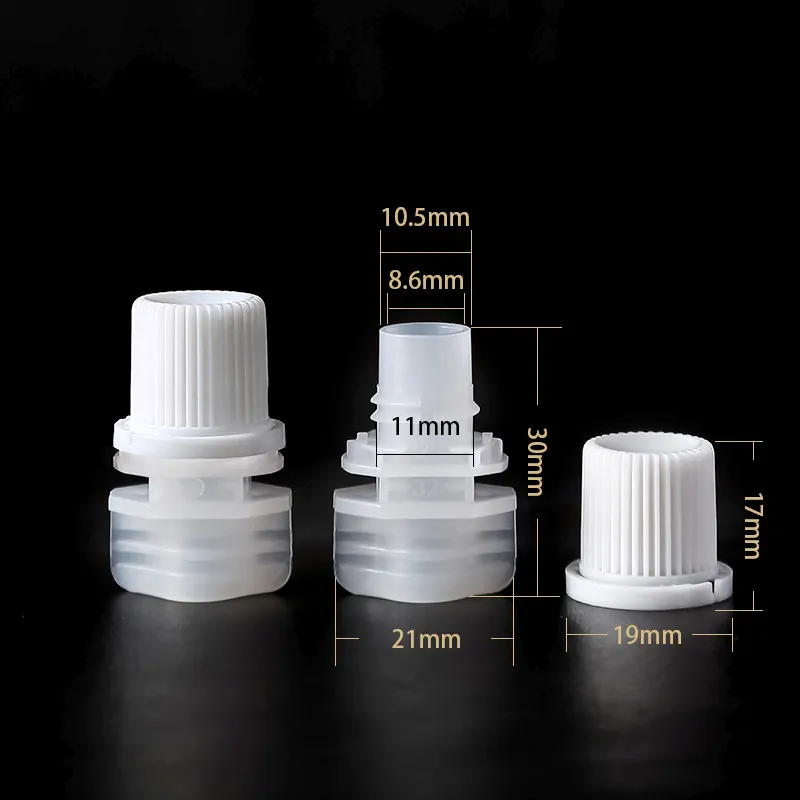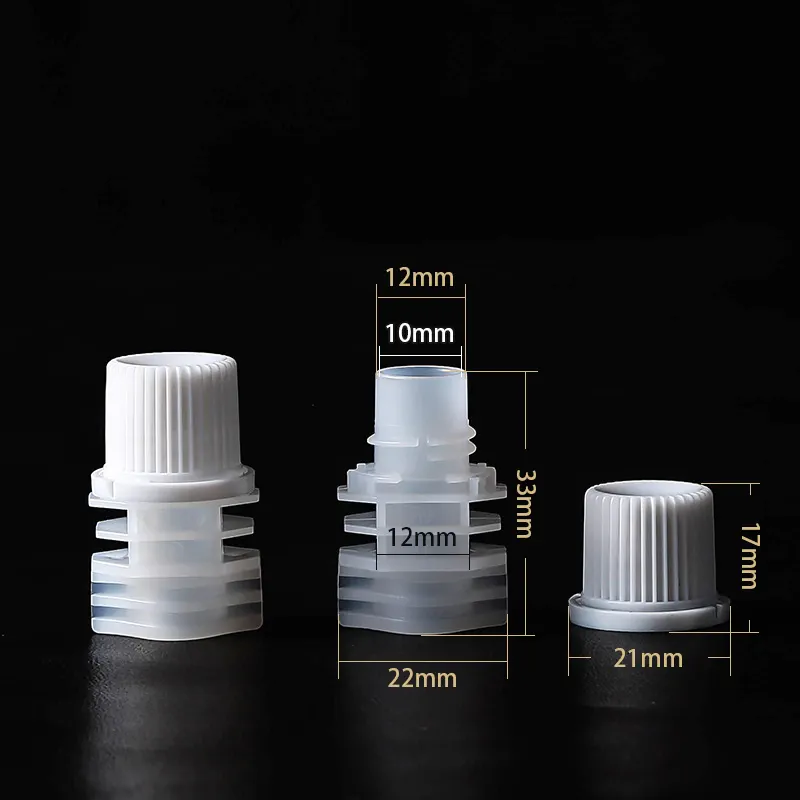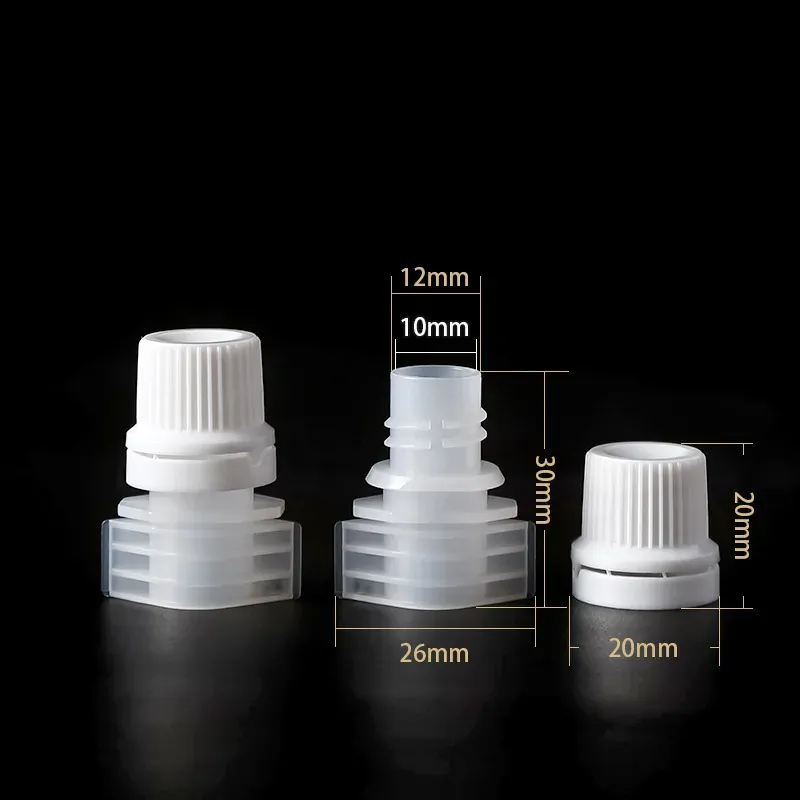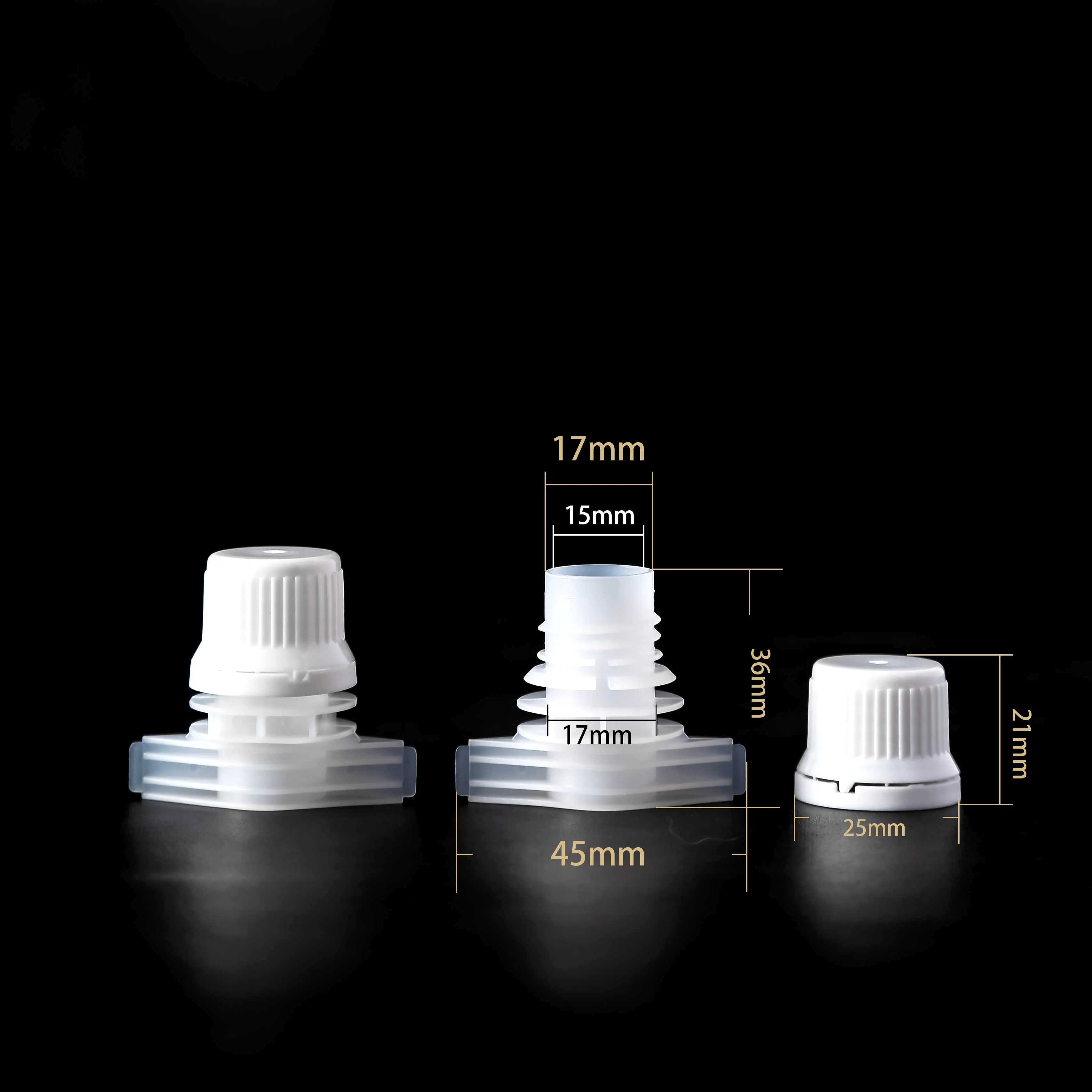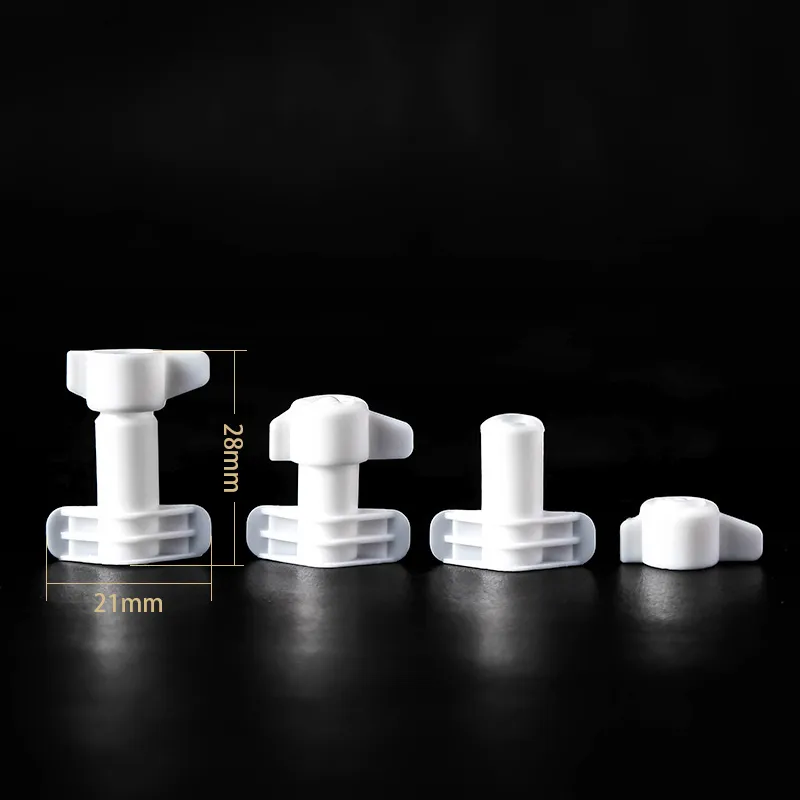



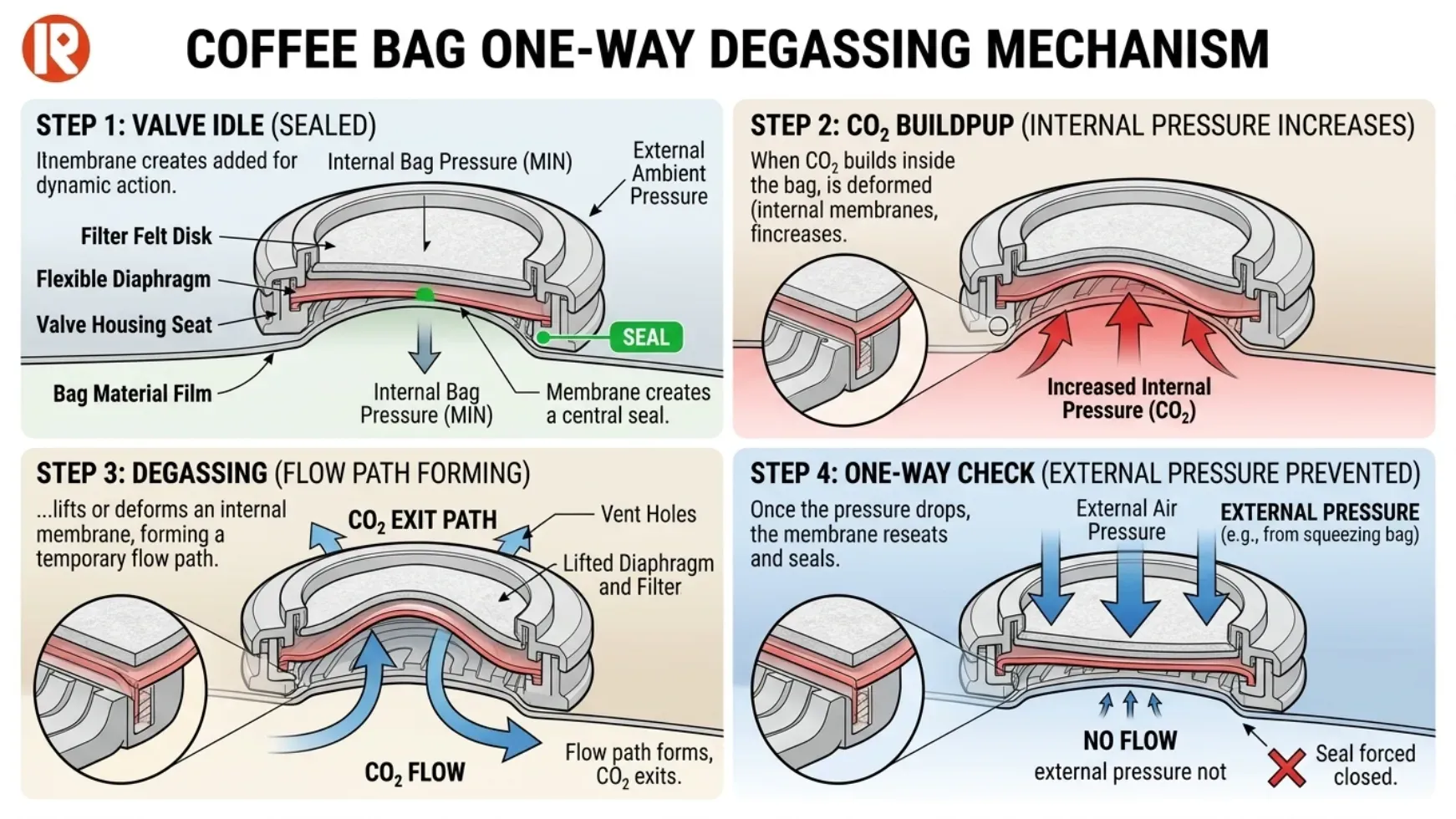
Roasted coffee continues releasing carbon dioxide after roasting. A one-way degassing valve allows this gas to escape while helping limit outside air from entering the package. However, choosing a valve is not only about the valve itself. The coffee spout pouch valve must also work with the pouch structure, fill level, sealing area, and filling process.
This is especially important when comparing flat-bottom, side-gusset, and spouted pouches. The same valve may work across different formats, but its position and installation requirements can change with the pouch geometry.
Together with Sanrun, a professional coffee degassing valve manufacturer, to find a coffee degassing valve that matches the packaging of your brand.
Why Does Pouch Structure Matter When Selecting a Coffee Degassing Valve?
A degassing valve needs a suitable area of the pouch through which gas can reach the valve. Its position must also remain functional after the pouch is filled, folded, sealed, and handled.
The Valve Needs Access to the Headspace
The valve should remain connected to the gas-filled area above the coffee rather than being buried in the product.
This means valve placement should be considered together with:
- Pouch dimensions
- Coffee fill weight
- Expected fill level
- Headspace
- Pouch expansion after filling
- Top seal and zipper position
A flat pouch drawing alone does not always show the final position of the coffee after filling. Filled pouch geometry can change considerably with product weight and pouch structure.
Filled Geometry Matters More Than the Flat Dieline
A valve location that looks suitable on an empty pouch may become problematic after filling.
For example, increasing the package from 250 g to 500 g can change the fill height and available headspace. Therefore, valve placement should be checked against the actual filled configuration rather than selected solely from the artwork or dieline.
Keep Clear of Seals, Folds, and Closures
The valve should not interfere with:
- Top and bottom seals
- Gusset folds
- Zippers
- Spout attachment areas
- Other structural components
The valve installation area also needs to remain compatible with the film and sealing process. Valve placement is therefore a packaging-system decision rather than an isolated component decision.
How to Match a Degassing Valve to a Flat-Bottom Pouch
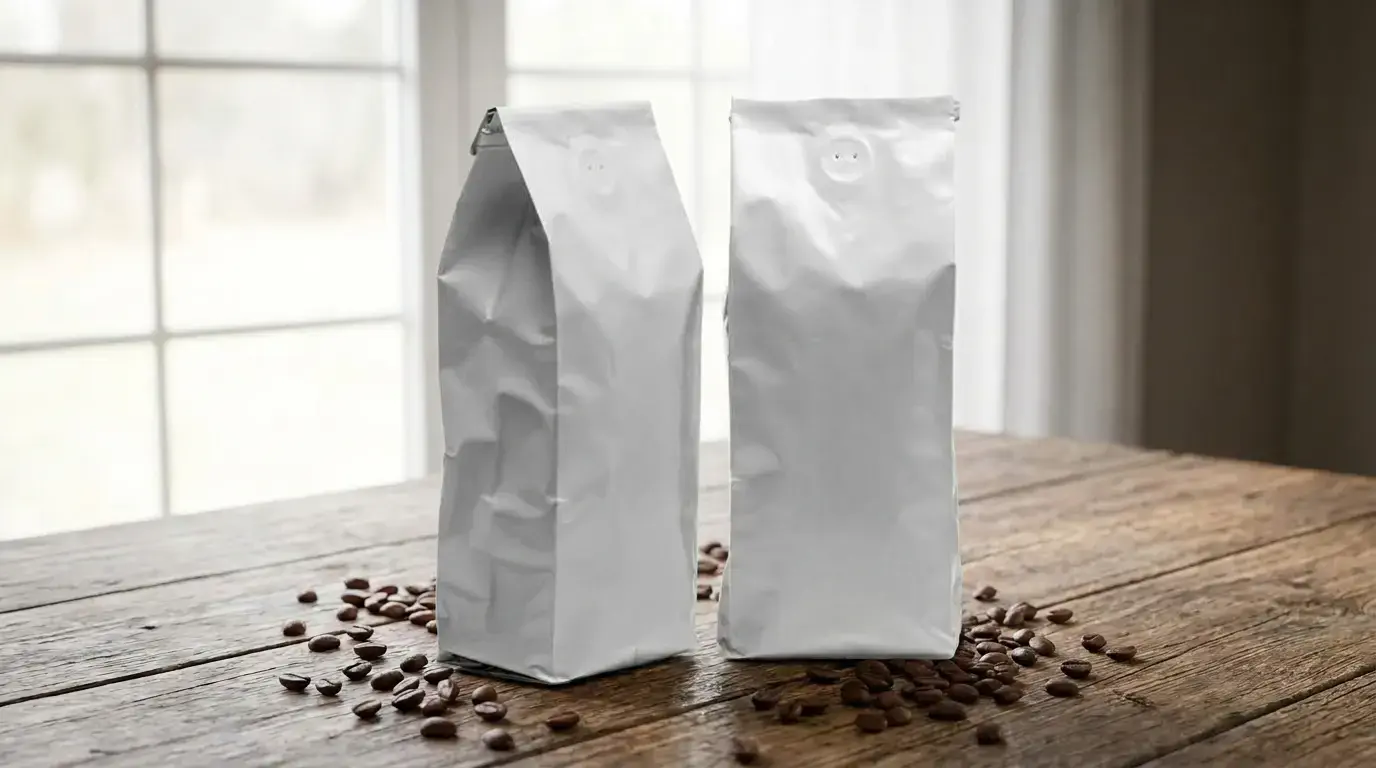
Flat-bottom coffee bags provide a relatively stable package shape with multiple panels and a structured bottom. They are commonly used for premium coffee packaging and can incorporate one-way degassing valves.
Use a Stable Panel Area
The valve is generally easier to integrate into a flat, stable panel than into an area affected by folds or structural transitions.
The available panel should provide enough space for the valve and its installation without interfering with:
- The top seal
- The zipper
- The bottom construction
- Printed artwork
- Other package features
Keep the Valve Away From the Bottom Structure
The bottom of a flat-bottom pouch has a more complex folded and sealed structure. Placing the valve too close to this area can make installation and package layout more difficult.
The upper panel area is often easier to evaluate because it provides a clearer relationship between the valve, coffee fill level, and headspace.
However, the exact location should still be determined from the filled pouch rather than from a universal distance.
Check the Filled Product Level
Fill weight directly affects the usable valve zone.
For a flat-bottom pouch, confirm:
- The pouch dimensions.
- The coffee fill weight.
- The expected settled product level.
- The remaining headspace.
- The available valve installation area.
This is particularly important when one pouch design is offered in several sizes.
Consider Artwork and Secondary Packaging
Valve placement can also affect the visual appearance of the finished bag and its interaction with cartons, labels, or display surfaces.
A technically functional location may still need adjustment if it conflicts with important branding areas or creates contact during packing and transportation.

How to Match a Degassing Valve to a Side-Gusset Coffee Bag
Side-gusset bags use folded side panels to provide additional volume. They are widely used for coffee packaging and can be fitted with one-way valves.
Avoid Active Gusset Fold Areas
The gusset is not simply another flat panel. It expands and folds as the bag is filled and handled.
A valve installed across an active fold can therefore create additional installation and structural concerns. The selected area should remain sufficiently stable when the pouch changes from its empty to filled shape.
Consider the Front and Back Panels
For many side-gusset designs, the front or back panel provides a more predictable surface for valve installation than a moving fold.
The decision should consider the complete bag structure, including:
- Gusset width
- Panel dimensions
- Fill weight
- Product level
- Seal configuration
- Valve installation method
The goal is to keep the valve functional while avoiding unnecessary interference with the gusset movement.
Check Gusset Expansion After Filling
A side-gusset bag can change shape significantly after filling. This can alter the relationship between the valve, coffee, folds, and headspace.
For this reason, valve placement should be tested on a filled sample whenever the pouch structure or size is new.
How to Match a Degassing Valve to a Coffee Pouch
Stand-up pouches have a flexible pouch body and bottom structure that allows the package to stand upright after filling. When adding a one-way degassing valve, the valve position needs to work with the pouch’s filled shape, closure, and sealing areas.
Consider the Stable Panel Area
The valve should be installed on a relatively flat and stable area of the pouch rather than across folds or structural transitions.
For a stand-up coffee pouch, consider the relationship between:
- Front and back panels
- Bottom gusset
- Zipper or other closure
- Top seal
- Coffee fill level
- Headspace
The available panel area can change after filling, so the valve position should be checked on the filled pouch rather than only on the flat pouch structure.
Keep the Valve Clear of Seals and Closures
The valve should not interfere with the top seal, zipper, bottom gusset, or other structural features.
A suitable location should provide enough space for valve installation while keeping the valve accessible to the headspace after the pouch is filled. This is particularly important when the same stand-up pouch design is produced in different sizes or fill weights.
Check the Filled Pouch Shape
Filling can change the pouch from a flat structure into a three-dimensional package. The bottom gusset expands, the coffee settles, and the available headspace changes.
Therefore, valve placement should be evaluated together with:
Pouch dimensions → fill weight → filled shape → fill level → headspace → valve position
For coffee spout packaging and other flexible coffee pouch projects, this same approach helps determine whether the valve can be integrated without interfering with the pouch’s functional structure.

How Should Valve Position Be Determined Across Different Pouch Formats?
Although flat-bottom, side-gusset, and spouted pouches have different structures, the same basic selection logic applies.
1. Start With the Filled Product Level
The valve should remain functionally connected to the headspace. Fill weight and coffee density can therefore affect the usable location.
2. Identify Structural Clearance
Mark areas occupied by:
- Seals
- Gusset folds
- Zippers
- Spouts
- Bottom structures
- Other attachments
The remaining stable area becomes the practical valve zone.
3. Check the Filling Process
Automatic filling equipment may use guides, grippers, suction cups, filling chutes, and sealing mechanisms around the pouch. Valve placement should not interfere with these operations.
4. Check Artwork and Secondary Packaging
The valve should also fit the intended front-facing design and downstream packaging requirements.
For a commercial coffee spout bags project, this can be particularly important when the package has several functional components competing for limited panel space.
Does the Valve Itself Need to Change for Different Pouch Formats?
Not necessarily.
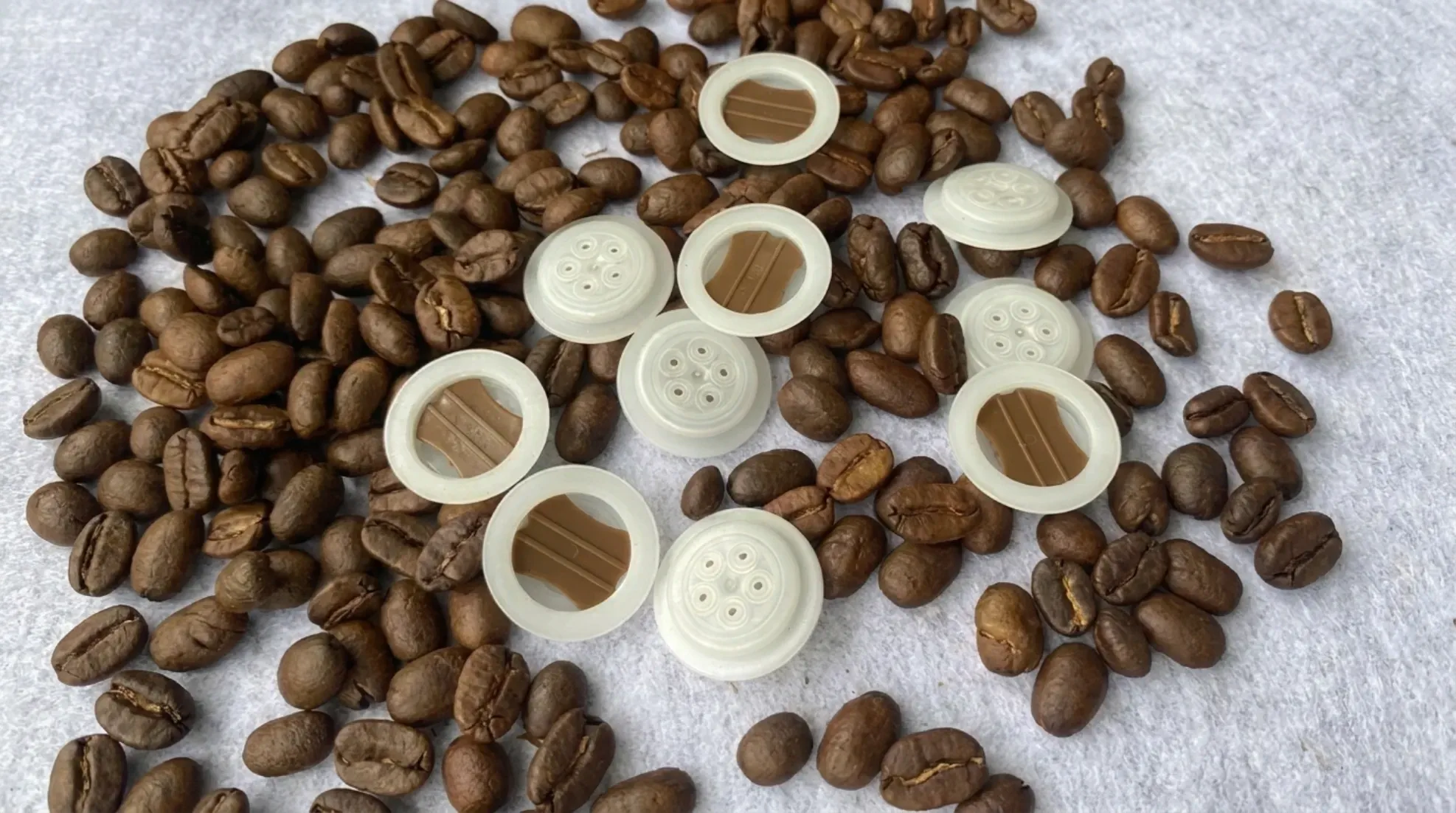
A degassing valve can potentially be used across multiple pouch formats when its specifications and installation method are compatible with the pouch structure. The main difference may be the placement rather than the basic valve function.
Valve Dimensions
The valve diameter and installation requirements need to fit the available pouch area and the selected application method.
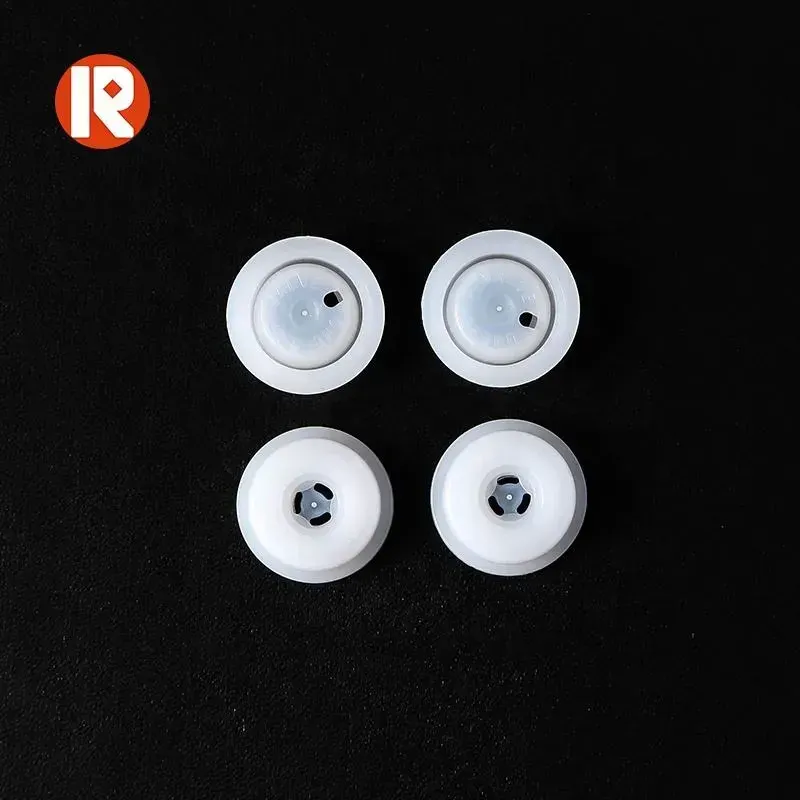
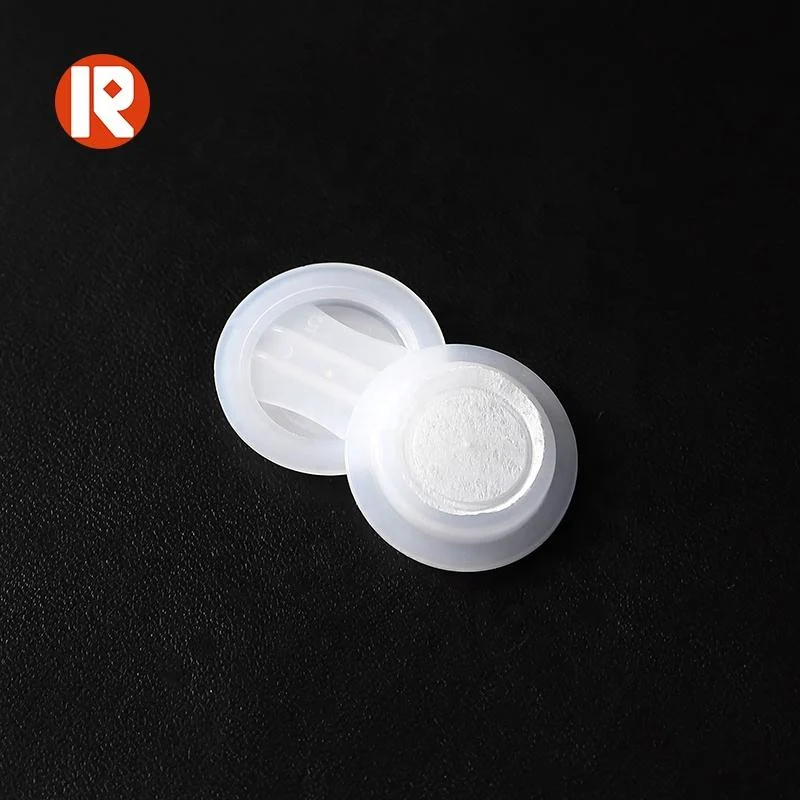
Sanrun, for example, offers one-way coffee degassing valves made with PE and silicone and provides different coffee valve options for packaging applications.
Filter and Valve Configuration
Valve performance depends on the internal degassing mechanism and its compatibility with the intended application. The appropriate configuration should be confirmed with the valve supplier rather than assumed to be universal.
Valve Attachment and Film Compatibility
The valve must also work with the pouch film structure and installation process.
Before mass production, confirm:
- Film structure
- Valve material
- Installation method
- Sealing conditions
- Pouch dimensions
- Filling process
Samples can then be used to verify compatibility before committing to bulk production.
Coffee Degassing Valve Selection by Pouch Format
| Pouch format | Main structural consideration | Valve placement priority | Key points to check |
|---|---|---|---|
| Flat-bottom | Multiple panels and structured bottom | Stable upper panel/headspace area | Fill level, bottom structure, zipper, artwork |
| Side-gusset | Moving side folds and expanded volume | Stable front/back panel area where appropriate | Gusset movement, fill height, folds, seals |
| Stand-up pouch | Flexible panels and bottom structure | Accessible headspace area | Zipper, top seal, filled shape |
These are structural guidelines rather than universal placement dimensions. Final positioning should be determined from the actual pouch dimensions, fill weight, film structure, and production process.
What Information Should Be Confirmed Before Finalizing the Valve?
A valve supplier or packaging manufacturer should have enough information to evaluate the complete application.
Pouch Format and Dimensions
Provide the pouch type, width, height, gusset dimensions, spout position if applicable, and available drawings or dielines.
Coffee Product and Fill Weight
Specify the coffee format and target fill weight for each pouch size. Different fill weights can create different fill levels and headspace conditions.
Film and Sealing Structure
Provide the film construction and relevant sealing information so the valve installation can be evaluated against the pouch structure.
Filling and Production Process
The filling equipment, sealing process, and expected production orientation can influence the practical valve location.
In short, the selection sequence should be:
Pouch → Coffee → Fill Weight → Film → Valve → Position → Filling Line
This is more reliable than selecting a valve first and trying to adapt the pouch afterward.
How Sanrun Supports Coffee Valve Applications
Sanrun supplies one-way coffee degassing valves for coffee, tea, and other food packaging applications. Its coffee valve products use a PE and silicone construction and are offered for wholesale and customized packaging applications.
Standard Coffee Valve Options
For standard projects, an existing coffee valve can simplify sampling and compatibility testing. Sanrun states that samples are available for evaluating compatibility, sealing, and degassing performance before production.


OEM and ODM Customization
For brands and packaging manufacturers requiring specific packaging configurations, Sanrun provides OEM/ODM support and customization options for its coffee valve products.
This can be useful when a coffee spout pouch valve needs to be integrated into a non-standard pouch layout or combined with other packaging components.
Manufacturing and Quality Control
Sanrun states that it operates more than 200 production lines and uses precision molds and standardized quality-control processes for its packaging components. Its product range includes both coffee valves and spout caps, allowing different pouch components to be sourced from the same manufacturer when the project requires both.
For wholesalers, distributors, and packaging brands, this can simplify coordination when developing coffee valve and spout-based packaging together.

Conclusion
Matching a coffee degassing valve to a pouch starts with the pouch structure, not the valve alone.
For flat-bottom bags, focus on stable panel areas, bottom structure, and filled product level. For side-gusset bags, account for gusset movement and avoid problematic fold areas. For spouted pouches, coordinate the degassing valve with the dispensing spout, seals, fill level, and production process.
Whether a project is described as coffee spout packaging, coffee spout bags, or conventional valve coffee bags, the same principle applies: the valve should be evaluated as part of the complete filled pouch system.
For bulk or customized projects, provide the pouch structure, dimensions, fill weight, film information, and production requirements to your coffee valve manufacturer before finalizing the specification.
FAQ
Can the same coffee valve be used for flat-bottom and side-gusset bags?
Potentially. If the valve specifications and pouch materials are compatible, the same valve may work across different formats. However, its installation position may need to change because the pouch structures and filled geometries are different.
Where should a degassing valve be placed on a flat-bottom coffee bag?
It should generally be located in a stable panel area with access to the headspace while remaining clear of seals, zippers, structural folds, and the bottom construction. The exact position depends on the filled pouch geometry.
Should the coffee valve be above the fill line?
The valve needs to remain functionally connected to the headspace rather than being buried in the coffee. The actual position should therefore be determined from the expected filled product level and pouch dimensions.
Does coffee fill weight affect valve placement?
Yes. Fill weight can change the product level, pouch expansion, and available headspace. A valve position suitable for one fill weight may need to be reviewed for another package size.
Does the pouch film affect coffee valve selection?
Yes. Film structure and sealing characteristics need to be compatible with the valve and its installation process. They should be confirmed before mass production.
What information should I provide to a coffee valve manufacturer?
Provide the pouch format, dimensions, fill weight, coffee product, film structure, sealing method, desired valve position, filling process, and any spout or zipper configuration. This gives the manufacturer enough information to evaluate the valve as part of the complete packaging system.