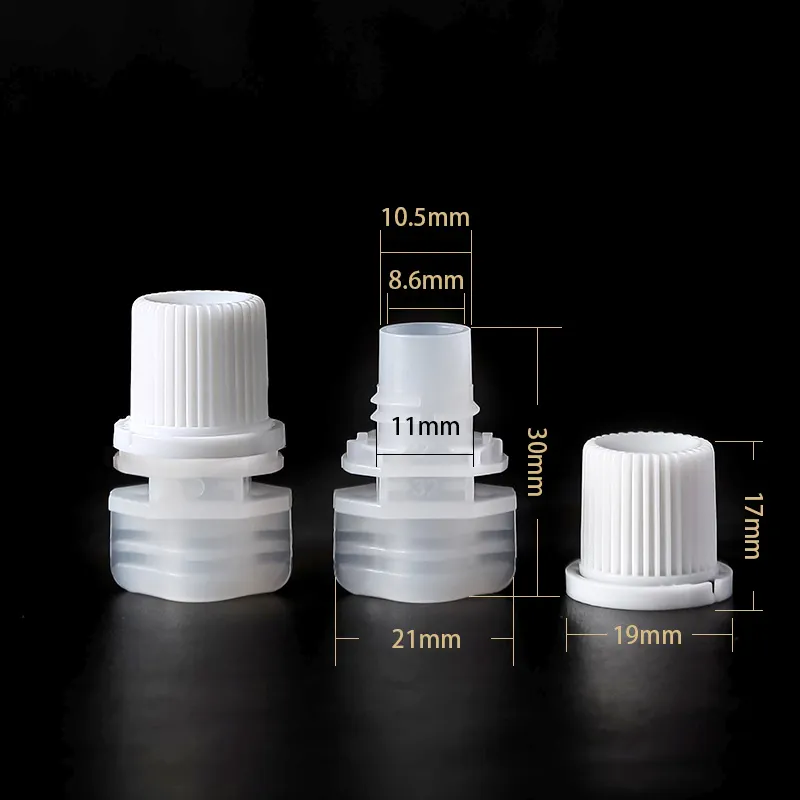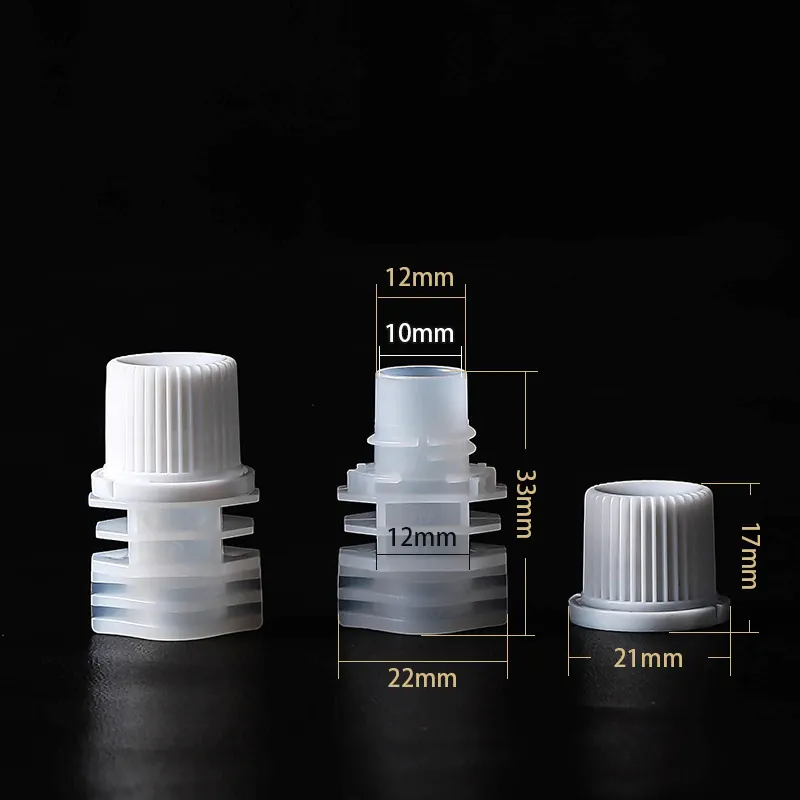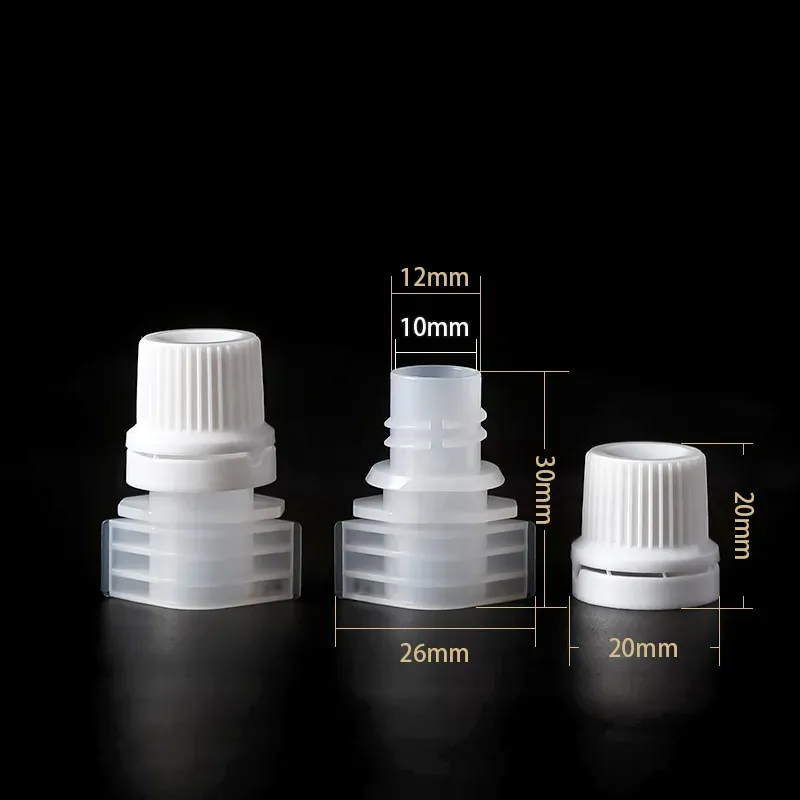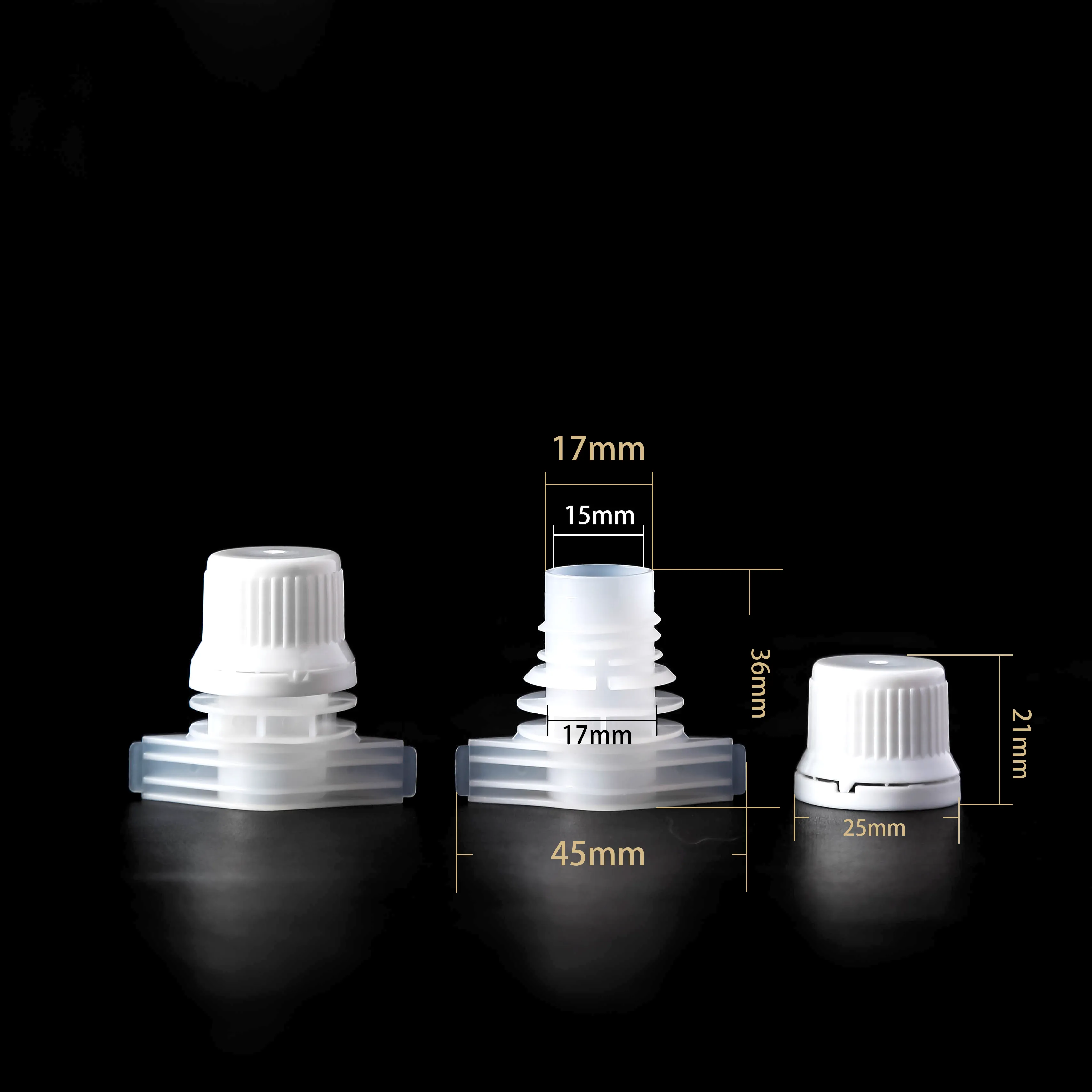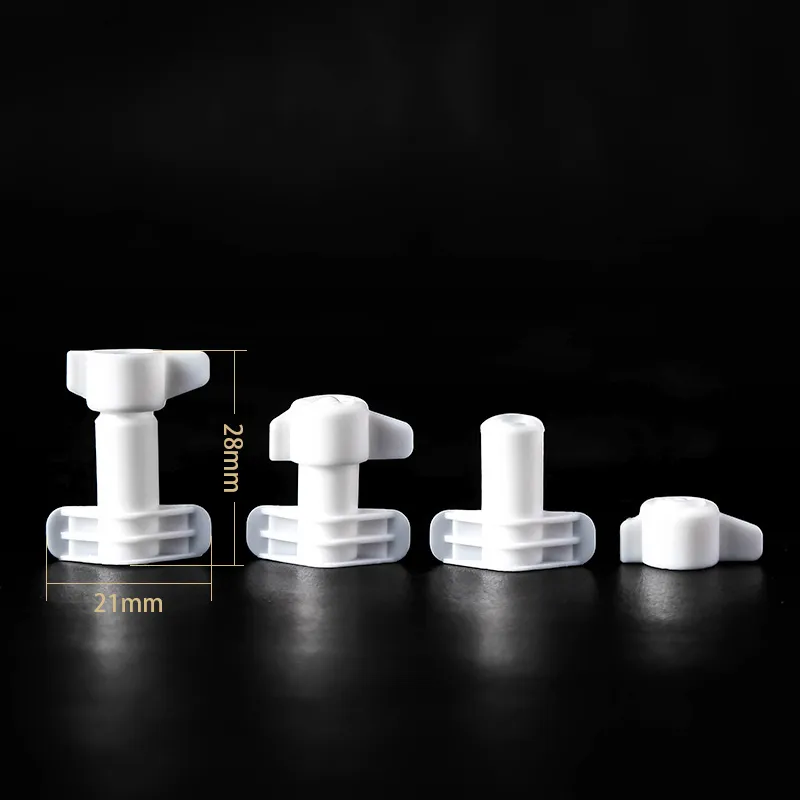







The size of the spout caps can be easily customized as you need. But knowing about the commonly used size in your industry may help you quickly start your brand new product line for obtaining profits.
We are a spout cap manufacturer with many years of production experience. Based on long-term global customer demand, our main export spout cap sizes include 8.6 mm, 10 mm, 16 mm, 22 mm, and 33 mm.
We will connect each of them to their typical and practical usage, so you can make a decision based on use case, not just specifications.
Overview of Common Spout Cap Sizes
Before diving into details, it is more useful to understand how these sizes function rather than treating them as isolated numbers.
| Size | Functional Role | Typical Flow Level |
|---|---|---|
| 8.6mm | Precision control | Low |
| 10mm | Balanced usage | Medium |
| 16mm | High flow | Medium–High |
| 22mm | Bulk dispensing | High |
| 33mm | Niche / extreme flow | Very High |
Each size exists because it solves a specific packaging problem. The goal is not to choose the “most common” size, but the one aligned with your product.
8.6mm Spout Cap: Best for Drinking and Precision Control
The 8.6mm spout cap is optimized for drinking. It prevents excessive flow and reduces the risk of spilling. This makes it particularly suitable for products where precise control is required during use.
Key Features
- Small outlet diameter
- Controlled and smooth flow
- Designed for direct consumption
Typical Applications
- Juice and beverage pouches
- Baby food packaging
- Nutritional liquids
- Travel-size liquids
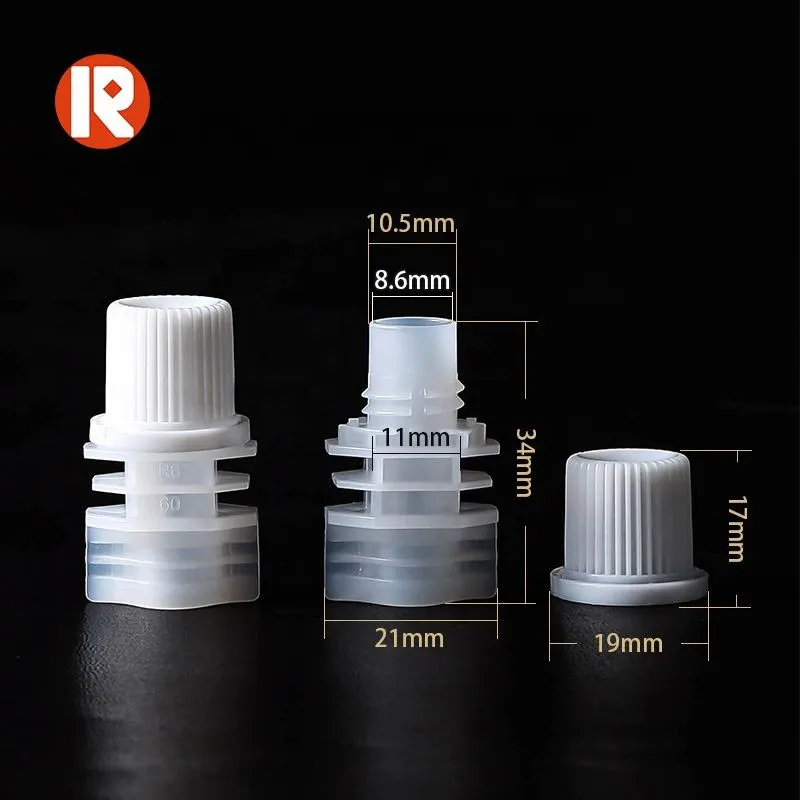
10mm Spout Cap: The Most Versatile Spout Cap Size For Pouches
The 10mm spout cap sits in the middle of the performance range. It balances flow performance for convenience and precise control. It also integrates well with standard pouch formats and filling lines.
Key Features
- Balanced flow rate
- Suitable for both drinking and pouring
Typical Applications
- Fruit juice
- Yogurt drinks
- Light sauces
- Liquid refills
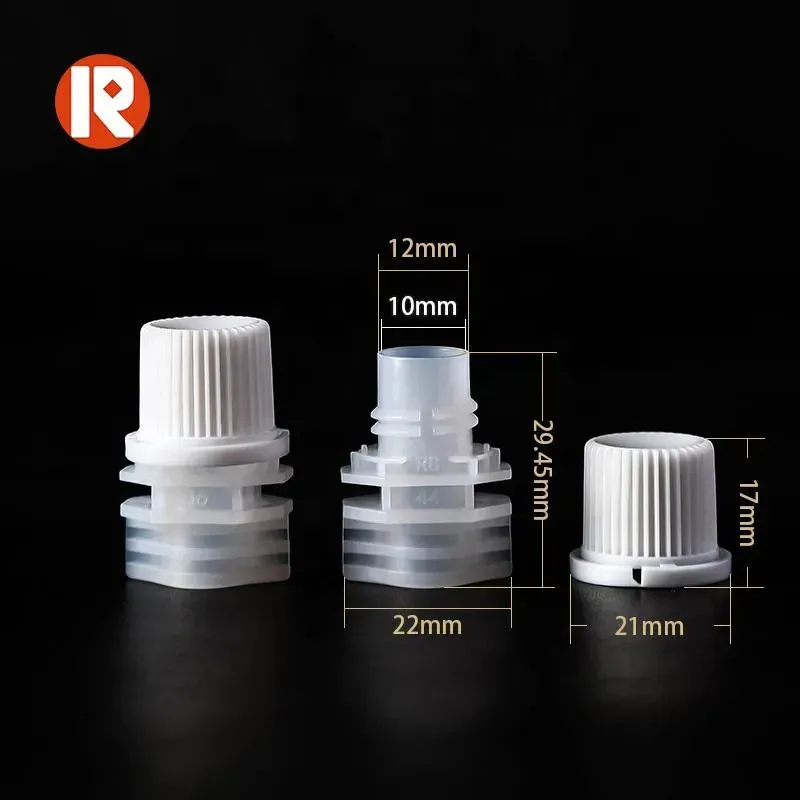
16mm Spout Cap: Ideal Spout Cap Size for Thick Liquids
Thicker liquids like shampoo, lotion, sauce, and honey require a larger spout cap to flow efficiently. A 16mm spout cap reduces clogging and improves dispensing speed, especially in squeeze applications.
Key Features
- Larger opening
- Reduced resistance for viscous products
Typical Applications
- Shampoo and conditioner
- Liquid detergent
- Honey and syrup
- Sauce products
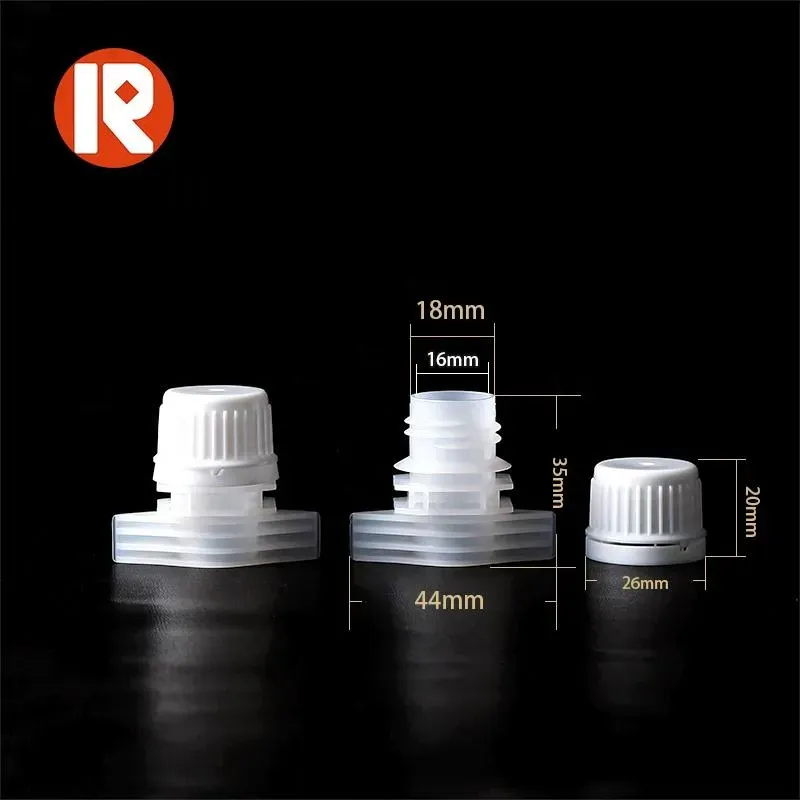
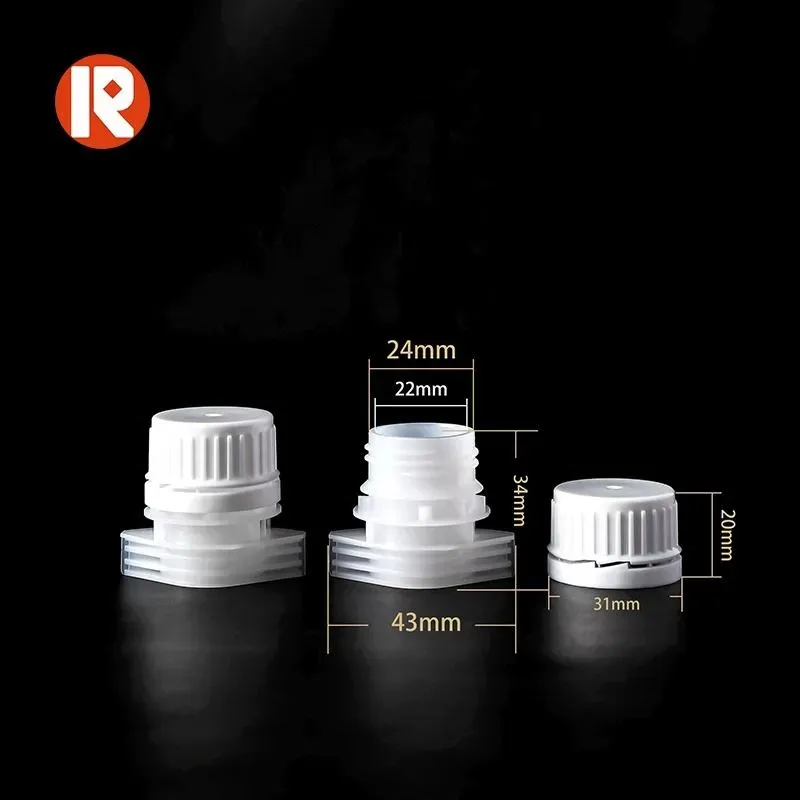
22mm Spout Cap: Designed for Large Volume Use
The 22mm spout cap is widely used in large-format and refill packaging because it delivers fast, efficient dispensing with minimal effort. It also aligns well with high-volume pouch structures and industrial filling requirements, making it a practical standard for bulk packaging applications. Buyers should notice that it is not suitable for small consumer packaging where precision matters.
Key Features
- High flow rate
- Suitable for bulk dispensing
Typical Applications
- Large refill pouches (>1L)
- Cleaning chemicals
- Industrial liquids
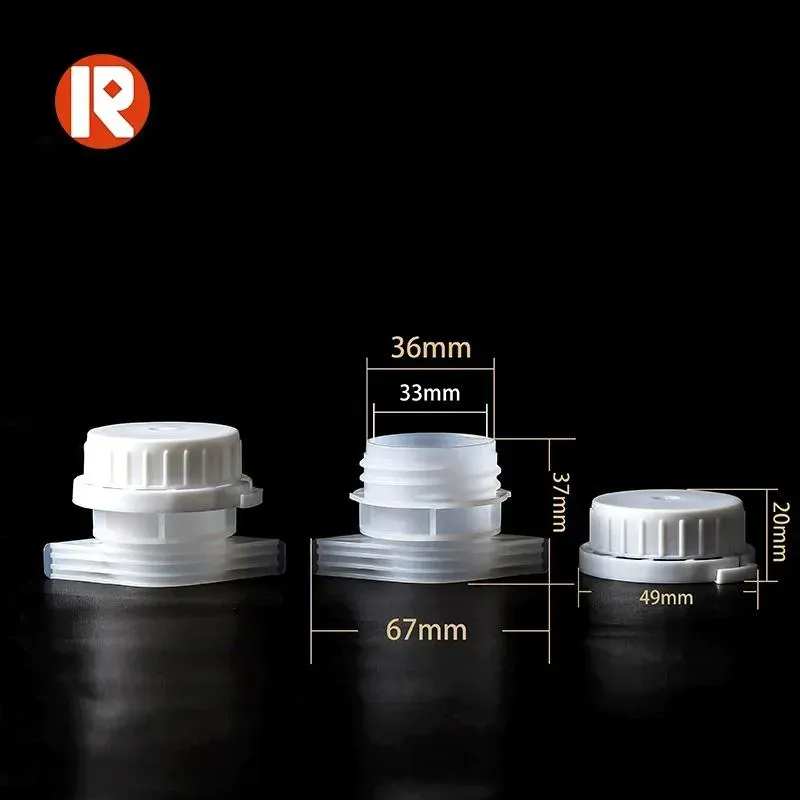
33mm Spout Cap is Specialized and Rarely Used
Most of the time, A 33mm spout cap introduces control issues and sealing complexity to consumer-grade products in a standardised factory. It is rarely compatible with standard pouch formats and is typically unnecessary for consumer products.
But it is common in industrial usage, like chemical liquids. For safety, sometimes you may actually need a different packaging solution rather than a flexible pouch.
Key Features
- Maximum flow capacity
- Very large opening
Typical Applications
- Industrial systems
- Non-standard packaging
- Bulk liquid transfer
Spout Cap Size Recommendation Table
| Size | Recommended Applications | Typical Product Types |
|---|---|---|
| 8.6mm | Drinking & precision dispensing | Juice, baby food, nutritional liquids, travel-size liquids |
| 10mm | General-purpose (drinking + pouring) | Fruit juice, yogurt drinks, light sauces, liquid refills |
| 16mm | Viscous product dispensing | Shampoo, conditioner, detergent, honey, sauces |
| 22mm | Large-volume & refill packaging | Cleaning chemicals, bulk liquids, large pouches (>1L) |
| 33mm | Industrial & specialized systems | Chemical liquids, bulk transfer, non-standard packaging |
Quickly Pair the Right Spout Cap Size with Your Pouches
1. Start With Product Viscosity
- Thin liquids: 8.6mm or 10mm spout cap
- Medium liquids: 10mm or 16mm spout cap
- Thick liquids: 16mm spout cap or larger
2. Define User Behavior
- Drinking: 8.6mm
- Controlled pouring: 10–16mm
- Fast dispensing: 16mm+
3. Match Packaging Volume
- Small pouches: smaller diameters
- Large pouches: larger diameters
Smaller pouches use smaller spout caps for precise, controlled pouring, while larger pouches require larger spouts for faster, easier dispensing.
4. Check Production Compatibility
The spout cap must align with:
- Filling equipment
- Sealing structure
- Pouch material
Ignoring this step creates operational problems, regardless of the selected size.
Conclusion
Choosing the right spout cap size is not about picking the most common number—it’s about matching the cap to your product, packaging, and end-user needs. Small diameters like 8.6mm ensure precise control for drinking and high-value liquids, while medium sizes such as 10mm and 16mm balance flow and versatility for general-purpose and viscous products. Larger caps, 22mm and above, are suited for bulk or industrial applications but sacrifice dispensing control for consumer use.
By considering viscosity, user behavior, pouch volume, and production compatibility, you can select a spout cap that optimizes performance, reduces waste, and enhances customer experience. Starting your product line with these insights ensures efficiency and reliability from filling to final use.
About Sanrun

Sanrun is a professional spout cap manufacturer, offering an extensive stock of standard sizes (8.6mm–33mm) for B2B clients to meet diverse product needs. With certified production and technical expertise, we help solve dispensing, sealing, and compatibility challenges.
Sanrun also provides a fully custom spout cap solution—from size and structure to branding—ensuring reliable performance and efficient production for beverage, liquid food, and industrial applications.