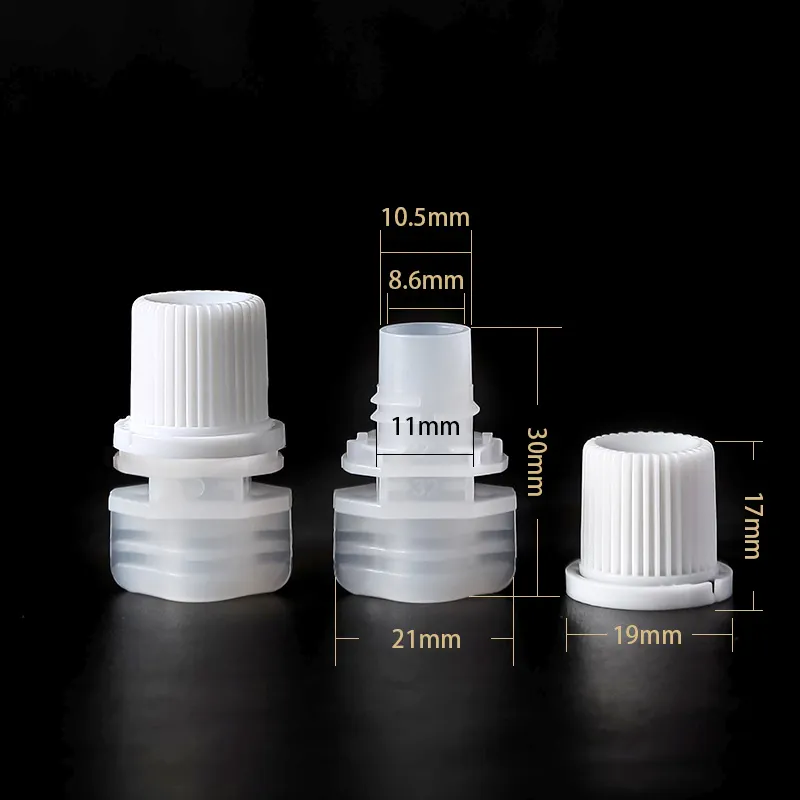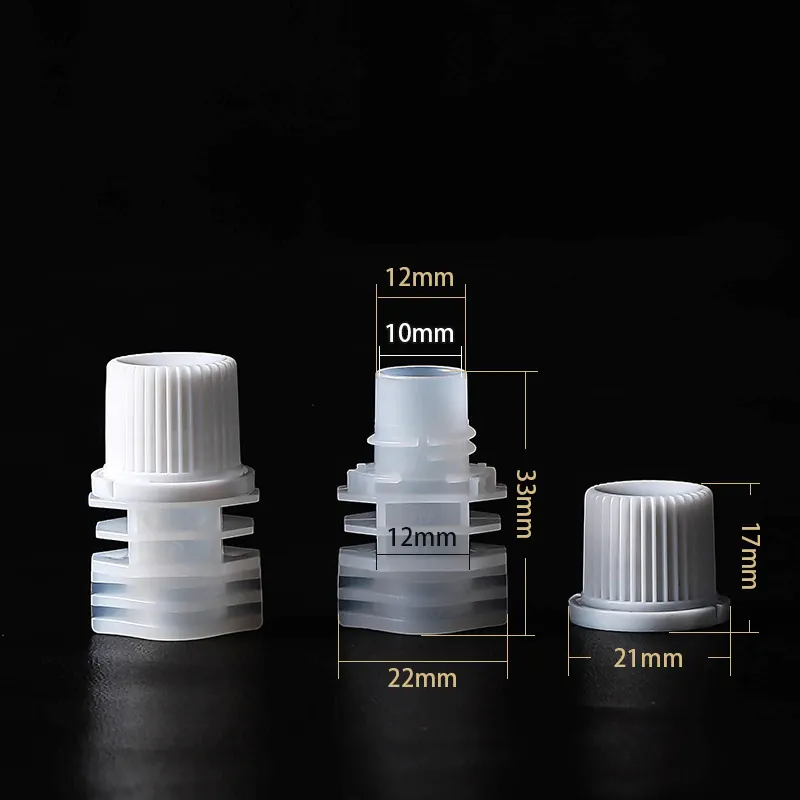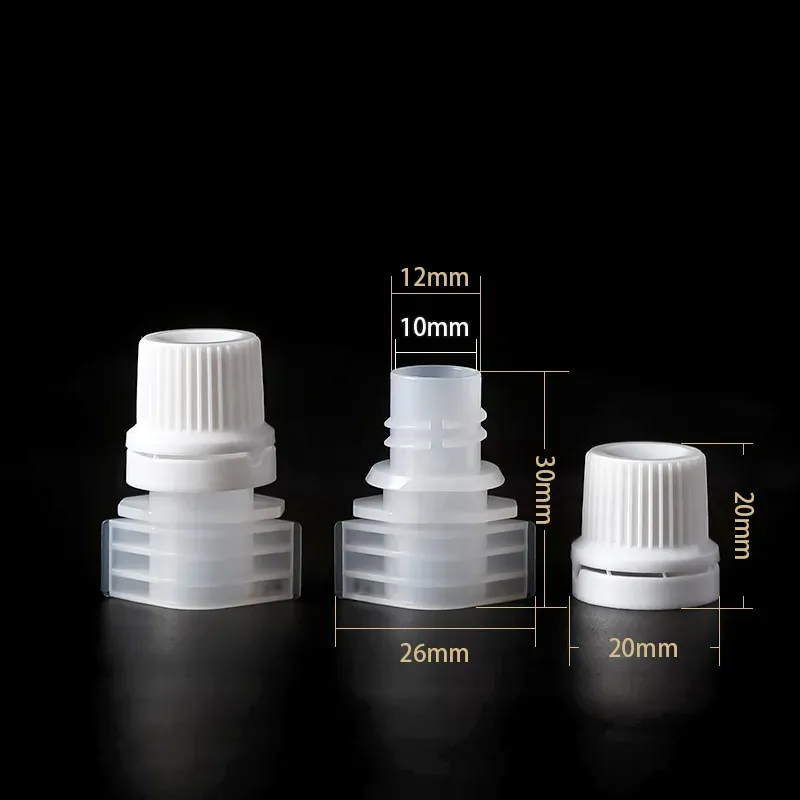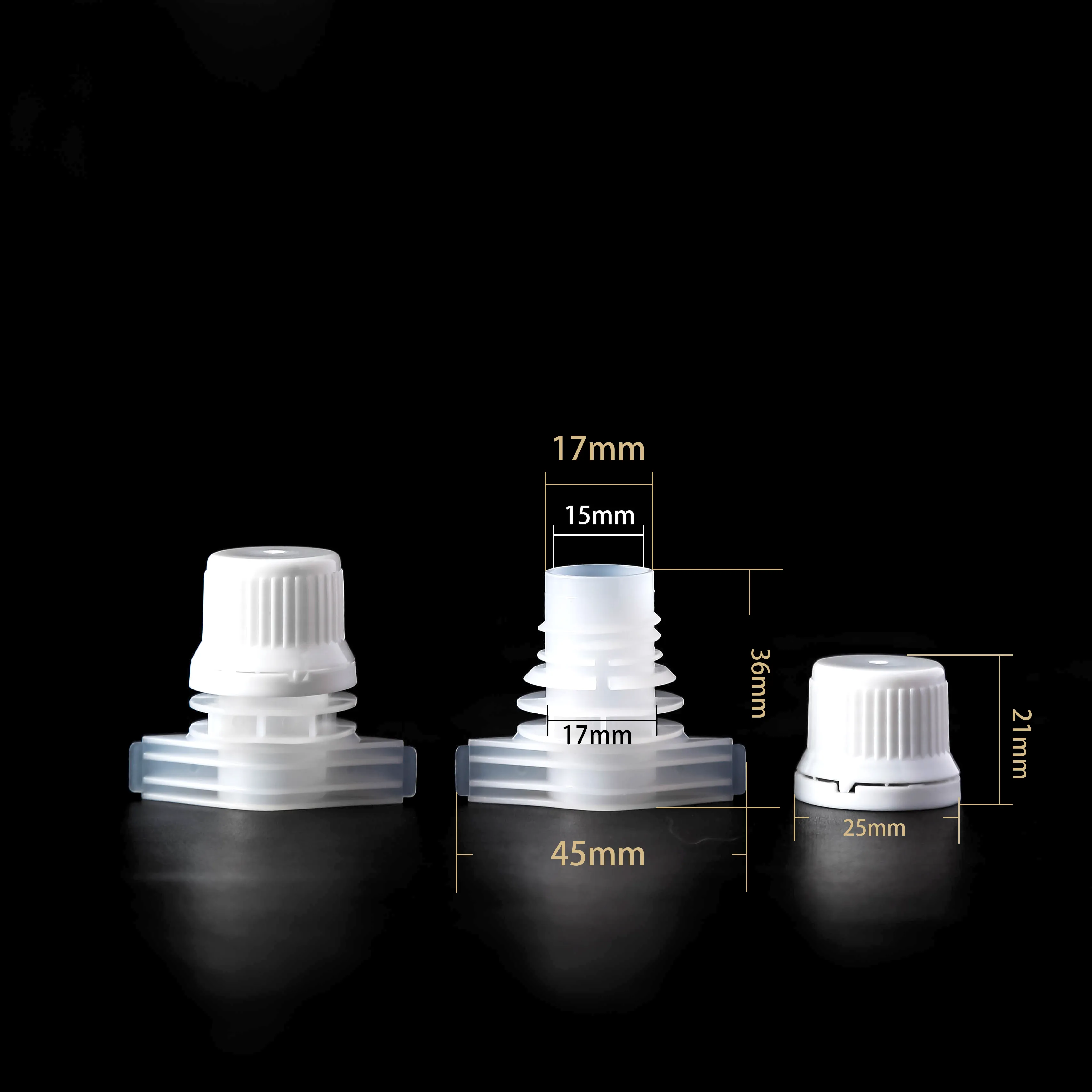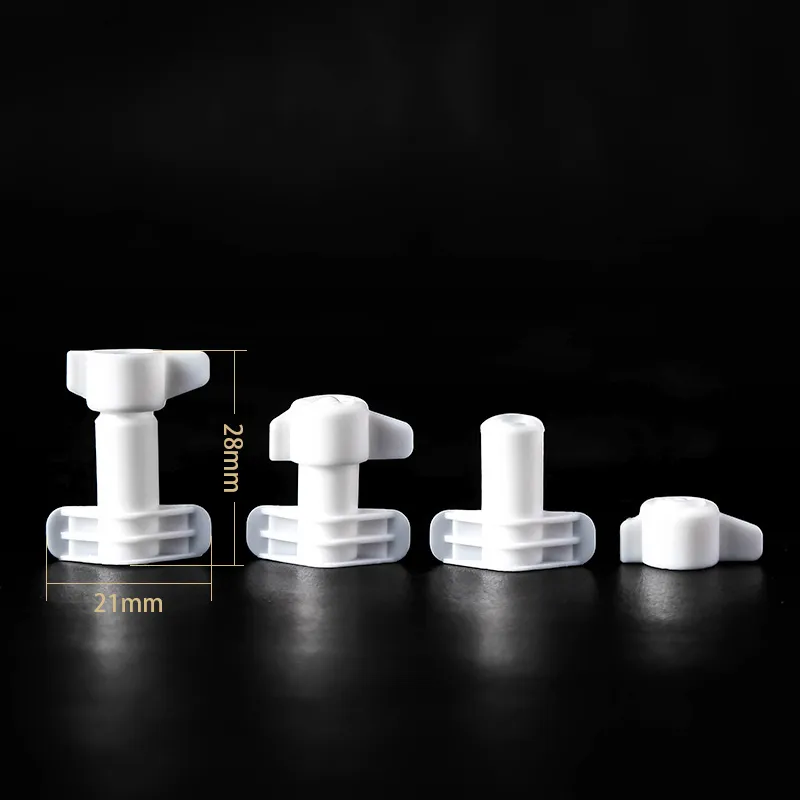







Freshly roasted coffee releases gases that can pressurize sealed bags—packaging must manage that pressure without exposing beans to oxygen. So, the valve was to play its role.
Sanrun, a one-way coffee valve manufacturer, suggested that brands should add a one-way degassing valve if they want to make the brand premium.
Why Do Coffee Bags Have Valves?
CO₂ Release After Roasting
Roasted coffee continues to emit carbon dioxide for days or weeks after roasting. The degassing profile depends on roast level, bean density, and storage temperature. If that gas is trapped, internal pressure increases—this is a physical process, not a packaging defect.
Preventing Bag Inflation and Rupture
A sealed bag without pressure relief can visibly swell, stress seals, or, in extreme cases, cause rupture. A one-way coffee valve provides a controlled escape path for CO₂ while keeping the package closed against outside air. That prevents mechanical failures on the line, in transit, and at retail.
Maintaining Freshness and Protecting Aroma Compounds
Oxygen is the enemy of coffee aroma and flavor. By letting CO₂ out but preventing air ingress, a coffee valve helps preserve volatile aroma compounds and slows oxidation. For specialty roasters and brands that sell by aroma and flavor, that preservation is a commercial necessity.
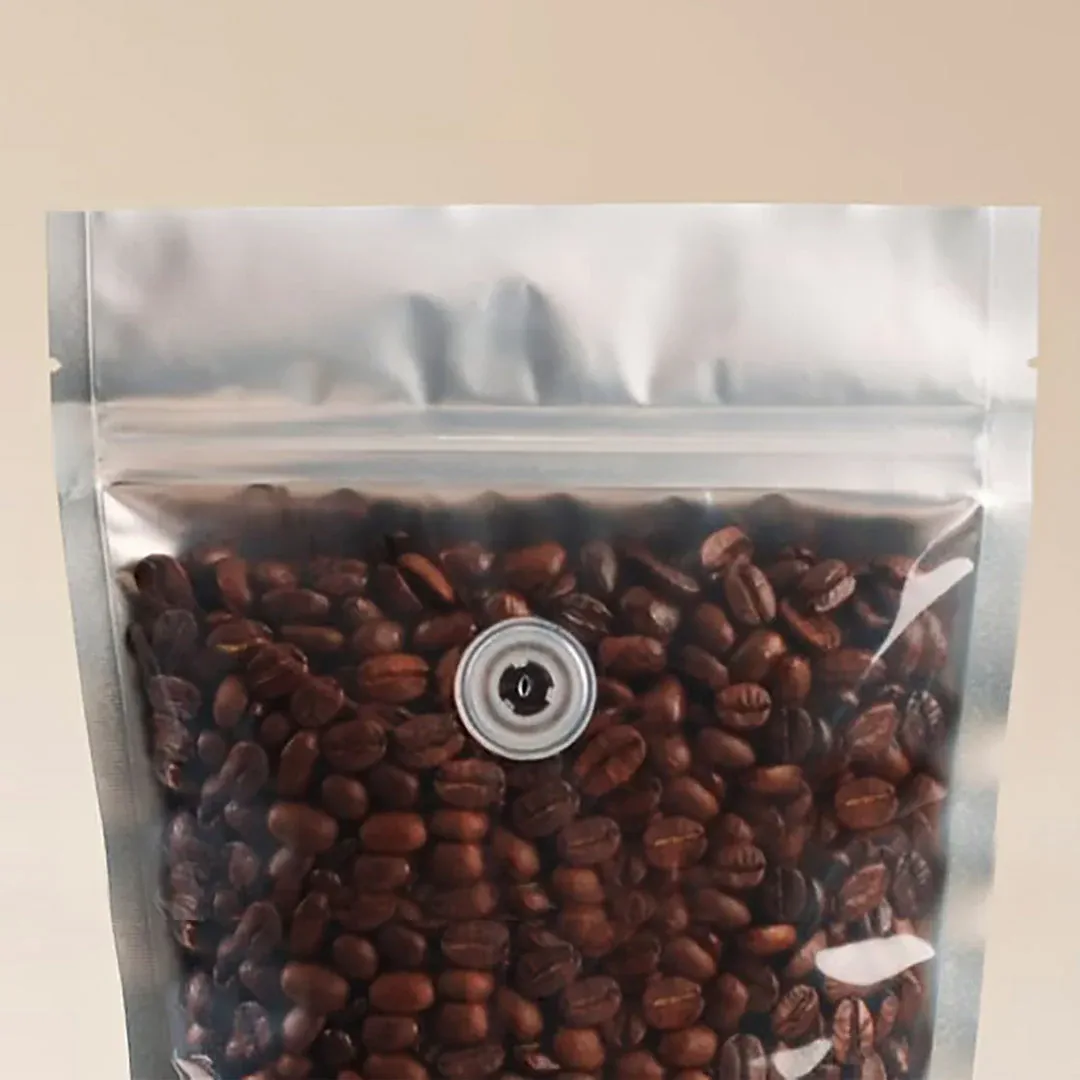
How do Coffee Valves work?
Typical Valve Structure
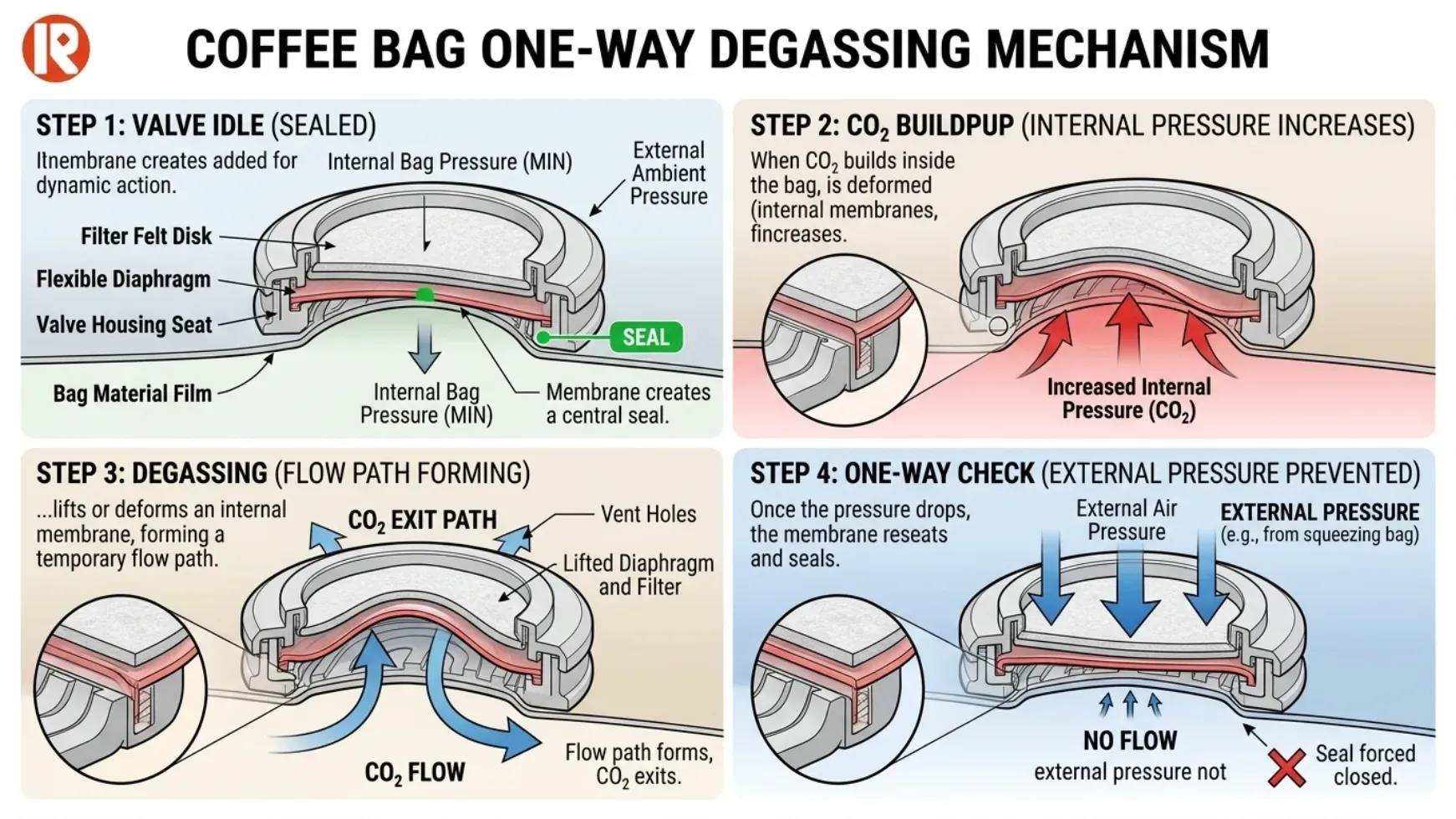
Most practical coffee valve designs share three elements:
- Plastic housing — the mechanical body that mounts to the pouch.
- Flexible diaphragm or membrane — the moving part that responds to pressure differentials.
- Filter or dust layer — optional, prevents particulate ingress and keeps the valve channel clean.
Coffee valve manufacturers tune housing geometry, membrane material, and opening pressure to match roast profiles and logistics conditions.
One-Way Degassing Mechanism
A coffee valve is a directional vent: internal pressure opens the valve; external pressure does not. When CO₂ builds inside the bag, it lifts or deforms an internal membrane, forming a temporary flow path. Once the pressure drops, the membrane reseats and seals.
Pressure-Controlled Venting and Calibration
Valves are specified by opening pressure: the internal pressure (often measured in mbar) required to unseat the membrane. Correct calibration avoids nuisance venting during normal handling while ensuring gas escapes when degassing intensity is high—particularly within the first 48–72 hours after roast.
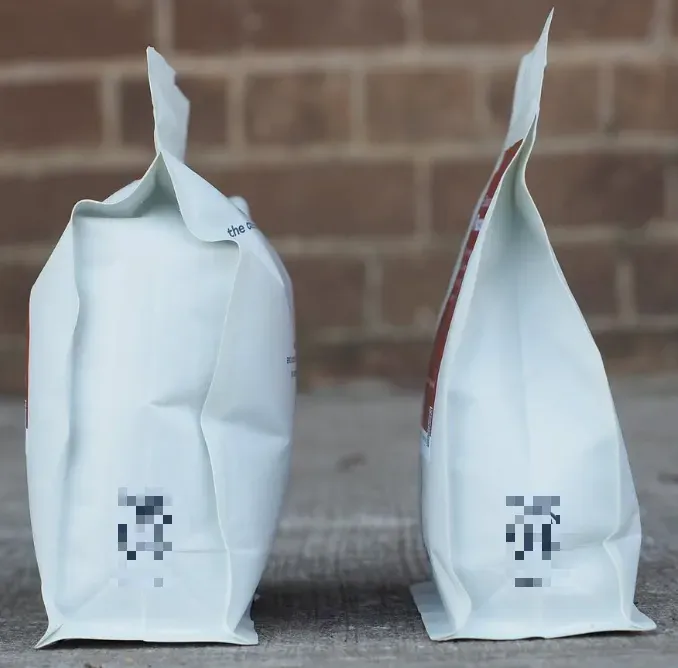
What Happens If Coffee Packaging Do Not Have Valves?
Risk of Package Expansion
Gas accumulation causes visible inflation. Swollen bags look unprofessional and consume more storage volume.
Possible Packaging Failure
Repeated internal pressure cycles stress seals and glue joints. That raises the probability of leaks developing during transport, especially in long or multi-modal supply chains.
Reduced Coffee Quality
To avoid pressure risks, some roasters delay sealing or use vented/loose packaging. That exposes beans to oxygen and accelerates flavor loss. In short-shelf or direct-to-consumer models, this tradeoff can work; for retail or export, it is usually untenable.
Are These Valves For Coffee Bags Always Required?
When Are Coffee Valves Necessary?
Whole-Bean Packaging
Whole beans degas over a longer period than ground coffee; valves are strongly recommended for whole-bean retail packs.
Freshly Roasted Coffee
Coffee sealed within hours of roasting produces the most CO₂. If you roast and ship quickly, a valve is essential.
Long-Distance Distribution and E-commerce
Packages traveling across continents or sitting in warehouses for weeks benefit from valves to avoid deformation and maintain aroma.
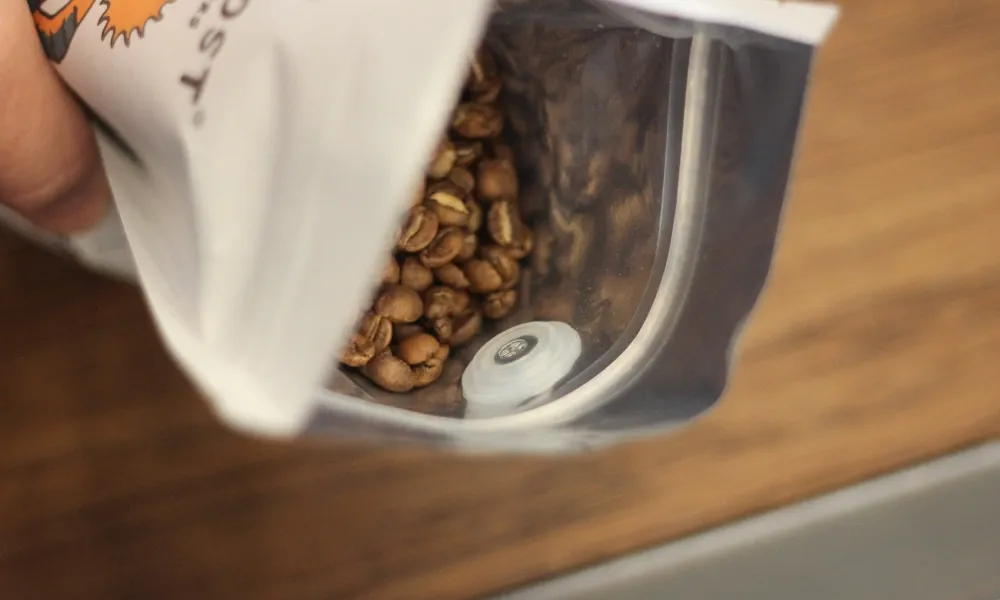
When Are One-Way Degassing Coffee Valves Less Necessary?
Ground Coffee and Instant Products
Grinding accelerates degassing and increases surface area; some ground products are stabilized differently (e.g., nitrogen flushing, vacuum packing), and valves may be less critical.
Vacuum and Modified Atmosphere Packaging
Industrial vacuuming or MAP (nitrogen flush) can remove gas before sealing. These methods can sometimes replace valves but add cost and equipment complexity.
Short Shelf-Life, Local Sales
Small roasteries that sell within days may intentionally skip valves for cost reasons, tolerating minor bag inflation or selling via open-top formats.
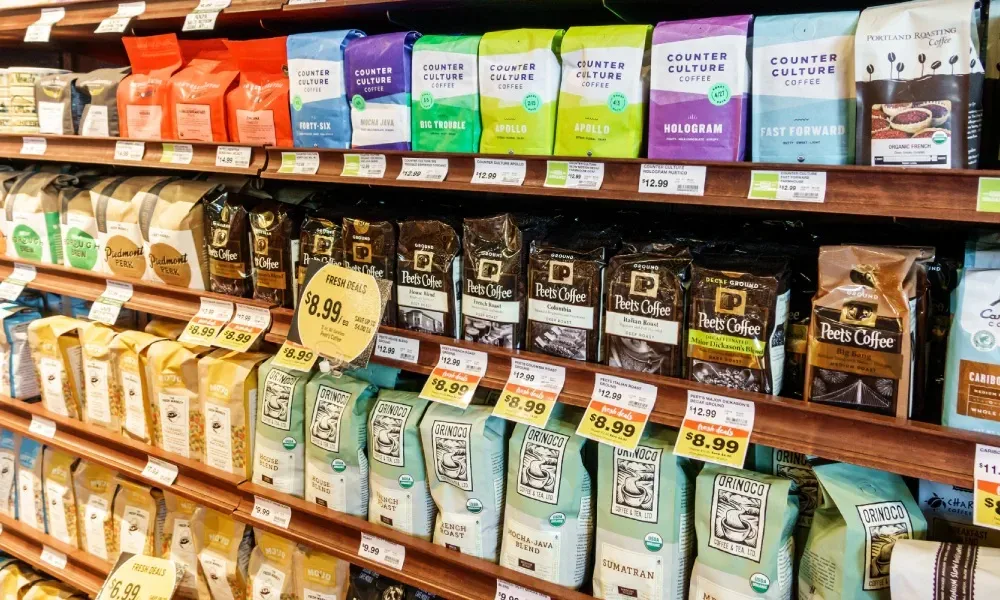
Types of Coffee Valves For Coffee Packaging Bags
External (Surface) Valves
Mounted to the bag exterior; easy to inspect and replace. Most common in flexible pouch applications.
Internal (Embedded) Valves
Integrated into multilayer laminates or applied during lamination; suitable for high-speed automated lines where a low profile is required.
Sustainable and Recyclable Valve Options
Recent development focuses on valves compatible with mono-material pouches or made from recyclable polymers. Sustainable valves aim to preserve degassing function while simplifying end-of-life recycling.
Benefits of Using a Coffee Valve
- Maintains aroma and sensory quality during transport and storage.
- Prevents package deformation and seal failures.
- Extends practical shelf life compared with non-vented packs.
- Enhances perceived product quality at retail.
- Reduces returns, complaints, and waste caused by damaged packaging.
Practical Considerations for Roasters and Packaging Engineers
- Match valve opening pressure to roast profile. Light roasts and dark roasts degas differently—tune accordingly.
- Choose the valve type based on the filling process. External valves are simpler for manual or semi-automatic lines; embedded valves better suit high-speed automation.
- Consider film and seal strength. A valve solves venting, not weak welds—select compatible film laminates and test seal performance under cycling pressure.
- Test under logistics conditions. Simulate temperature swings and altitude changes; valve behavior can change with ambient conditions.
- Assess sustainability tradeoffs. Recyclability goals may require valve and pouch co-design (mono-material approaches).
Conclusion
From a performance and brand-protection standpoint, a coffee valve is more than a convenience; it is a packaging control element that balances degassing and oxygen exclusion. For whole-bean products, freshly roasted lots, and any supply chain involving storage or transport, a properly specified coffee valve is effectively standard practice. Where vacuuming or short-life sales are possible, valves can be optional—but that choice should be a deliberate tradeoff based on logistics, product positioning, and quality targets.
About Sanrun

Sanrun is a specialized manufacturer of one-way coffee degassing valves, serving B2B clients worldwide in specialty coffee and retail packaging. With precise control over membrane calibration, housing design, and batch consistency, we ensure each coffee valve delivers stable performance across production runs.
Sanrun offers fully custom coffee valve solutions—including external and embedded valves, opening-pressure tuning, and sustainable materials—tailored to client roast profiles, pouch types, and automation needs. By combining engineering expertise with reliable quality control, Sanrun is aiming at helping brands protect aroma, maintain package integrity, and enhance premium product presentation.