






Roasted coffee continues to release carbon dioxide after roasting. A one-way coffee valve allows this gas to escape from the package while helping prevent external air from entering. When the valve does not perform correctly, coffee packaging can experience swelling, leakage, poor degassing, or reduced product protection.
For coffee brands and flexible packaging manufacturers, identifying the cause of coffee valve defects is important because the problem may originate from the valve itself, its manufacturing process, or its integration with the coffee pouch. As an experienced one-way coffee valve manufacturer, Sanrun will share some common defects in the manufacturing of degassing coffee valves and their solutions.
What Causes Defects in One-Way Coffee Valves?
Coffee valve performance depends on several components working together. A defect is rarely caused by a single factor.
Material and Component Variation
The membrane and other valve components must maintain stable physical properties. Variation in material characteristics, component dimensions, or membrane thickness can change the pressure required to open or close the valve.
For example, inconsistent membrane properties can cause different valves from the same batch to release CO₂ at different pressures. This makes coffee valve opening pressure difficult to control and can lead to inconsistent degassing performance.
Manufacturing and Assembly Errors
The valve’s small components require controlled dimensions and accurate assembly. Minor deviations can affect the relationship between the membrane, valve body, and sealing surfaces.
Unstable assembly parameters can also produce differences between individual valves. For high-volume coffee packaging, these small variations can become significant when thousands or millions of valves are used.
Inadequate Quality Control
A valve may look visually acceptable while still having functional problems. Relying only on appearance inspection is therefore insufficient.
A proper coffee valve quality control process should include dimensional inspection and functional testing, particularly for opening pressure and leakage.

Common Coffee Valve Defects and How to Solve Them
Coffee Valve Does Not Open Properly
One common coffee valve problem occurs when the valve requires excessive internal pressure before opening.
Symptoms include:
- CO₂ cannot escape effectively
- Coffee bags become swollen
- Internal pressure increases
- Degassing takes longer
The problem may result from excessive opening pressure, an unsuitable membrane, dimensional variation, or incorrect assembly.
The solution is to control the membrane properties and critical component dimensions while establishing a defined opening-pressure range. Functional testing during production can then identify valves that fall outside the required specification.
Coffee Valve Leaks or Allows Air to Enter
A coffee valve leakage problem can compromise the protective function of the package. A one-way valve should allow gases generated by roasted coffee to escape while limiting unwanted air ingress.
Possible causes include damaged membranes, poor sealing, contamination between sealing surfaces, or inconsistent component assembly.
Manufacturers can reduce this risk by controlling membrane quality, maintaining clean production conditions, optimizing the sealing structure, and conducting leakage tests rather than relying only on visual inspection.
Valve Opens Too Easily
The opposite problem can also occur: the valve opens at a pressure that is too low.
When the opening pressure is below the required specification, the valve may not provide the intended level of gas-control performance. Inconsistent membrane properties or poor dimensional control can contribute to this problem.
Manufacturers should establish an appropriate opening-pressure specification based on the intended coffee application and verify the specification through batch-level testing.
Valve Does Not Seal Consistently
A valve can also show inconsistent sealing performance, where some units work correctly while others allow leakage.
This can result from dimensional variation, uneven assembly, inconsistent materials, or contamination around the sealing area.
The solution is not simply to increase inspection after production. The manufacturing process itself should be stabilized through tighter component tolerances, standardized assembly parameters, controlled materials, and appropriate in-process inspection.
Valve Detaches From the Coffee Bag
Not every coffee bag valve problem originates inside the valve.
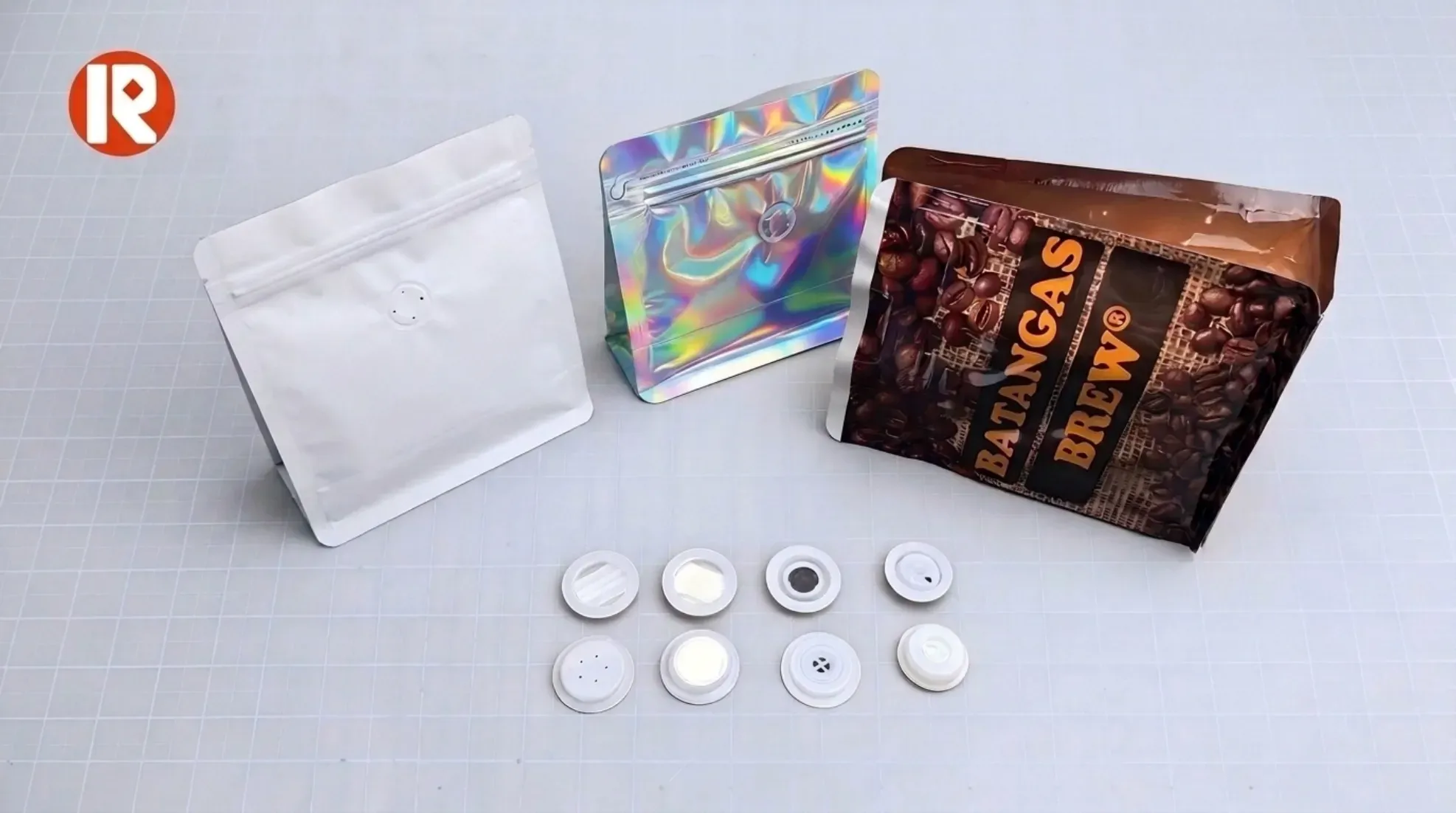
The connection between the valve and flexible packaging is another potential failure point. Poor valve-to-film compatibility, incorrect sealing parameters, or insufficient attachment strength can cause the valve to loosen or detach during transportation.
The valve and pouch should therefore be evaluated as a complete system. Manufacturers should optimize the attachment process and conduct strength testing using the actual packaging film and structure.
Inconsistent Valve Opening Pressure
Opening pressure consistency is particularly important for high-volume coffee packaging.
If some valves open earlier than others, different coffee bags may experience different CO₂ release behavior. Some valves may also require excessive pressure before activation.
Common causes include inconsistent membrane properties, component dimensional variation, unstable assembly pressure, and insufficient process control.
To improve consistency, manufacturers should control membrane material and thickness, maintain tighter component tolerances, standardize assembly parameters, and perform coffee valve opening pressure testing during production.
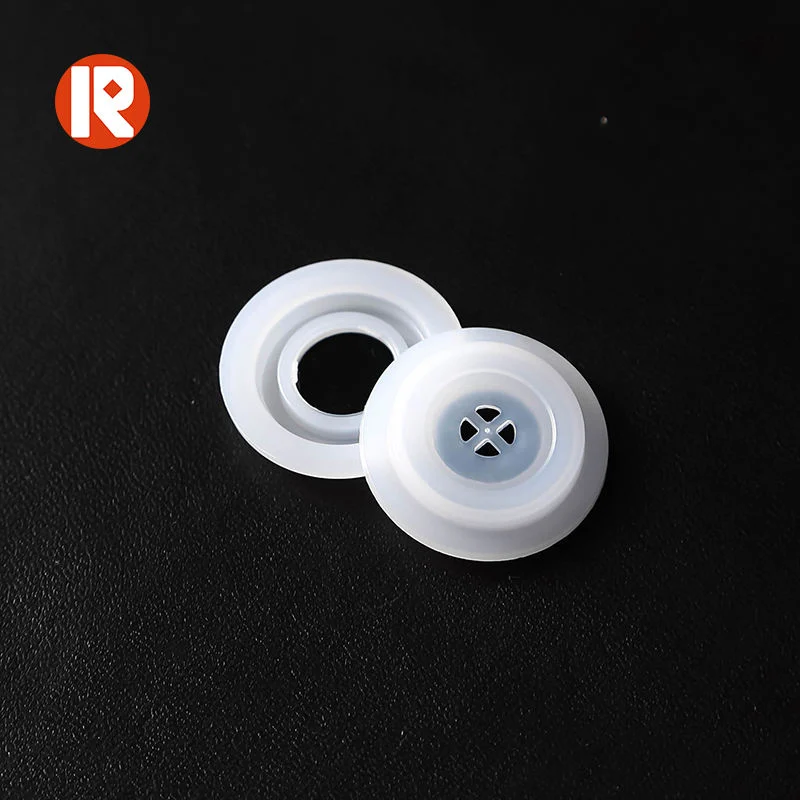
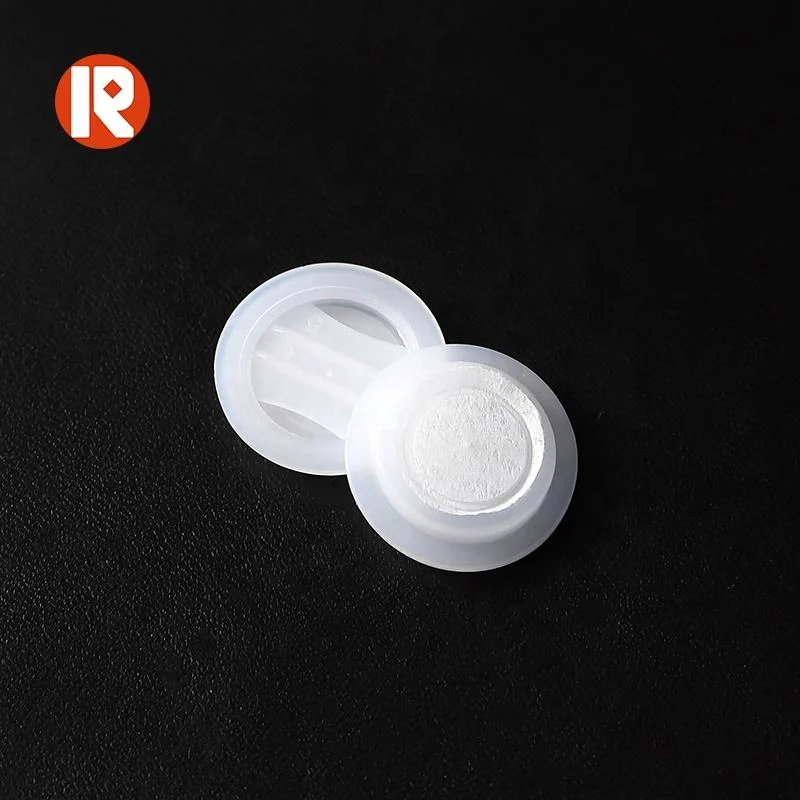
How to Test One-Way Coffee Valves for Defects
Testing should verify functional performance rather than simply confirm that the valve looks correct.
Opening Pressure Test
An opening-pressure test determines how much internal pressure is required to activate the valve.
Maintaining a controlled range helps ensure that different valves provide predictable CO₂ release performance after coffee packaging.
Leakage and Sealing Test
A coffee valve leakage test evaluates whether the valve maintains the required sealing performance while preventing unwanted air ingress.
Testing should be conducted according to defined acceptance criteria so that defective units can be identified before shipment.
Airflow and Degassing Performance Test
Opening pressure alone does not fully describe valve performance. The valve must also provide sufficient gas-release capability.
Airflow or degassing testing can help determine whether the valve can effectively release CO₂ generated by roasted coffee.
Attachment Strength Test
For valves installed onto coffee pouches, the attachment area should also be tested.
The objective is to verify that the valve remains securely connected to the packaging during filling, handling, transportation, and consumer use.
Dimensional Inspection
Critical dimensions should be inspected to identify component variation that could later affect assembly, opening pressure, or sealing.
Dimensional control is particularly important when valves are manufactured in large quantities.
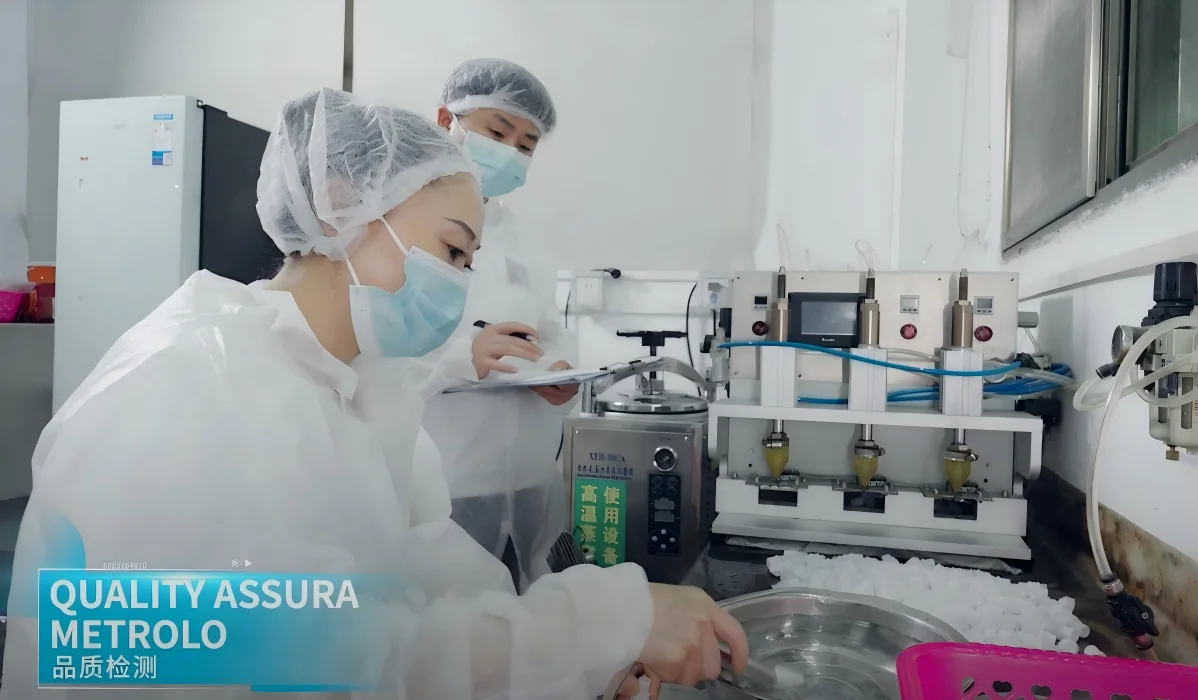
How Coffee Brands and Flexible Packaging Factories Can Prevent Valve Defects
Defect prevention should begin before mass production rather than after problems appear in finished coffee bags.
Define Valve Requirements Before Production
Coffee brands and flexible packaging factories should establish the key valve specifications before placing a bulk order, including:
- Opening pressure
- Leakage requirements
- Degassing performance
- Valve dimensions
- Attachment method
Clear specifications give the coffee valve supplier measurable production targets instead of relying on subjective approval.
Test the Valve With the Actual Coffee Packaging
Testing the valve independently is not enough.
The complete system should be evaluated:
Coffee + Valve + Coffee Bag + Packaging Process
The actual pouch film, valve attachment method, coffee product, filling process, and transportation conditions can all influence final performance.
This is particularly important when a brand introduces a new pouch structure or changes its packaging supplier.
Establish Clear Batch Quality Standards
For long-term production, brands and flexible packaging manufacturers should define acceptance criteria for opening pressure, leakage, dimensions, attachment strength, and performance consistency.
This makes it easier to identify production deviations before they become large-scale packaging problems.
Communicate Changes Before Mass Production
Changes to the coffee product or packaging process can affect valve requirements.
For example, changes in coffee roasting characteristics, pouch material, pouch structure, filling process, or sealing conditions may require the valve specification or attachment process to be reassessed.
Early communication between the brand, flexible packaging factory, and valve manufacturer reduces the risk of discovering compatibility problems after mass production begins.
Conclusion
Most coffee valve defects are not caused by one isolated problem. Material properties, tooling accuracy, assembly, process control, testing, and compatibility with the coffee pouch can all influence final performance.
For reliable one-way coffee valve performance, defect prevention should therefore cover the complete process—from component selection and manufacturing to functional testing and packaging integration.
Sanrun supports coffee brands and flexible packaging manufacturers with valve development, manufacturing, quality control, and bulk production to help reduce leakage, inconsistent degassing, and other common valve performance problems.
About Sanrun

Sanrun is a factory-direct coffee valve manufacturer specializing in one-way degassing valves for coffee packaging. We combine controlled manufacturing, functional testing, and direct communication to deliver consistent valve performance for different coffee pouch applications.
🔧 Custom Coffee Valve Solutions
- Custom valve specifications
- Packaging compatibility support
- Sample development
- OEM/ODM solutions
We work directly with coffee brands and flexible packaging manufacturers to develop valves based on their pouch structure, attachment method, and production requirements.
📦 Wholesale & Bulk Supply
- Large-volume production
- Stable batch consistency
- Factory-direct pricing
- Reliable bulk supply
For distributors, importers, and coffee packaging buyers, we provide consistent wholesale coffee valves for long-term purchasing and high-volume applications.
🤝 Customer-Focused Service
- Direct technical communication
- Fast response
- Quality-focused production
- Long-term cooperation
From initial samples to mass production, we focus on understanding customer requirements, solving manufacturing issues, and providing reliable support throughout the project.