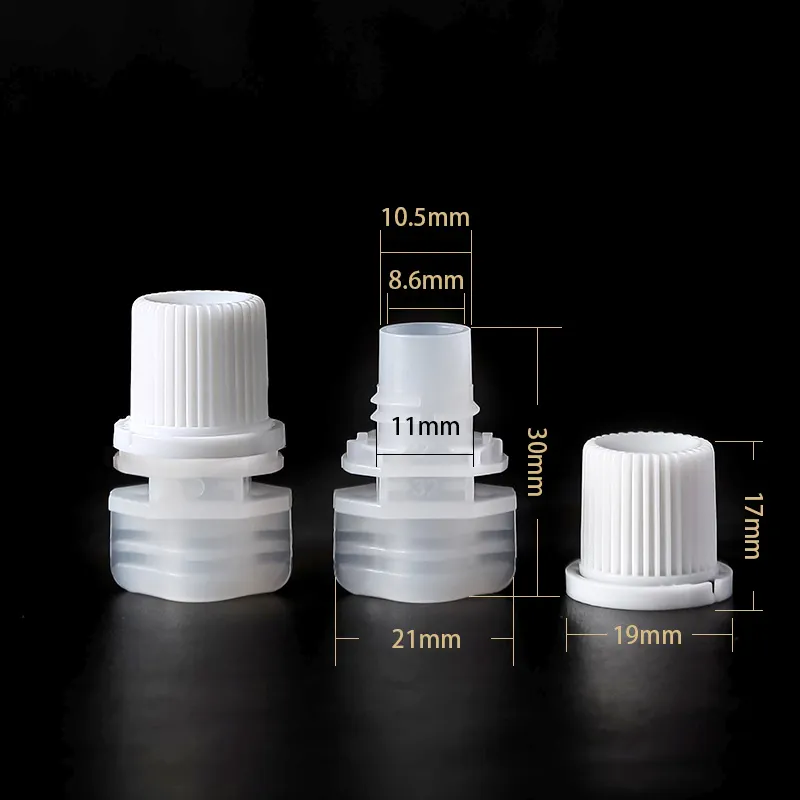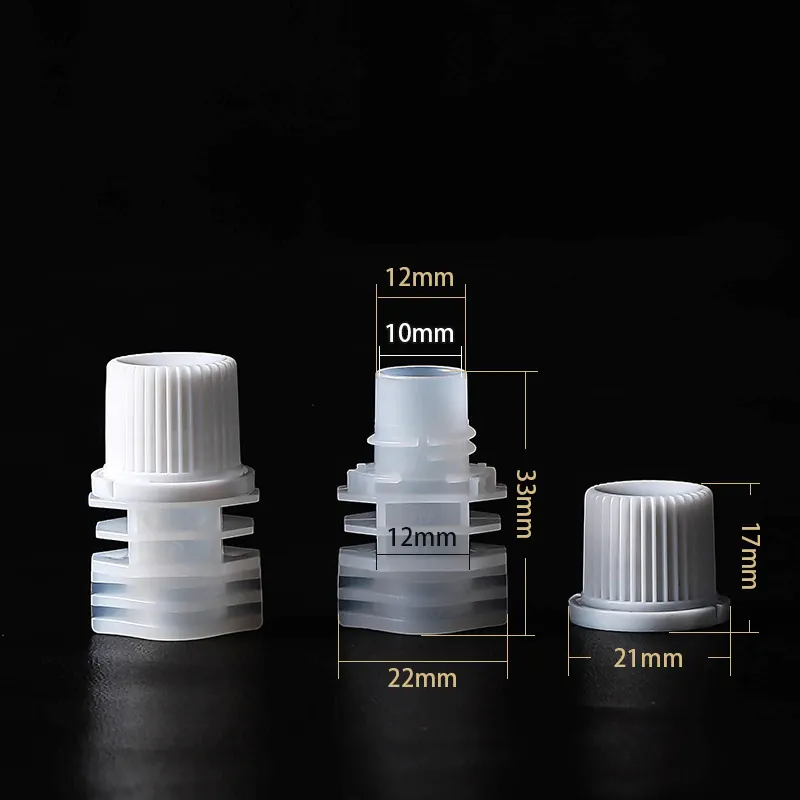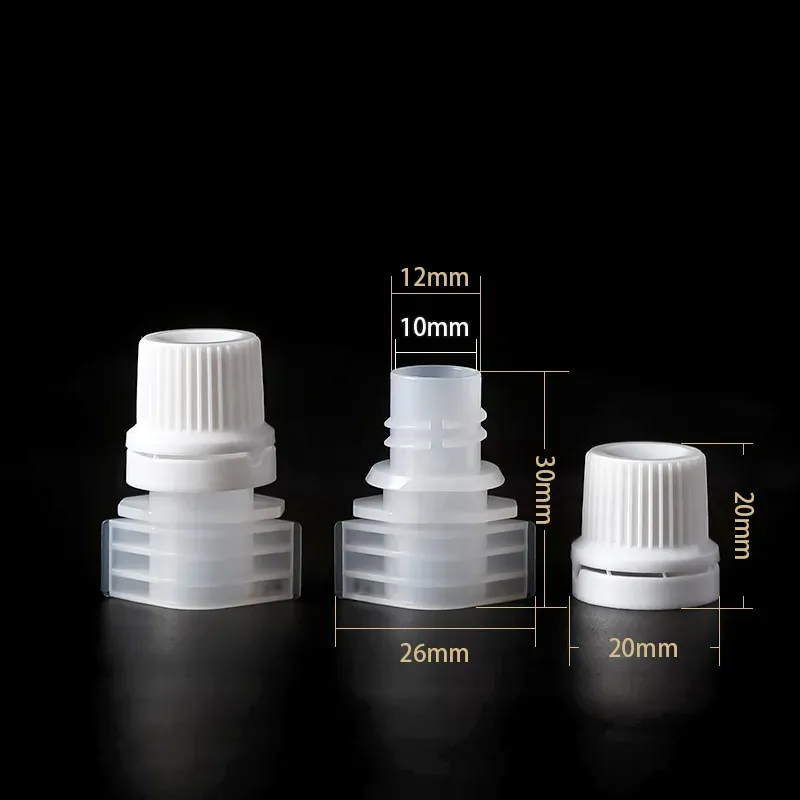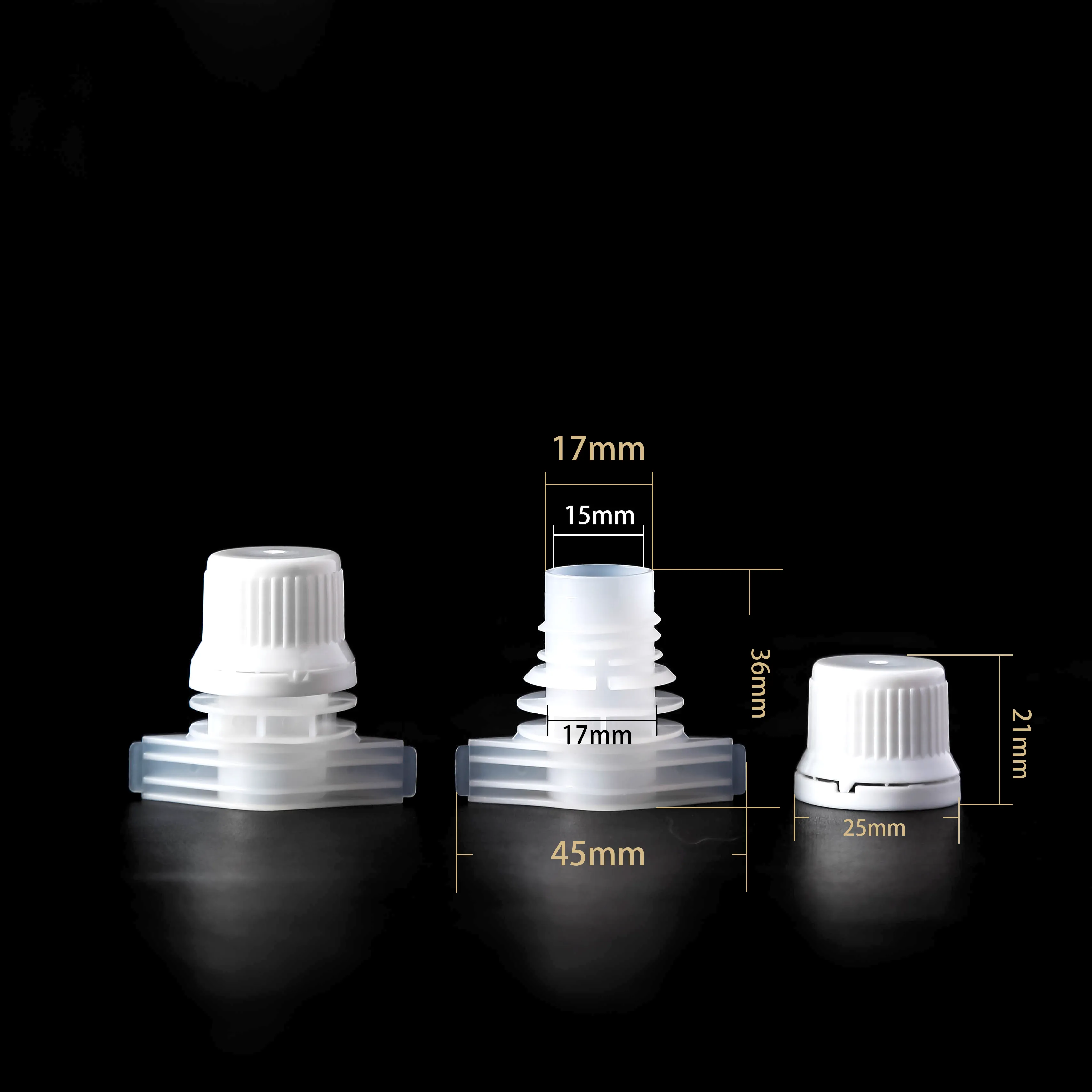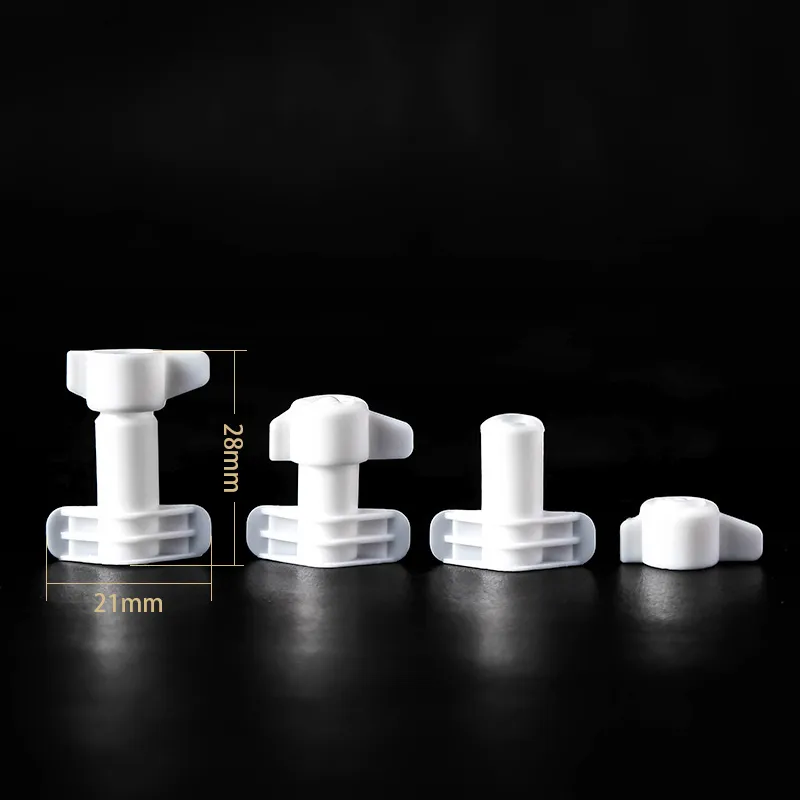







Spout cap leakage is one of the most frequent failure points in flexible packaging systems. For spouted pouch manufacturers, even a small sealing defect can result in product loss, shipment complaints, and long-term damage to brand credibility.
In most cases, leakage is not caused by a single factor. It is the result of accumulated issues across design, materials, tooling precision, sealing compatibility, and filling line control. Understanding these root causes is essential for reducing risk at the sourcing and engineering stage.
Why Spout Cap Leakage Is a Critical Issue in Flexible Packaging
Product Loss and Cost Impact
Leakage directly reduces usable product volume. In large-scale distribution, even a small defect rate can translate into significant financial loss and returns.
Brand Reputation Damage
Consumers rarely distinguish between pouch, spout, or cap failures—they experience it as a failed product. Leakage immediately reduces trust and repeat purchase probability.
Transportation and Warehouse Risks
Leaking products contaminate cartons, damage adjacent goods, and increase logistics handling costs. In export markets, this risk is amplified due to long transit cycles.
Cause 1 – Poor Thread Design Accuracy
Thread geometry is one of the most critical sealing elements in a spout cap system.
Incorrect Pitch or Engagement Depth
If thread pitch or engagement depth is not precisely controlled, the cap cannot achieve full compression on the sealing surface, creating micro-gaps that lead to leakage.
Mismatch Between Cap and Spout Standards
Different factories often use non-standardized spout and cap systems. Even minor deviations in compatibility can cause inconsistent sealing behavior.
Supplier Capability Gap in Precision Tooling
Low-precision tooling results in unstable thread profiles across production batches. This is one of the most common hidden causes of leakage in low-cost sourcing.
Cause 2 – Inadequate Sealing Structure Design
Even with correct threads, sealing failure can occur if the sealing system itself is weak.
Single Seal vs Multi-Seal Failure Risks
Single-contact sealing structures are more vulnerable under pressure changes. Multi-seal systems provide redundancy and significantly reduce leakage probability.
Poor Compression Surface Design
If the sealing surface is not evenly distributed, pressure concentration leads to deformation and eventual leakage paths.
Lack of Compatibility With Liquid Type
High-viscosity or chemically active liquids require more robust sealing structures. A generic design often fails under real-world conditions.
Cause 3 – Material Quality Problems
Material selection directly affects deformation resistance and long-term sealing stability.
Low-Grade PP/HDPE Instability
Inferior resins may lack structural stability, causing dimensional drift during storage or temperature variation.
Deformation Under Temperature or Pressure
During hot filling or long-distance transport, low-quality materials can expand or shrink, breaking sealing consistency.
Chemical Compatibility Issues
Certain formulations can weaken polymer structure over time, especially in detergents, cosmetics, or industrial liquids.
Cause 4 – Mold and Manufacturing Tolerance Issues
Even well-designed systems fail if production precision is not controlled.
Dimensional Variation Between Batches
Inconsistent mold performance leads to caps that look identical but behave differently in sealing performance.
Flash, Shrinkage, and Warping Defects
These defects directly interfere with thread engagement and sealing surface contact.
Lack of Precision Injection Capability
Without high-precision injection systems, maintaining tight tolerances at scale becomes impossible.
Cause 5 – Improper Torque Control During Filling
Spout cap sealing performance depends not only on design but also on application torque during capping.
Over-Tightening or Under-Tightening
Too little torque leads to incomplete sealing, while excessive torque may deform threads or sealing surfaces.
Automated Filling Line Mismatch
Different filling machines apply different torque curves. Without calibration, sealing consistency cannot be guaranteed.
Lack of Standardized Torque Testing
Without defined torque parameters, even good designs can fail in real production environments.
Cause 6 – Poor Compatibility With Pouch Structures
Spout caps do not function in isolation—they are part of a pouch system.
Spout Insertion Sealing Failure
Improper heat sealing between spout and film layers can create hidden leakage paths that appear only after filling.
Lamination Layer Mismatch
Different pouch materials expand and contract differently, affecting long-term sealing stability.
Heat Sealing Inconsistency
Inconsistent sealing temperature or pressure during pouch production reduces structural integrity around the spout area.
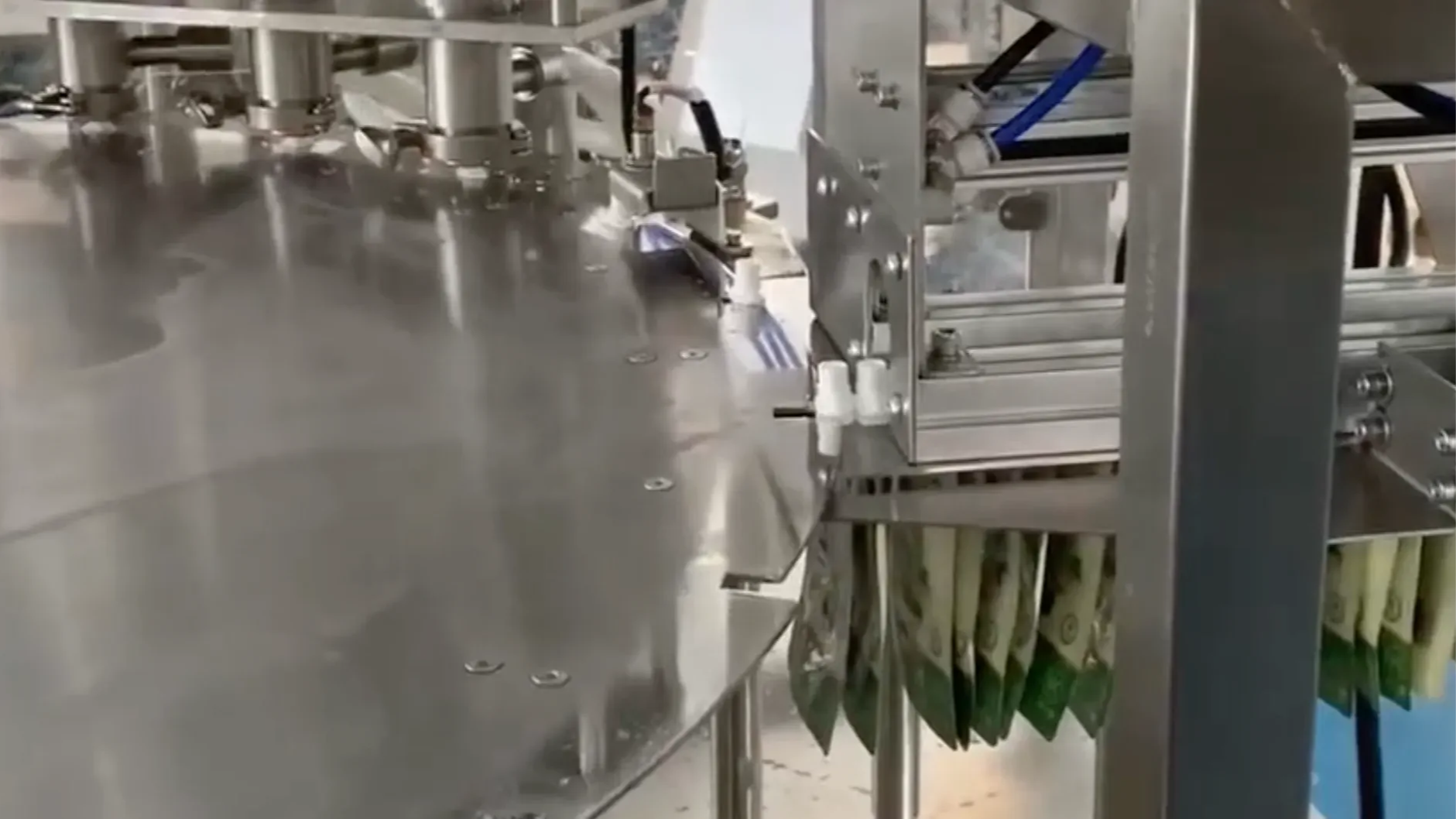
How Professional Spout Cap Manufacturers Prevent Leakage Issues
Leakage prevention requires system-level engineering, not isolated fixes.
Precision Mold Engineering
High-end manufacturers invest in tight-tolerance tooling to ensure consistent thread geometry and sealing accuracy across all production batches.
Multi-Layer Sealing System Design
Advanced designs use dual or multi-contact sealing structures to create redundancy against pressure and handling stress.
Material Optimization (PP / HDPE Selection)
Proper material selection ensures stability under temperature change, chemical exposure, and long-term storage conditions.
Full-Process Quality Control Testing
Leakage prevention is verified through systematic testing, including:
- Vacuum and pressure leak testing
- Torque measurement
- Dimensional inspection
- Drop and transport simulation tests

How Sanrun Eliminates Spout Cap Leakage Risks
At Sanrun, leakage control is not treated as a final inspection step—it is built into every stage of development and production.
Engineering-Driven Design Validation
We simulate sealing performance during the design stage to eliminate structural risk before tooling begins. This reduces downstream failure rates significantly.
Tight Tolerance Production System
Our injection molding process is controlled to maintain consistent dimensional accuracy across large production batches, ensuring stable thread engagement and sealing behavior.
Comprehensive Leak Testing System
Every batch undergoes pressure testing, torque verification, and dimensional inspection to ensure real-world performance under transport and filling conditions.
OEM/ODM Customization for Different Liquids
Different applications require different sealing strategies. We develop tailored solutions for beverages, sauces, detergents, cosmetics, and industrial liquids based on viscosity and usage conditions.
Stable Bulk Supply Capability
As a professional spout cap manufacturer, we support large-scale global orders with consistent production capacity, helping spout pouch manufacturers reduce supply chain risk and maintain stable output.
We also operate as a long-term custom spout cap manufacturer and wholesale spout cap supplier, supporting global partners with scalable OEM/ODM solutions.
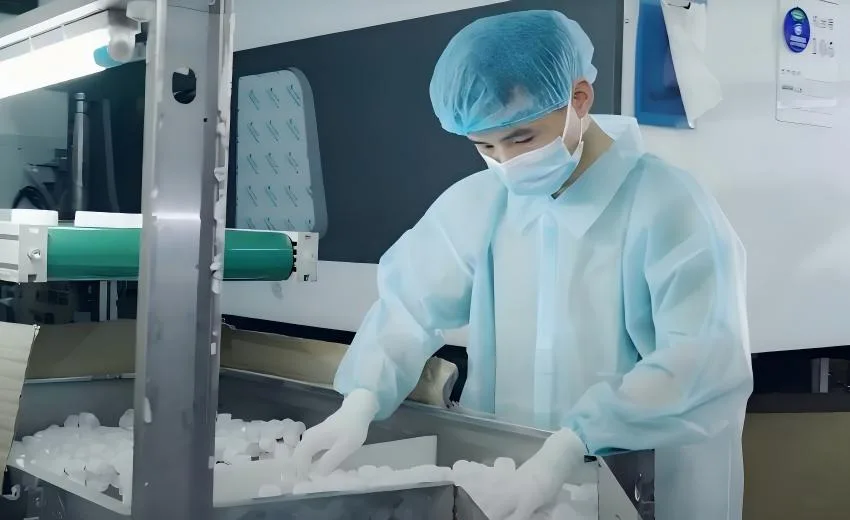
Key Takeaways for Spout Cap Buyers to Avoid Spout Pouch Leakage
- Leakage is a System Problem: It is caused by the interaction of design, material, tooling, and process—not a single defect.
- Engineering and Quality Control Must Work Together: Even good designs fail without strict manufacturing control and testing systems.
Conclusion
Spout cap leakage is not a single-point failure. It results from combined issues in design, materials, molding accuracy, torque control, and pouch compatibility.
For spouted pouch manufacturers, most risks come from supplier capability gaps, not isolated defects.
Preventing leakage requires system-level control—precise engineering, stable production, and strict testing.
Working with an experienced spout cap manufacturer reduces these risks and ensures consistent performance in real production conditions.
FAQ
How do you test spout caps for leakage?
Typical methods include vacuum testing, pressure testing, torque testing, and transport simulation tests.
Which material is better for leak-proof spout caps?
PP is widely used for general applications, while HDPE is preferred for higher impact resistance and chemical stability. From a spout cap manufacturer’s perspective, Sanrun recommends talking to your supplier about your products and making a customized solution for ultra-leakage-proof.
Can leakage be solved after production starts?
In most cases, no. Leakage is usually a design or tooling issue and must be corrected at the engineering stage. So sanrun is preffering to listen to the requirements from our clients before manufacturing.
How do I choose a reliable spout cap supplier?
Evaluate engineering capability, mold precision, QC systems, and experience with OEM/ODM liquid packaging solutions.