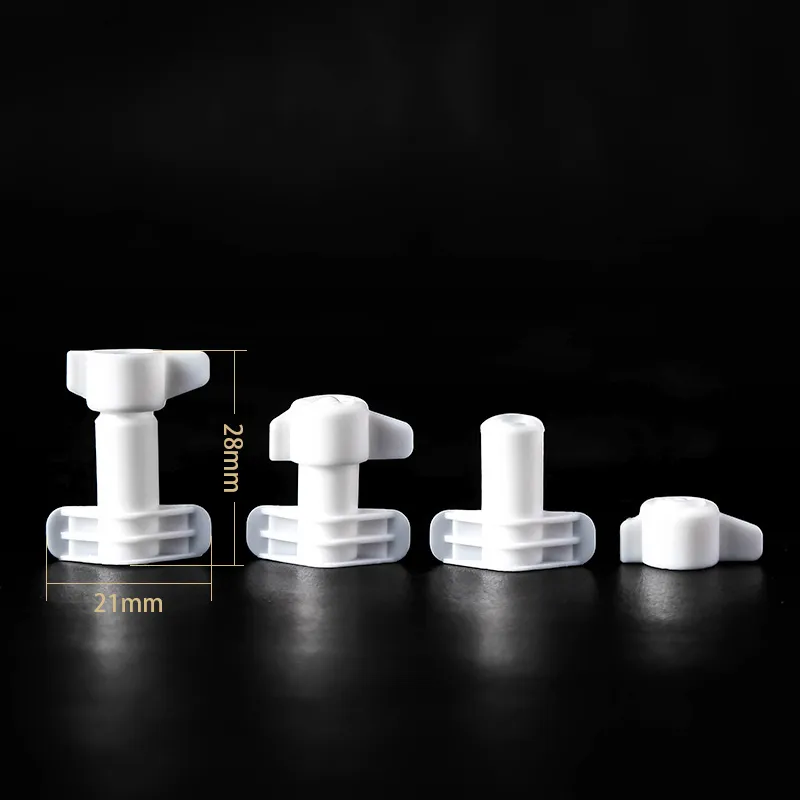







Selecting the correct spout cap size is a critical decision for manufacturers, brand owners, and distributors in the liquid packaging industry. The wrong cap can compromise product integrity, cause leakage, and negatively affect user experience. For bulk buyers and wholesalers, choosing the right spout cap ensures efficient production, minimizes waste, and supports global distribution compliance.
As a trusted spout cap manufacturer, we provide guidance on spout cap selection while offering OEM and custom solutions that meet diverse industry needs.
Understanding Spout Cap Sizes
Standard Spout Cap Sizes
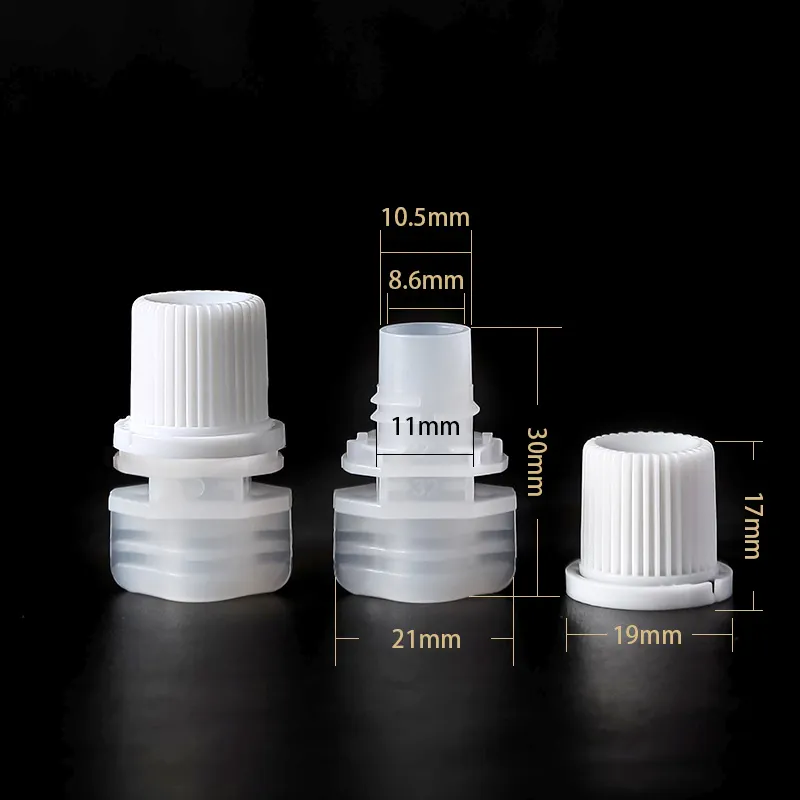
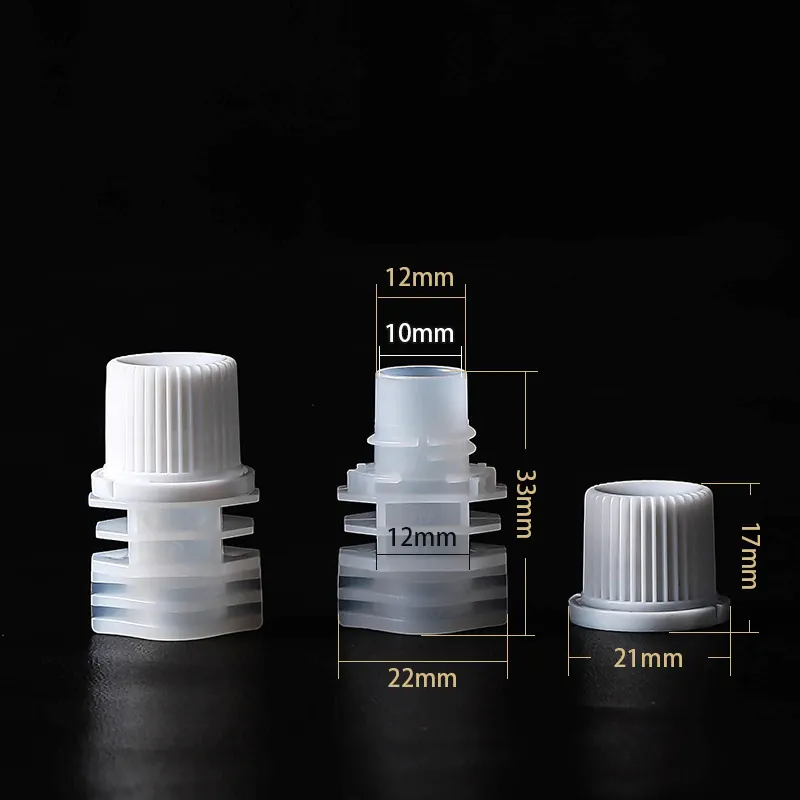
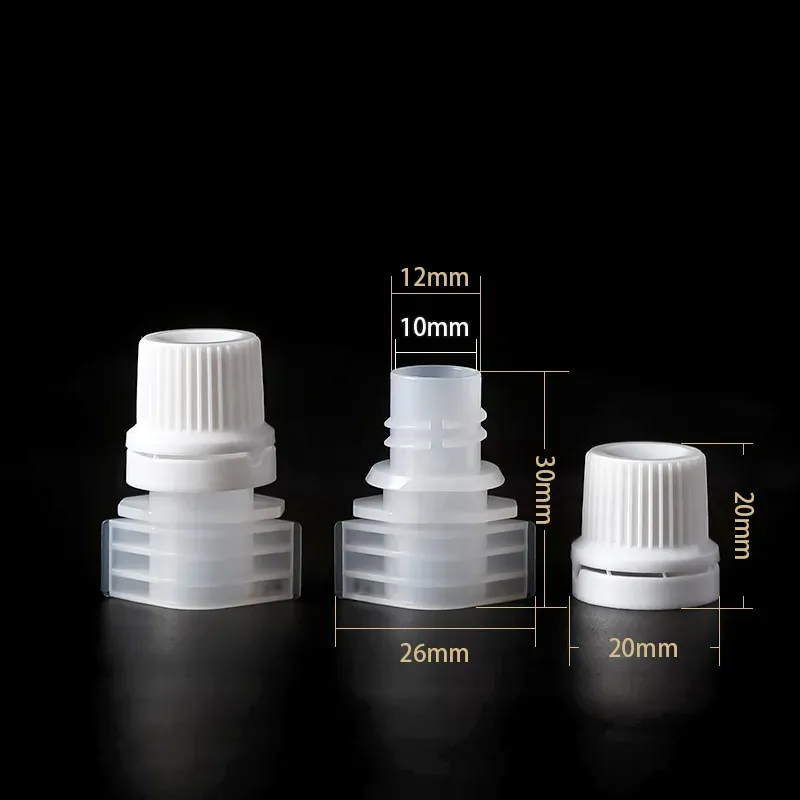
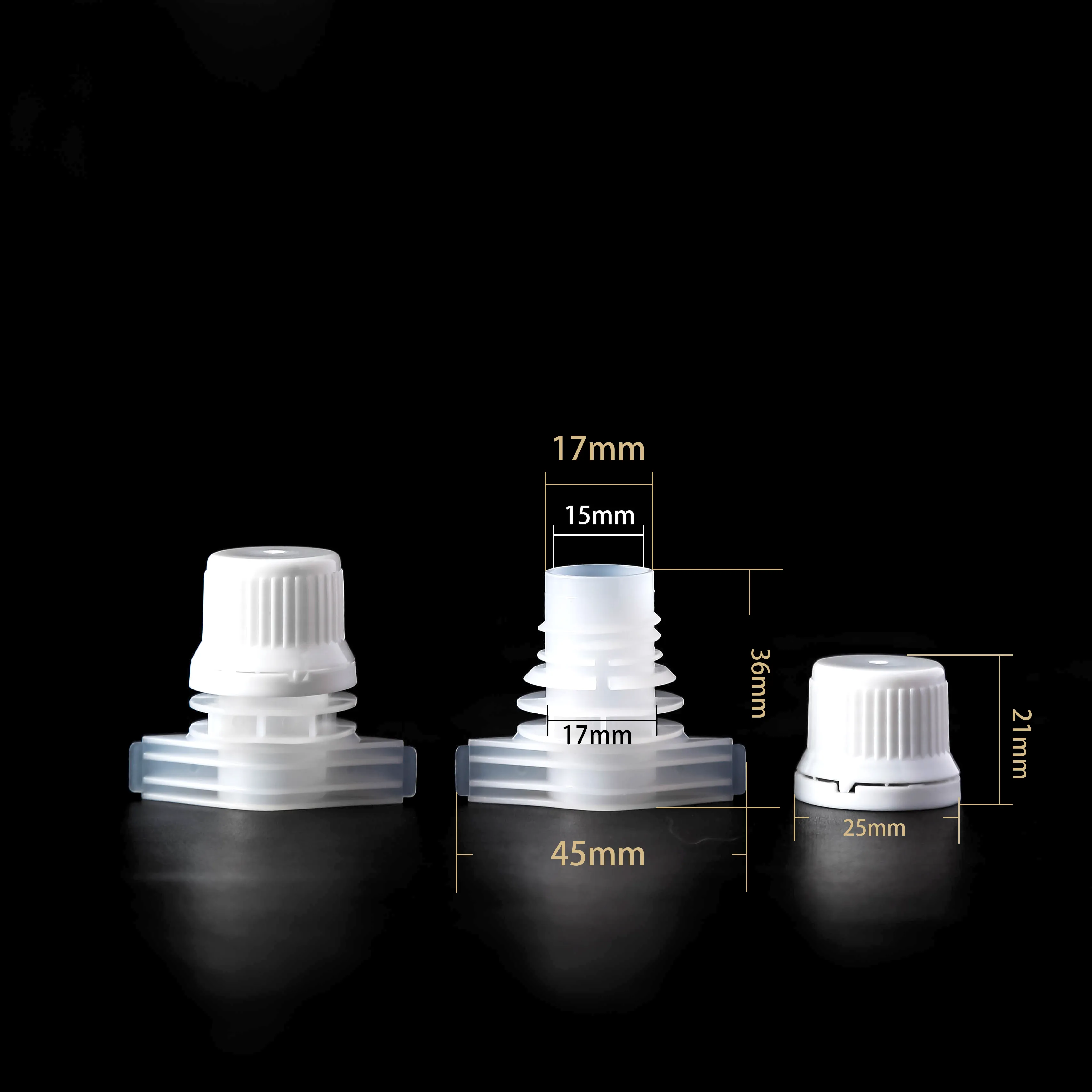
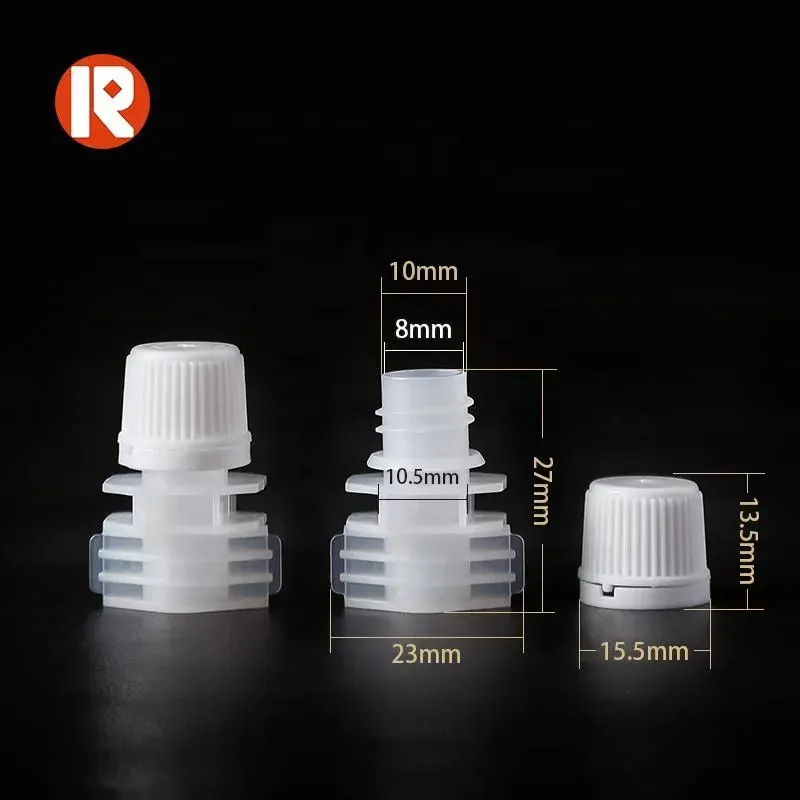
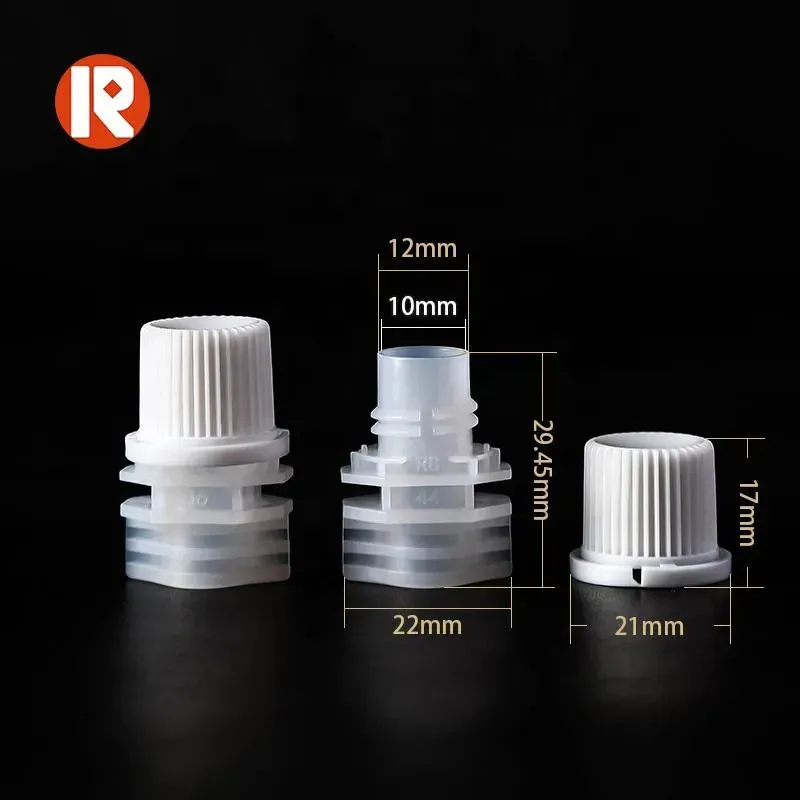
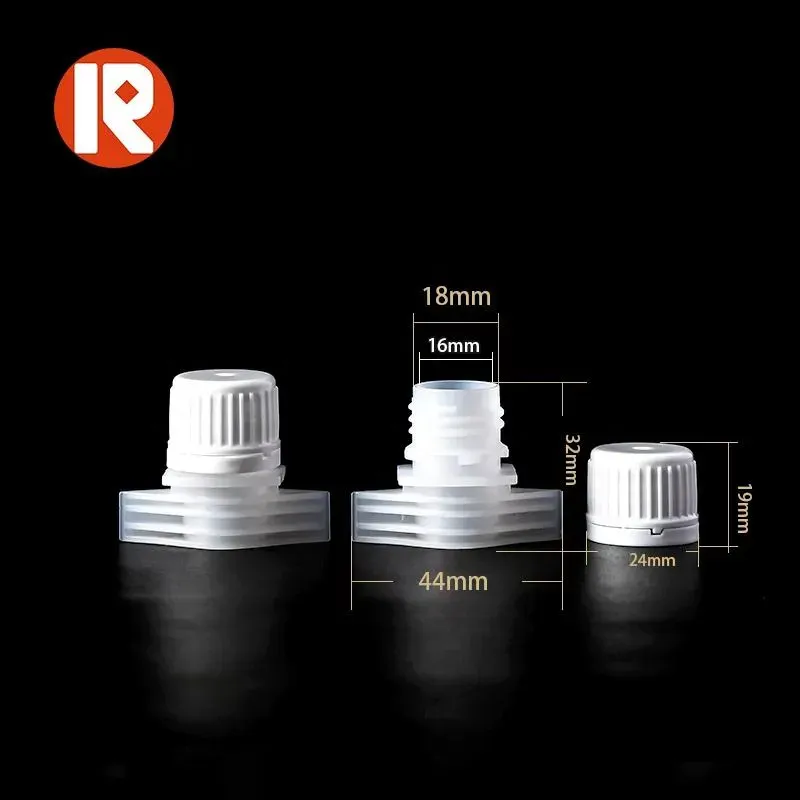
Spout caps are available in multiple standard diameters, each designed to meet specific product requirements:
- 8mm: Typically used for clear, low-viscosity liquids like water or light juices.
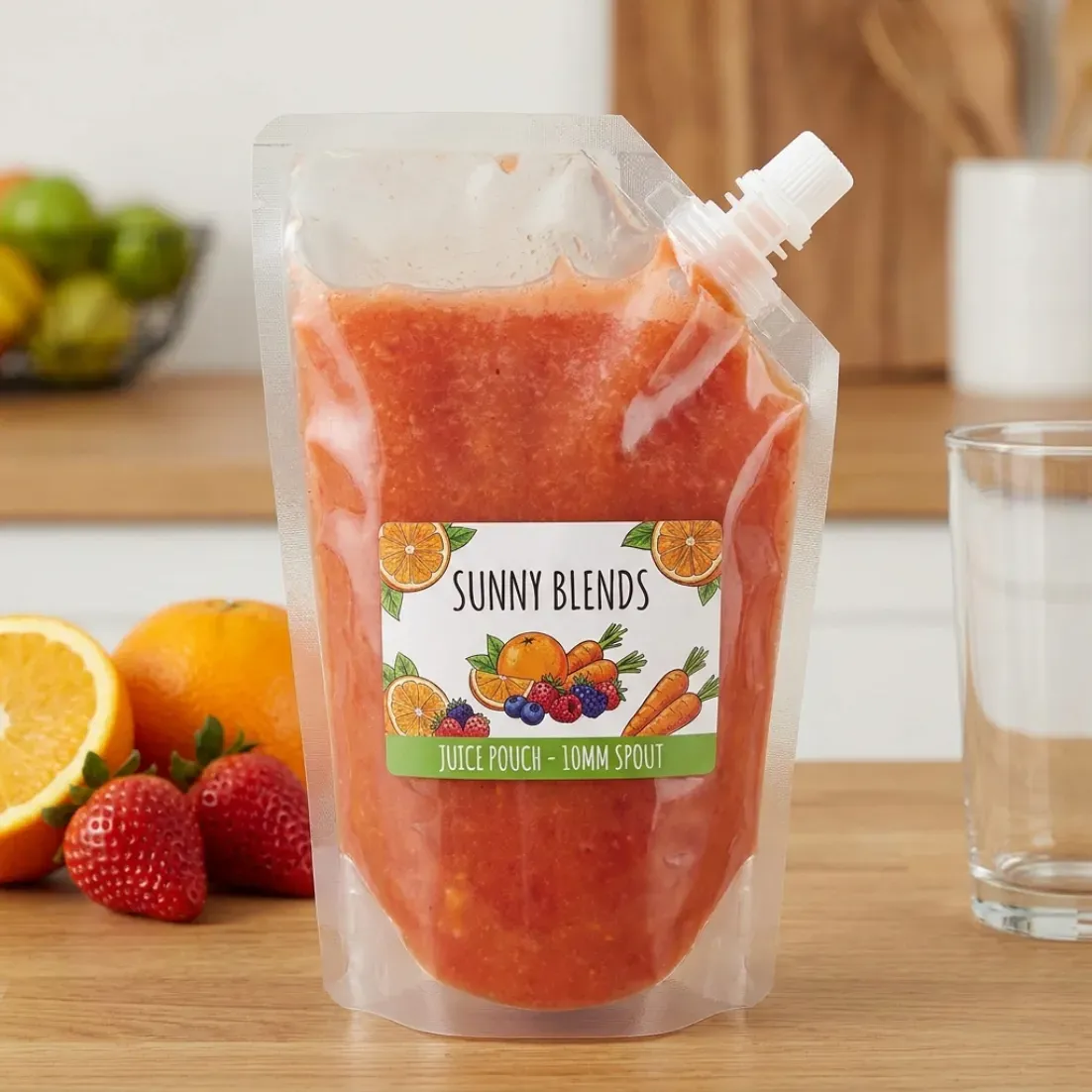
- 10mm: Suitable for slightly thicker beverages or pulp juices.
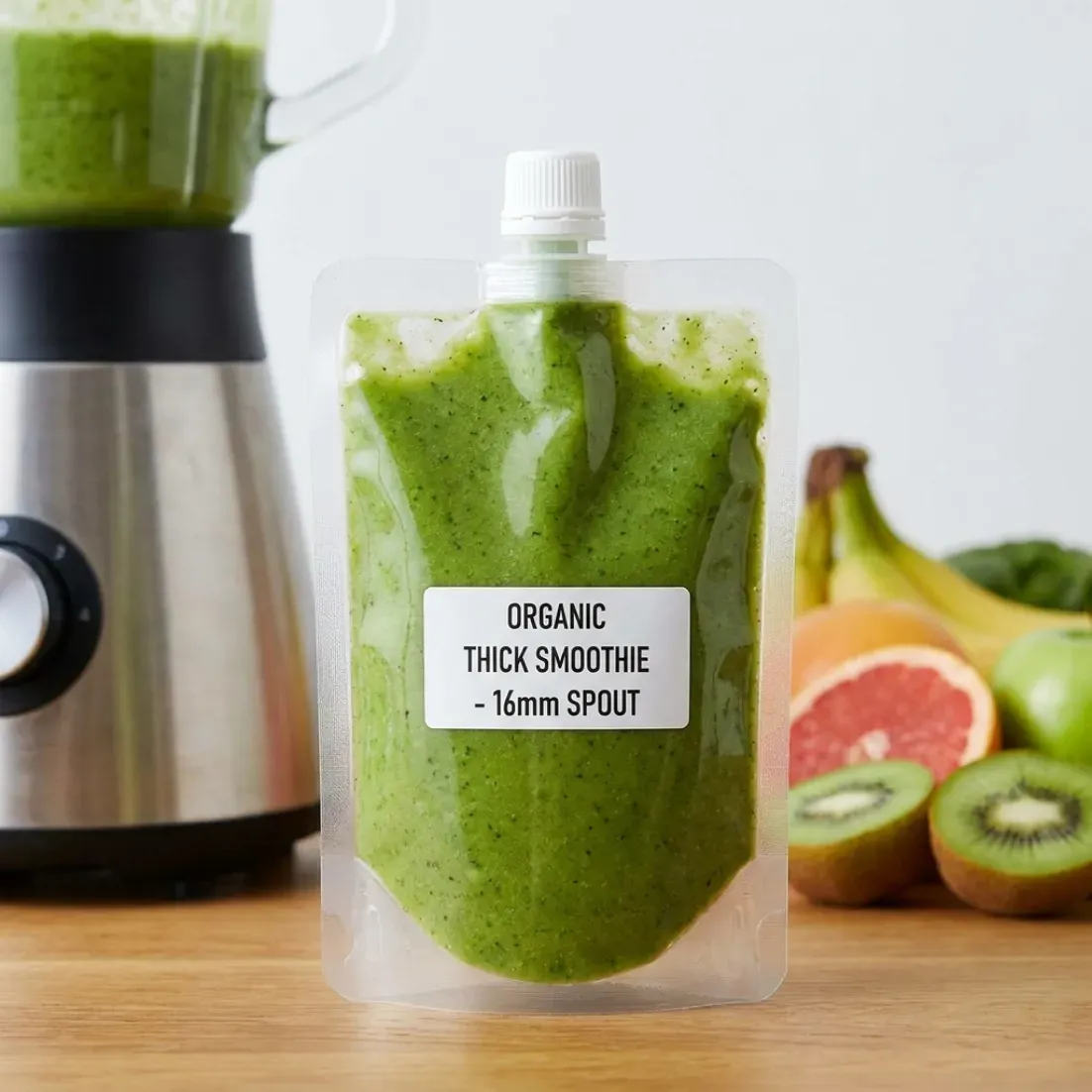
- 16mm: Designed for smoothies, purees, and other high-viscosity liquids.
Selecting the appropriate diameter affects flow rate, consumer convenience, and packaging efficiency.
How Diameter Affects Flow and User Experience
The spout cap diameter directly determines how easily a product is dispensed. Smaller diameters reduce spills but may frustrate users with thicker liquids. Larger diameters allow faster pouring but risk leakage if the product is thin or carbonated. Optimizing this balance is crucial for customer satisfaction and repeat purchases.
Material Compatibility and Sealing Requirements
Spout caps are manufactured from materials such as HDPE, PP, or PET, each offering different chemical resistances and sealing properties. Choosing the right material ensures that juices, dairy, or oils do not interact with the cap, preserving flavor, color, and shelf life.
Selecting the Right Cap for Different Products
Clear Juices and Water-Based Drinks
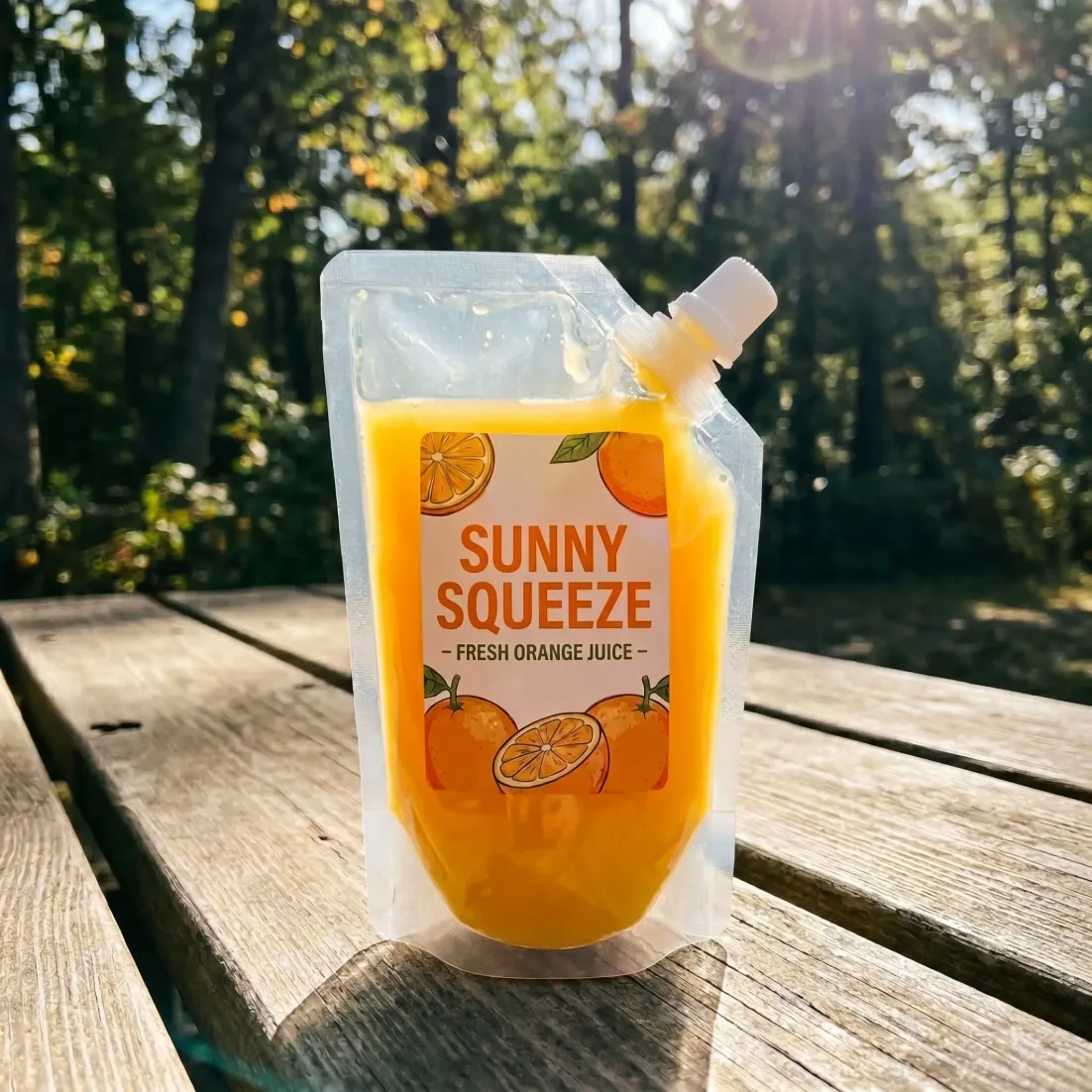
Clear juices require small-to-medium diameter caps, typically 8–10mm. The low viscosity ensures smooth flow without requiring excessive opening force. This size also minimizes leakage risks during transportation and retail handling.
Pulp Juices and Fruit Blends
For beverages containing pulp, slightly larger diameters (10–16mm) are preferred. This allows thicker particles to pass through without clogging the spout. Precision in cap sizing ensures consistent portioning and maintains user satisfaction.
Thick Smoothies and Purees
High-viscosity products like smoothies demand wider caps (16mm or larger). Using a smaller cap can cause product blockage, leading to consumer frustration and potential complaints. Proper sizing also supports automated filling lines by reducing production bottlenecks.
Considerations for Dairy, Liquid Supplements, and Oils
Different liquids have distinct chemical and viscosity profiles. Dairy products require caps that prevent oxidation and bacterial contamination. Oils need materials resistant to absorption and leakage. Partnering with a reliable custom spout cap manufacturer ensures that caps are tailored to specific product requirements.
Technical Considerations for Manufacturers and Brands
Bottle/Pouch Neck Dimensions and Tolerances
The spout cap must match the neck size of the container precisely. Misalignment can cause leaks, deformation, or production delays. Standard tolerances must be observed to maintain consistency across large production batches.
Filling Line Compatibility and Automation
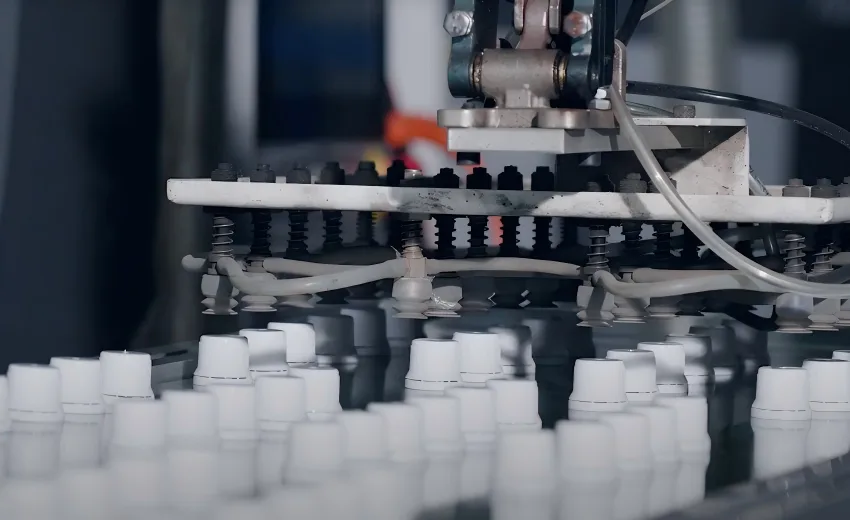
Automated filling lines require spout caps that align with machinery specifications. The cap diameter affects nozzle fitting, capping speed, and torque settings. Working with an experienced wholesale spout cap manufacturer that understands these technical requirements prevents downtime and production inefficiencies.
Quality Control and Leak Prevention
Reliable spout caps are designed with high-quality seals and tested for leaks under varying pressure conditions. Implementing rigorous QC protocols reduces returns and ensures that your product meets market expectations.
Regulatory and Export Compliance
Exporting liquid products demands adherence to international packaging standards. Caps must comply with food safety regulations, material certifications, and transportation guidelines. Engaging a reputable spout cap manufacturer simplifies compliance and mitigates legal risks.
How to Source Spout Caps from Reliable Suppliers
Working with a Trusted Supplier
Partnering with an experienced spout cap supplier ensures consistent quality, scalable production, and adherence to international standards. Reliable suppliers provide technical support, sample testing, and ongoing consultation.
OEM vs. Standard Spout Caps
Standard caps suit general applications, while OEM or custom caps address unique production or branding needs. Customization can include tamper-evident designs, childproof mechanisms, or specialized sealing rings.
Bulk Order Considerations for Global Distribution
For importers and distributors, sourcing caps in bulk from a capable wholesale spout cap supplier reduces lead times, ensures uniformity, and supports large-scale shipping requirements. Long-term partnerships can also facilitate cost efficiencies and streamlined logistics.
FAQs
What spout cap size is best for smoothies?
Smoothies and other thick liquids typically require 16mm or larger spout caps to ensure smooth dispensing without clogging.
Can I use the same cap size for pulp juice and clear juice?
It is possible, but pulp juices may require slightly larger diameters (10–16mm) to prevent blockage. Clear juices often work with smaller 8–10mm caps.
How do I measure my pouch or bottle for a spout cap?
Measure the neck diameter and height precisely, accounting for tolerances. Consult your custom spout cap manufacturer for verification against standard spout sizes.
Are custom spout caps available for bulk orders?
Yes, manufacturers offer OEM customization for cap diameter, material, color, and sealing features to meet specific branding or functional requirements.
How do spout cap materials affect shelf life?
Material choice impacts chemical resistance, flavor preservation, and sealing efficiency. High-density plastics like HDPE or PP maintain integrity and prevent leaks over time.
Conclusion
Choosing the right spout cap size is a multi-faceted decision that balances product viscosity, container compatibility, user experience, and manufacturing efficiency. By considering technical specifications, regulatory compliance, and practical usability, brands can protect product quality and enhance customer satisfaction.
Partnering with a professional spout cap manufacturer ensures access to high-quality spout caps, customization options, and scalable production for global markets. Proper selection and sourcing of spout caps is not just a packaging decision—it is a strategic investment in brand reputation, operational efficiency, and consumer trust.
About Sanrun – Leading Experienced Spout Cap Manufacturer
We are an experienced spout cap manufacturer specializing in high-volume, factory-direct production for B2B clients worldwide. With years of expertise in screw-on spout caps, we ensure stable, leak-proof, and food-safe solutions for beverages, dairy, liquid supplements, and viscous products.
Committed to serving our customers, we offer OEM spout caps and custom spout cap options, including tailored diameters, materials, tamper-evident designs, and flow-control features. Our advanced manufacturing, strict quality control, and scalable production capacity support bulk orders and global distribution. By partnering with us, brands gain reliable, fully tested spout caps that optimize production efficiency, protect product integrity, and enhance consumer satisfaction.